Agile Project Management Essentials
Introduction to Agile
A New Way of Working
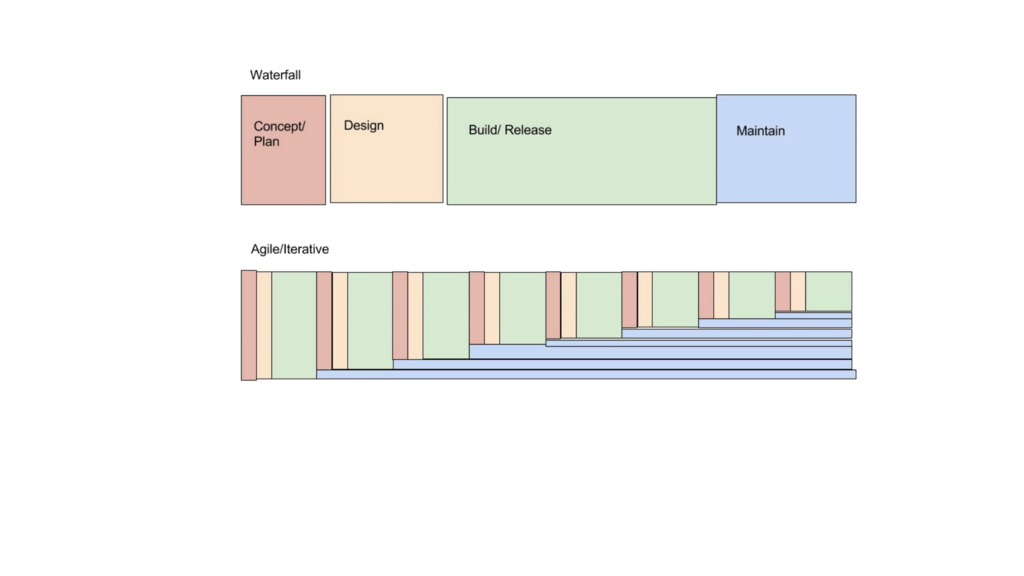
Traditional project management is a lot like a relay race. One person completes their part and hands the baton to the next, who does their part, and so on. It's a linear, predictable process. But what happens if the finish line moves? Or if the track suddenly changes?
Agile is a different approach. It’s more like a soccer game. The whole team moves together down the field, passing the ball back and forth, and constantly adapting their strategy based on what the other team is doing. It's an iterative approach that values flexibility, collaboration, and responding to change.
Agile is an iterative approach to software development and project management that emphasizes incremental delivery, collaboration, and continuous improvement.
This philosophy was formalized in 2001 when a group of software developers created the Agile Manifesto. They wanted a better way to build software that could keep up with a fast-changing world. The manifesto isn't a strict rulebook; it's a statement of values and principles that guide the Agile mindset.
The Four Core Values
The Agile Manifesto is built on four core values. These aren't about rejecting the items on the right, but about prioritizing the items on the left.
| We Value... | Over... |
|---|---|
| Individuals and interactions | Processes and tools |
| Working software | Comprehensive documentation |
| Customer collaboration | Contract negotiation |
| Responding to change | Following a plan |
Let's break these down.
Individuals and interactions over processes and tools: A great team communicating well will always outperform a mediocre team with the best tools but poor communication. Agile believes that the best ideas come from conversations between talented people, not from rigid procedures.
Working software over comprehensive documentation: The main goal is to create a product that works and delivers value. While documentation has its place, it should never become more important than the product itself. Agile teams aim to produce tangible results, not just stacks of paperwork.
Customer collaboration over contract negotiation: Instead of finalizing every detail in a contract at the start, Agile encourages continuous collaboration with the customer. This partnership ensures the final product is what the customer actually needs, not just what was written down months ago.
Responding to change over following a plan: A project plan is a great starting point, but it's not set in stone. Market conditions, user feedback, and new ideas can all change a project's direction. Agile embraces this, allowing teams to pivot and adapt without being locked into an outdated plan.
The Twelve Guiding Principles
Supporting these four values are twelve principles. They provide more specific guidance on how to put the Agile mindset into practice. You don't need to memorize them all, but understanding their themes is key. They boil down to a few core ideas.
Deliver value to the customer, early and often. The top priority is to satisfy the customer by delivering working, valuable software frequently. This keeps them engaged and provides a constant stream of feedback.
Another key theme is empowering the team. Agile principles promote giving teams the environment and support they need and then trusting them to get the job done. This includes fostering face-to-face conversations as the most effective way to communicate and building projects around motivated individuals. It also means working at a sustainable pace to avoid burnout.
Embrace change and simplicity. Agile teams welcome changing requirements, even late in a project. The goal is to harness change for the customer's competitive advantage. This is paired with a focus on simplicity—the art of maximizing the amount of work not done. It’s about doing just enough to solve the problem at hand.
Finally, the principles emphasize continuous improvement. Teams should regularly reflect on how to become more effective, then tune and adjust their behavior accordingly. Technical excellence and good design are not afterthoughts; they are crucial for maintaining agility over the long term. A well-crafted product is easier to change and adapt.
Now that you understand the core philosophy of Agile, let's test your knowledge.
The Agile Manifesto values 'Working software over comprehensive documentation'. What does this mean in practice?
Which of the following scenarios best demonstrates the Agile value of 'Responding to change over following a plan'?
The Agile Manifesto provides a foundation. In the next section, we'll explore specific frameworks, like Scrum and Kanban, that put these values and principles into action.