Agentive AI Explained
Introduction to Agentive AI
Beyond Answering Questions
Most of us know AI as a conversational partner. We give it a prompt, and it gives us an answer. It can write an email, summarize a document, or generate a picture. But this model is fundamentally reactive. The AI waits for our instructions and executes them one at a time. It's a powerful tool, but it's still just a tool that we have to guide at every step.
A new kind of AI is emerging, one that does more than just respond. It can take a goal, create a plan, and carry out complex tasks on its own. This is the world of agentive AI.
agency
noun
The capacity of an actor to act independently and to make their own free choices.
Agentive AI, sometimes called AI agents, are systems that possess this quality of agency. They don't just process commands; they pursue goals.
Agentic AI is a branch of artificial intelligence focused on building autonomous, intelligent agents capable of making decisions, interacting with other agents and completing complex tasks with minimal human intervention.
Think of the difference between using a calculator and hiring a personal accountant. A calculator is a reactive tool. You input numbers and an operation (like + or −), and it gives you the result. It does exactly what you tell it to, and nothing more.
An accountant, on the other hand, is an agent. You give them a goal, like "minimize my taxes" or "plan my retirement savings." They don't wait for you to provide every single formula. They create a strategy, gather the necessary documents, perform calculations, and make decisions to achieve the desired outcome. Agentive AI aims to be more like the accountant than the calculator.
Why This Shift Matters
The move toward agentive AI is significant because it unlocks the ability to tackle much more complex problems. Instead of breaking down a large task into dozens of small prompts for a chatbot, a user can hand off the entire goal to an AI agent.
For example, instead of asking an AI to "list five top-rated Italian restaurants near me," then asking it to "check which of these have reservations available for Saturday at 7 PM," and then asking it to "draft an email to my friends with the best option," you could simply tell an AI agent: "Book a dinner for four at a great Italian restaurant this Saturday night and invite my friends."
The agent would then autonomously search for restaurants, check for availability, interact with a booking system, and access your contacts to send invitations. It plans, acts, and adapts until the goal is complete.
This evolution marks a change in our relationship with AI. We are moving from being operators of a tool to collaborators with a partner.
This capability transforms AI from a content generator into a genuine problem-solver and task-doer. It's the difference between an AI that can describe how to fix a leaky faucet and an AI that can diagnose the problem, order the right parts online, and schedule a plumber.
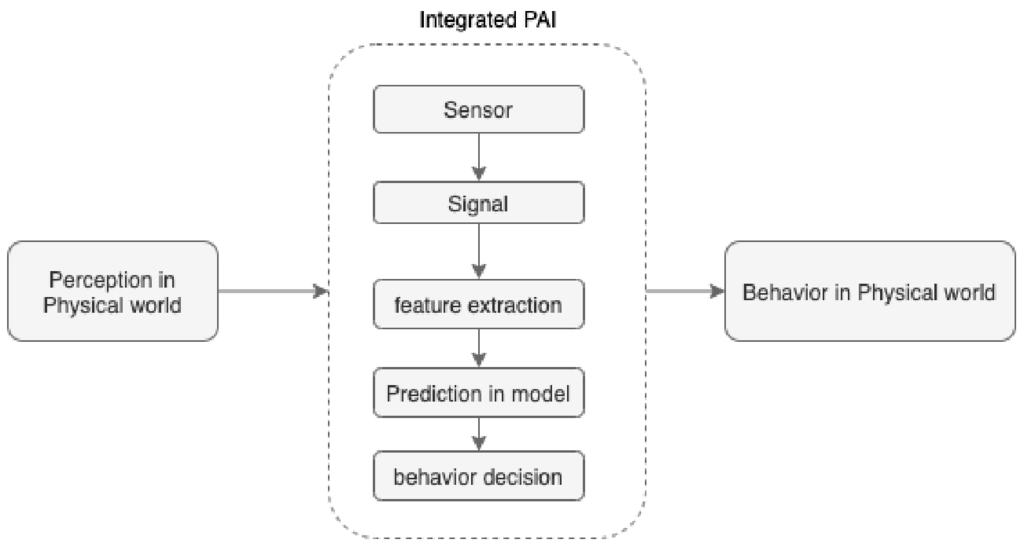
By empowering AI with the ability to act on its own, we are paving the way for systems that can manage complex logistics, conduct scientific research, and provide highly personalized assistance. Understanding this core concept is the first step toward grasping the future of artificial intelligence.