Agentic Orchestration Explained
Introduction to Agentic Orchestration
From Responding to Reasoning
For a long time, artificial intelligence has been very good at responding. You ask a question, and a large language model gives you an answer. You give it a task, and it completes that specific task. This is incredibly useful, but it’s fundamentally reactive. The AI waits for your instructions.
A new paradigm is emerging, one where AI moves from simply responding to proactively reasoning and acting. This is the world of agentic AI. Instead of just being a tool that answers prompts, an agentic system can pursue goals on its own. It can break down a complex objective into smaller steps, figure out how to complete those steps, and then execute them with minimal human guidance.
Agentic AI represents a fundamental paradigm shift in artificial intelligence, moving from passive, prompt-driven systems to autonomous, goal-oriented agents that can plan, learn, and execute complex tasks with minimal human intervention.
Think of it like the difference between a research assistant who only pulls the articles you ask for and one who understands your research goal, finds relevant articles, summarizes them, and points out connections you might have missed. The first is a helpful tool; the second is a collaborator. Agentic AI aims to create these AI collaborators. They possess a degree of autonomy that allows them to plan, adapt, and act in the world to get things done.
The Power of Teamwork
A single, highly capable agent is powerful, but many complex problems are too big for any one individual to solve. Just as in human endeavors, teamwork is often the key to success. This is where the concept of orchestration comes in.
Agentic orchestration is the art and science of coordinating multiple specialized AI agents to work together towards a common goal. Instead of building one massive, all-knowing AI, we can create a team of experts. One agent might be a brilliant researcher, another an expert coder, and a third a skilled communicator. On their own, they are limited to their specialty. Together, they can achieve much more.
Orchestration turns a collection of individual AI agents into a cohesive, goal-driven system. It’s the difference between a group of solo musicians playing their own tunes and an orchestra playing a symphony.
An orchestrator acts like a project manager or a conductor. It understands the main objective, breaks it down into sub-tasks, and assigns those tasks to the best agent for the job. It manages the flow of information between agents, ensuring that the researcher’s findings are passed to the coder, and the coder’s output is given to the communicator to present.
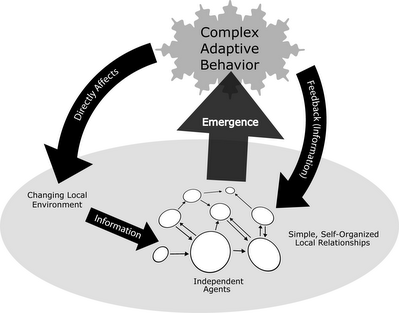
This collaborative approach allows for greater flexibility and power. By combining the strengths of various specialized agents, an orchestrated system can tackle multifaceted problems that would be difficult for a single AI to handle. This principle of multi-agent collaboration is what makes agentic AI truly transformative.
A Natural Evolution
The move toward agentic systems isn't a sudden leap but a natural evolution in the field of AI. Early AI focused on narrow tasks, like playing chess or identifying images. Then came large language models, which showed an incredible ability to understand and generate human-like text, making them general-purpose tools.
The next logical step is to give these powerful models the ability to act on their understanding. Why just generate a travel plan when you can also book the flights and hotel? Why just write code when you can also test and deploy it? Agentic capabilities are the bridge between AI's knowledge and real-world action.
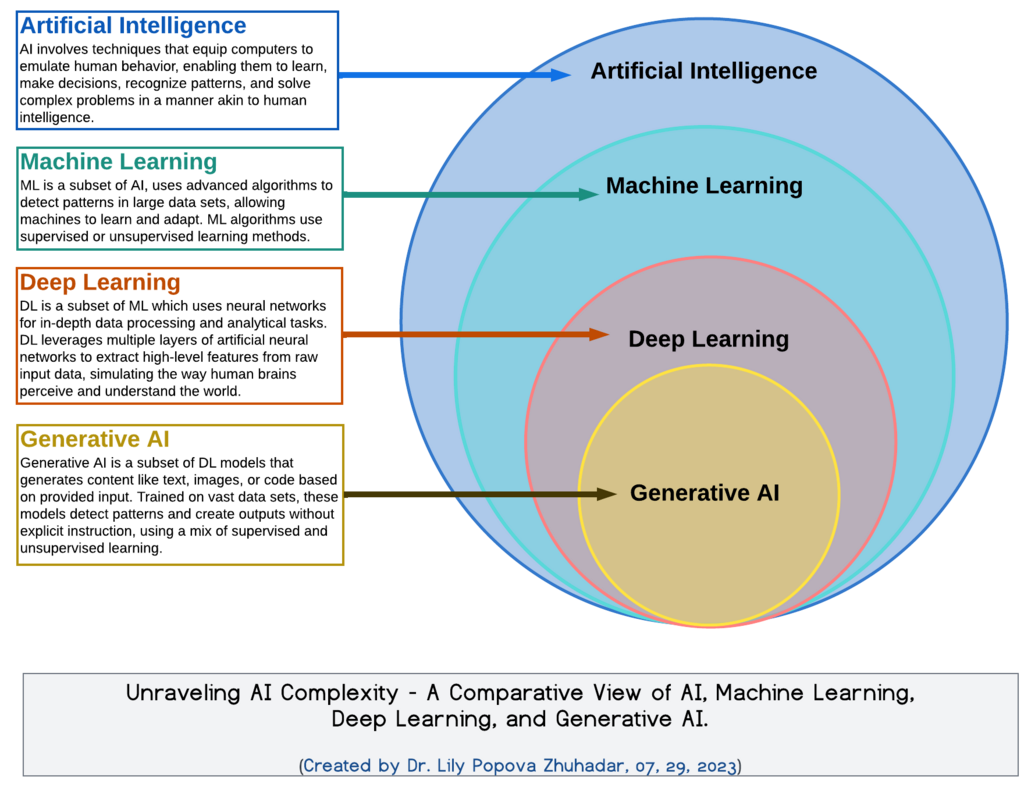
Orchestration is the key to managing this new level of complexity. As we build systems with more and more autonomous agents, we need a way to ensure they work together effectively and safely. Orchestration provides the structure and control necessary to harness the power of AI teams, setting the stage for more sophisticated and capable artificial intelligence.
Now, let's test your understanding of these foundational ideas.
What is the primary characteristic that distinguishes agentic AI from earlier forms of AI like large language models?
In the context of multi-agent systems, what is the main function of an orchestrator?
Understanding these core concepts is the first step toward grasping how agentic systems are changing the way we interact with AI.