Agentic Coding Fundamentals
Introduction to Agentic Coding
Coding That Thinks for Itself
Imagine telling your computer, "Build me a weather app that shows the forecast for the next three days," and then watching it build the app on its own. That's the core idea behind agentic coding. Instead of writing every single line of code yourself, you give a high-level goal to an AI assistant, or "agent."
This agent then figures out the necessary steps, writes the code, tests it for errors, and even debugs it until the goal is achieved. It’s like having a junior programmer who can work incredibly fast and doesn't need to sleep. You shift from being a code writer to a code director.
agentic
adjective
Having the capacity to act independently and make choices; autonomous.
This approach represents a major shift in software development. For decades, programming has been a meticulous, manual process. A developer had to translate an idea into a logical sequence of commands, paying close attention to syntax and structure.
Agentic coding tools receive goals written in natural language as input, break them down into specific tasks, and write/execute the actual code with minimal human intervention.
The importance of this change is hard to overstate. It dramatically speeds up development, allowing ideas to become working software much faster. It also lowers the barrier to entry, as you don't need to be an expert in a specific programming language to start building. Instead, the focus moves to clear communication and problem-solving skills.
A New Way to Build
So how does this new method stack up against the way we've always built software? Traditional coding is a direct conversation between a programmer and a computer. The programmer writes explicit, line-by-line instructions. If there's a mistake, the programmer must find and fix it manually.
Agentic coding introduces a mediator, the AI agent. The developer provides a goal, and the agent handles the low-level details. This doesn't make the developer obsolete; it elevates their role. They can focus on the big picture, architectural decisions, and user experience, while the agent manages the tedious implementation.
| Feature | Traditional Coding | Agentic Coding |
|---|---|---|
| Human Role | Writer & Debugger | Director & Reviewer |
| Input | Precise, line-by-line code | High-level goals in natural language |
| Process | Manual planning, writing, testing | Automated planning, writing, testing |
| Error Handling | Manual debugging | Autonomous debugging & refinement |
The agentic workflow is a continuous loop of action and feedback. The agent makes a plan, executes it, observes the result, and then adjusts its plan based on that observation. It keeps iterating until the software meets the initial goal.
This iterative process is key. It allows the agent to handle complex, open-ended problems that would be difficult to map out perfectly from the start.
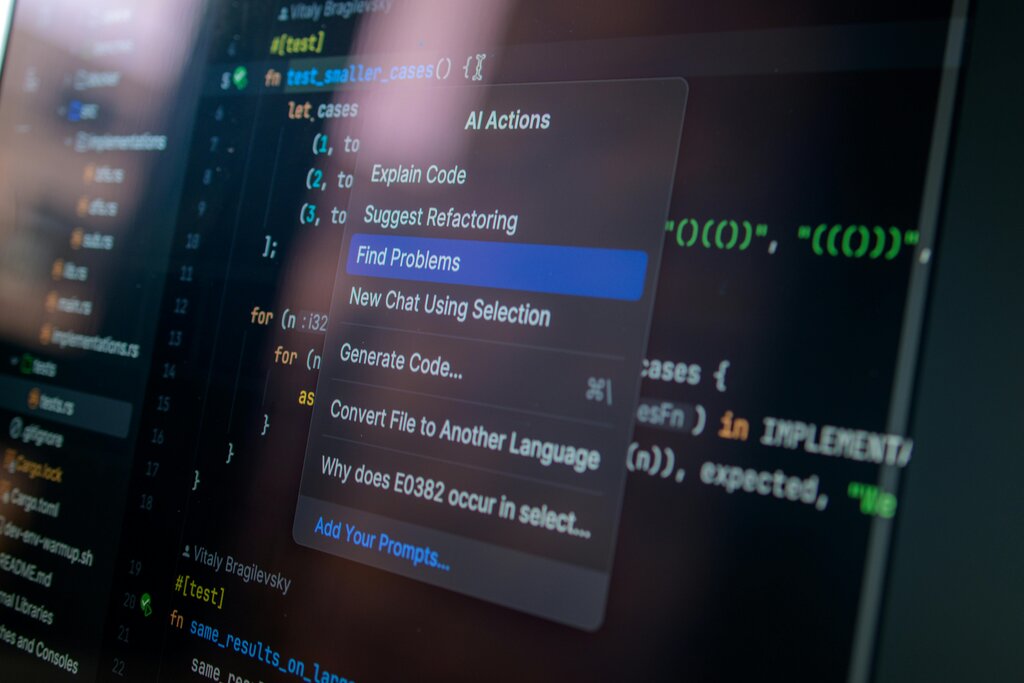
By automating the repetitive parts of programming, agentic coding frees up human creativity to tackle bigger challenges. It's not about replacing programmers, but about giving them a powerful new tool to build better software, faster.