Agentic AI Fundamentals
Introduction to Agentic AI
What Is Agentic AI?
Most of us think of AI as a tool that responds to our commands. We ask a question, and it gives an answer. We give it a prompt, and it generates text or an image. This is a reactive relationship. Agentic AI changes the game by creating systems that don't just respond—they act. They can pursue goals on their own, with minimal human supervision.
Agentic AI represents a fundamental paradigm shift in artificial intelligence, moving from passive, prompt-driven systems to autonomous, goal-oriented agents that can plan, learn, and execute complex tasks with minimal human intervention.
The key word here is "agent." In AI, an agent is something that can observe its environment, make decisions, and take actions to achieve a specific goal. Think of a robot vacuum cleaning a room. It perceives dirt (its environment), decides on a path (planning), and moves around to suck up the dirt (action) to achieve its goal of a clean floor.
Agent
noun
An autonomous entity that perceives its environment through sensors and acts upon that environment through actuators to achieve goals.
Beyond Following Orders
Traditional AI, including many generative AI models like ChatGPT, are masters of single-turn tasks. They are incredibly powerful but wait for instructions. An agentic AI system operates differently. You give it a high-level objective, and it figures out the steps to get there.
For example, if you ask a standard AI to "plan a trip to Tokyo," it will give you a detailed itinerary. If you give the same task to an agentic AI, it could go further: check flight prices, compare hotel availability, book the reservations, and add the details to your calendar. It takes initiative.
| Feature | Traditional AI | Agentic AI |
|---|---|---|
| Autonomy | Low (Requires prompts) | High (Acts independently) |
| Scope | Single, well-defined tasks | Complex, multi-step goals |
| Interaction | Reactive (Responds to input) | Proactive (Takes initiative) |
| Environment | Often static or simulated | Dynamic and interactive |
How an AI Agent Works
To act independently, an AI agent relies on a cycle of core components. This process allows it to understand its situation, decide what to do, and improve over time.
Here’s a breakdown of the cycle:
-
Perception: The agent gathers information about its current state and environment. This could mean reading text, analyzing data from a sensor, or accessing information via an API.
-
Goal Formulation & Planning: Based on a high-level objective from a user, the agent sets a specific, achievable goal. It then breaks that goal down into a sequence of smaller, manageable steps or tasks.
-
Action: The agent executes the steps in its plan. This might involve using tools, like browsing a website, writing code, sending an email, or controlling a physical device.
-
Learning: The agent observes the outcome of its actions and uses that feedback to update its understanding and improve its future performance. This loop of action and reflection is what makes agents adaptable.
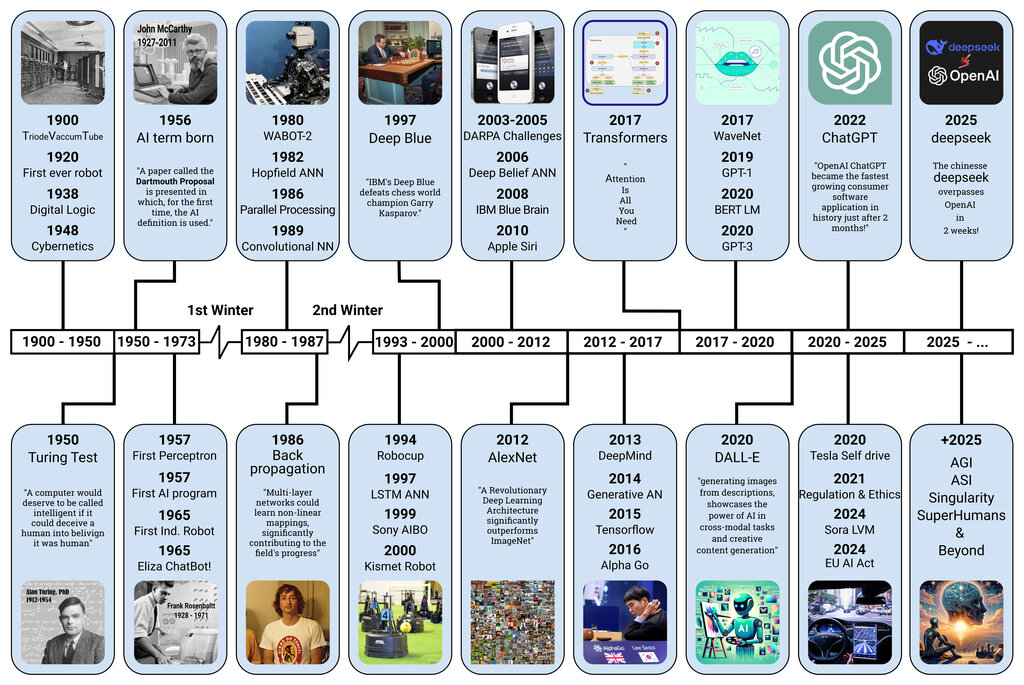
The idea of autonomous agents isn't new; it has roots in decades of research in fields like robotics and cybernetics. However, the recent explosion in the power of Large Language Models (LLMs) has provided the "brain" needed to make sophisticated, general-purpose agents a practical reality.
Agentic AI in the Real World
Agentic AI is moving from theory to practice across many industries. In software development, agents can autonomously write code, debug it, and test it based on a simple feature request. In customer service, they can manage complex queries that require accessing multiple systems, like updating an order and processing a refund, without human help.
In scientific research, specialized agents can design experiments, analyze data, and even form new hypotheses. They act as tireless lab assistants, accelerating the pace of discovery.
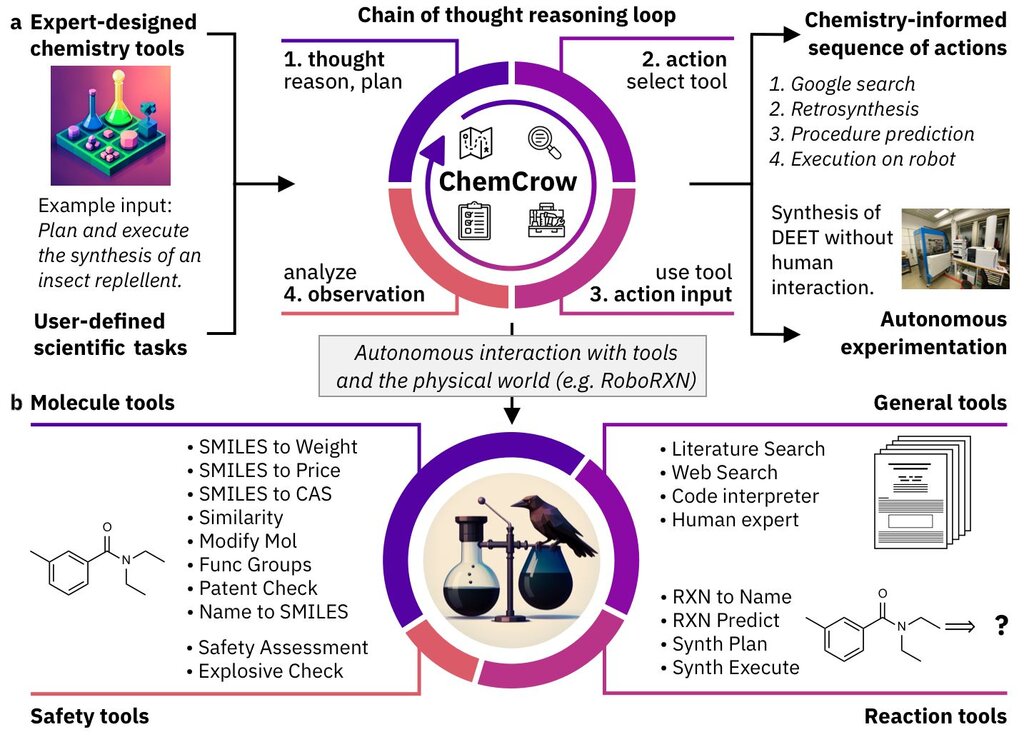
This shift toward proactive, autonomous systems represents a major step in the evolution of AI. By moving beyond simple instruction-following, agentic AI opens the door to solving more complex, dynamic problems in both the digital and physical worlds.