Agentic AI Fundamentals
Introduction to Agentic AI
Beyond the Prompt
Most of us think of AI as a conversational partner. We give a chatbot a prompt, and it generates text. We ask for an image, and it creates one. This type of AI is incredibly powerful, but it's fundamentally reactive. It waits for our instructions and then carries out a specific, single task.
Agentic AI is different. It represents a shift from simply responding to prompts to actively pursuing goals. Instead of waiting for a command, an agentic system can be given a high-level objective and then figure out the steps to achieve it on its own. It can plan, adapt, and execute complex, multi-step tasks without needing a human to guide it at every turn.
Agentic AI is a paradigm where systems autonomously initiate, coordinate, and adapt multi-step tasks without continuous human oversight.
From Reacting to Acting
The key difference between traditional AI and agentic AI is autonomy. A traditional AI model might be able to write an email, but you have to tell it exactly what to write. An agentic AI, given the goal of scheduling a meeting, could check calendars, find a suitable time, draft the invitation, send it, and even follow up if it doesn't get a response. It manages the entire workflow.
This independence is what makes agentic systems so powerful. They don't just process information; they interact with their environment to get things done. This could mean accessing websites, using software applications, or connecting to other digital tools to complete its objective.
| Feature | Traditional AI | Agentic AI |
|---|---|---|
| Interaction | Reactive (prompt-response) | Proactive (goal-oriented) |
| Autonomy | Low (needs step-by-step guidance) | High (operates independently) |
| Task Scope | Single, discrete tasks | Complex, multi-step workflows |
| Human Role | Director (provides constant input) | Supervisor (sets goals, oversees) |
Why Autonomy Matters
This ability to act independently isn't just a neat trick; it's a fundamental change in how we can use technology. When an AI can manage complexity on its own, it opens up a new world of possibilities. It frees people from managing tedious, multi-part processes and allows them to focus on strategy and creativity.
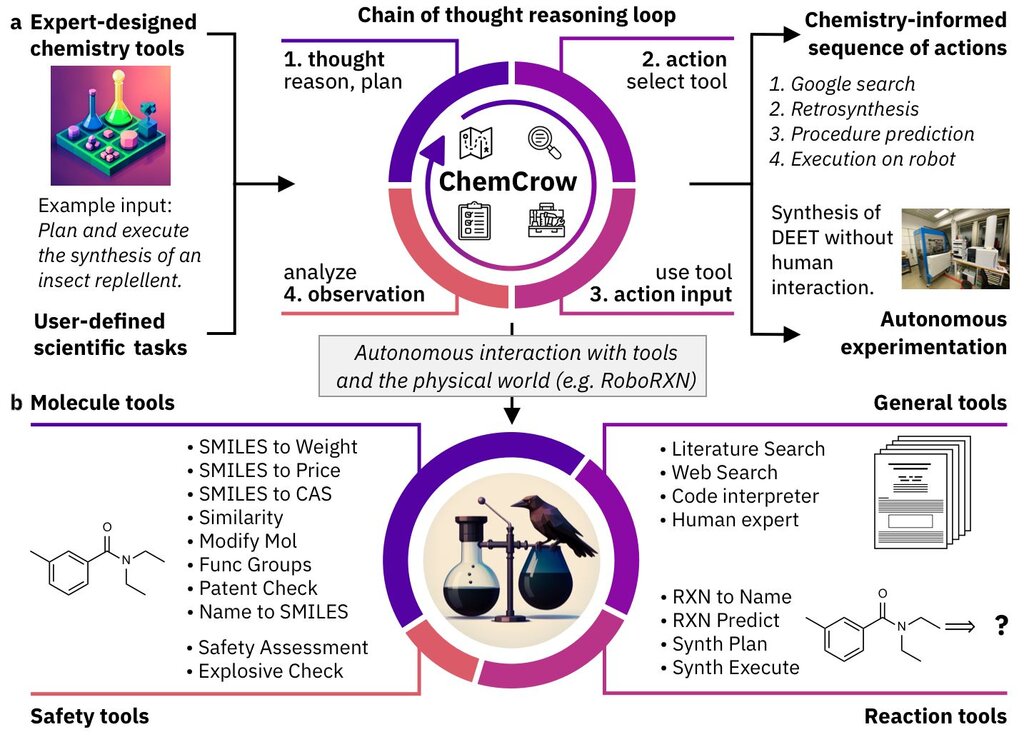
Think about a research assistant. You don't tell them which keywords to search, which papers to download, and how to format the summary. You give them a topic and a deadline. They figure out the rest. That's the promise of agentic AI. It can act as a capable, autonomous assistant for a huge range of digital tasks.
From a business perspective, this can revolutionize entire industries. In e-commerce, an agent could manage inventory by analyzing sales data, predicting demand, and automatically placing orders with suppliers. In healthcare, an agent could coordinate patient appointments, manage records, and handle insurance claims, streamlining administrative work.
This is just the beginning. As these systems become more capable, they will likely become essential tools for navigating our increasingly complex digital world, acting as tireless partners in achieving our goals.
What is the primary characteristic that distinguishes agentic AI from traditional, reactive AI?
Which of the following scenarios best illustrates the capabilities of an agentic AI?