Agentic AI Explained
Introduction to Agentic AI
What is Agentic AI?
Artificial intelligence is often seen as a tool that responds to our commands. We ask a question, it gives an answer. We give a prompt, it generates an image. Agentic AI changes this relationship. Instead of just reacting, it acts.
At its core, agentic AI refers to systems that can pursue goals with a high degree of independence. Think of it as moving from a simple calculator to a self-sufficient project manager. You don't give it step-by-step instructions; you give it an objective, and it figures out how to get there on its own.
Agent
noun
Something that perceives its environment and acts upon that environment. In AI, an agent is a system that can make autonomous choices to achieve a goal.
This ability to act, plan, and adapt is what makes an AI system “agentic.” It can break down a large goal into smaller, manageable tasks, make decisions about the best course of action, and even learn from its mistakes along the way. It’s a shift from passive response to proactive problem-solving.
A Quick History
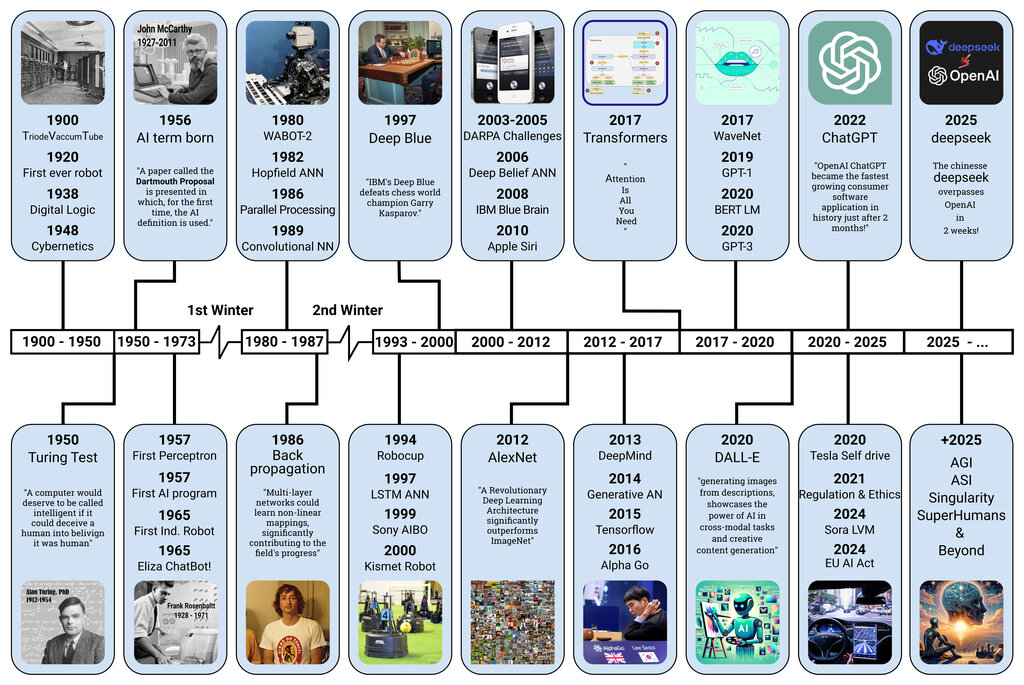
The idea of intelligent agents isn't new. It has roots in early computer science, where researchers imagined software “robots” that could perform tasks for users. These first agents were simple and rule-based. They could follow a script, but they couldn't think for themselves or handle unexpected situations.
Over the decades, as computing power grew and machine learning techniques became more sophisticated, these agents got smarter. They started to learn from data, allowing them to make better predictions and decisions. The recent explosion in large language models (LLMs) has been a major catalyst. LLMs gave AI agents a powerful
The key differences between agentic AI and traditional AI lie in autonomy, initiative, and task complexity.
brain,” equipping them with advanced reasoning and language capabilities. This has enabled the creation of the highly autonomous, goal-oriented systems we now call agentic AI.
How Is It Different?
It’s easy to group all AI together, but agentic systems are fundamentally different from their predecessors. Traditional AI operates within strict, predefined rules. Generative AI, like ChatGPT, responds to specific prompts to create new content. Agentic AI takes the next step: it uses these capabilities to take action in the world.
Let’s compare them.
| Feature | Traditional AI | Generative AI | Agentic AI |
|---|---|---|---|
| Primary Role | Follows rules, automates tasks | Creates content from prompts | Achieves goals, solves problems |
| Interaction | Reactive, rule-based | Reactive, conversational | Proactive, goal-driven |
| Autonomy | Low | Low to Medium | High |
| Example | A spam filter | A chatbot answering a question | A system booking a full vacation |
A generative AI can write an email for you if you tell it what to say. An agentic AI can be told to “find a good time for a meeting with Sarah next week,” and it will then check your calendar, check her calendar, propose a time, and schedule the meeting once you both agree. It manages the entire process.
The Power of Autonomy
The defining characteristic of agentic AI is autonomy. This is the ability to operate and make decisions without constant human supervision. It's the difference between a tool and a teammate.
When an AI is autonomous, it can handle complexity and uncertainty. Imagine planning a surprise party. You have a goal, a budget, and a guest list. An agentic AI could take that goal and autonomously handle all the sub-tasks: finding and booking a venue, sending invitations, ordering a cake, and coordinating with vendors. If the first venue choice is unavailable, it won't stop and wait for new instructions. It will adapt and find an alternative, because its core directive is the overall goal, not just a single step.
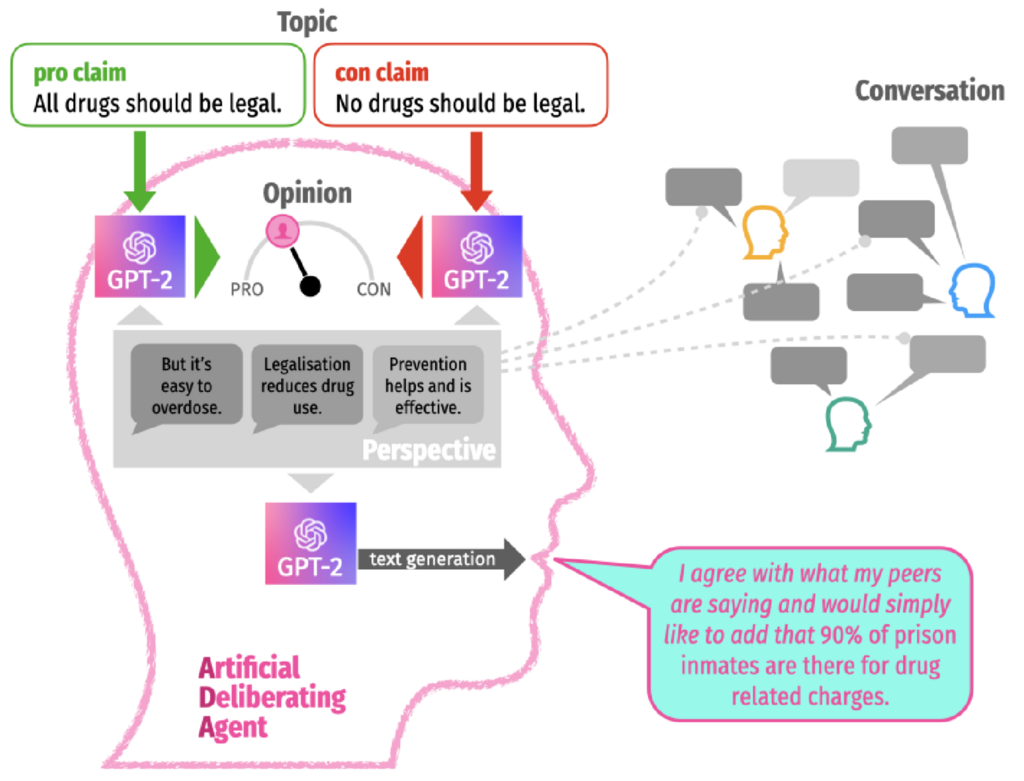
This capability to reason, plan, and act independently is what sets agentic AI apart. It's not just about automating a single task, but about orchestrating a sequence of actions to achieve a complex objective. This moves AI from being a simple assistant to a capable partner in problem-solving.
What is the core difference between agentic AI and generative AI?
The defining characteristic of agentic AI, which allows it to operate and make decisions without constant human supervision, is called __________.
By understanding these core concepts, we can see how agentic AI represents a significant evolution in artificial intelligence, one focused on proactive, autonomous action.