Agentic AI Explained
Introduction to Agentic AI
Beyond Answering Questions
For years, artificial intelligence has been great at specific tasks. It can classify an image, translate a sentence, or predict the weather. Most AI systems we interact with are reactive. You give them a prompt, and they give you a response. They are powerful tools, but they wait for instructions.
Agentic AI is a major shift from this model. Instead of just reacting, these systems act. They are designed to be autonomous, pursuing goals with minimal human guidance. Think of it less like a calculator and more like a helpful assistant that you can give a high-level goal, like "plan my trip to Tokyo," and it will figure out the steps on its own.
Unlike traditional automation that follows predetermined rules, agentic AI systems make autonomous decisions, pursue specific goals, and adapt their behavior to manage complex workflows independently.
This ability to act independently is what gives "agentic" AI its name. At its core are a few key characteristics:
| Characteristic | Description |
|---|---|
| Autonomous Decision-Making | It can make choices and take actions without a human approving every step. |
| Goal-Directed Behavior | It works towards a specific objective, breaking it down into smaller, manageable tasks. |
| Adaptability | It can adjust its plan when it runs into unexpected problems or changing conditions. |
| Advanced Reasoning | It can plan, strategize, and even reflect on its performance to improve over time. |
This combination of traits moves AI from being a passive tool to an active partner in getting things done.
A Brief Evolution
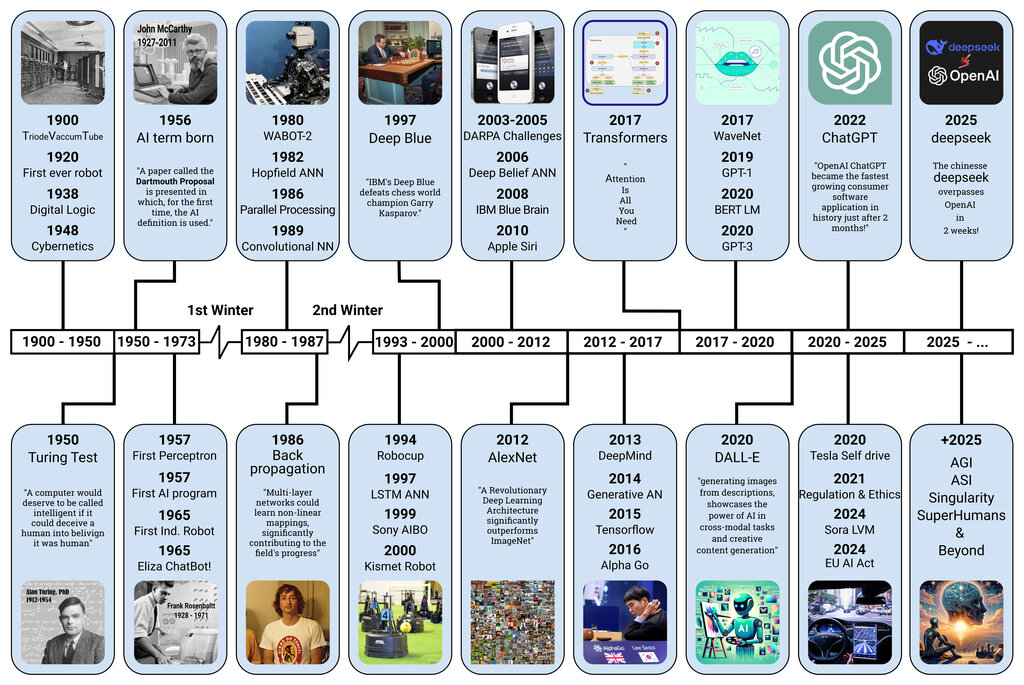
The idea of autonomous agents isn't new. It has roots in early AI research from the 1950s, which focused on creating systems that could reason and solve problems like humans. These early systems were based on logic and predefined rules, a field known as symbolic AI. They were powerful for specific, well-defined problems but brittle in the messy, unpredictable real world.
The machine learning revolution shifted the focus. Instead of programming rules by hand, developers created systems that could learn patterns from data. This led to incredible advances in areas like image recognition and natural language processing. However, these models were still largely task-specific and required human direction.
Agentic AI builds on these foundations. It combines the reasoning and planning capabilities of symbolic AI with the pattern-recognition power of modern machine learning, creating systems that are both knowledgeable and capable of independent action.
Why Now?
Several key developments have paved the way for the rise of agentic AI. The most significant is the advancement of large language models (LLMs). These models provide a robust foundation for understanding language and reasoning about the world, which is crucial for an agent that needs to interpret goals and make plans.
At the same time, massive increases in computing power and the availability of vast datasets have made it possible to train these complex models. Finally, better tools and frameworks are making it easier for developers to connect AI models to external data sources and applications, allowing an agent to not just think, but also do things—like book a flight, search a database, or send an email.
The convergence of powerful language models, accessible computing power, and tools for real-world interaction has created the perfect environment for agentic AI to flourish.
Now, let's review the key ideas we've covered.
Ready to test your knowledge?
What is the primary characteristic that distinguishes agentic AI from most traditional AI systems?
Agentic AI combines the reasoning of early symbolic AI with the pattern-recognition of modern machine learning.
Agentic AI represents a significant step forward, moving from systems that respond to us to systems that can act for us. It opens up new possibilities for how we can use technology to manage complexity and achieve our goals.