Agentic AI Explained
Introduction to Agentic AI
What Is Agentic AI?
Think of the difference between a tool and a teammate. A hammer is a tool. It's incredibly useful, but it won’t do anything until you pick it up and swing it. A teammate, on the other hand, understands the goal of the project and can take initiative to get things done.
Traditional AI is like a very advanced tool. You give it a specific prompt, and it gives you a specific output. Agentic AI is more like a teammate. You give it a high-level goal, and it works autonomously to achieve it.
Agentic AI refers to AI systems that exhibit a high degree of agency – they proactively set goals, make decisions, and take actions with minimal human intervention.
The key word here is agency. It's the capacity of an actor to act independently and make their own free choices. In the context of AI, this means the system can operate without constant human supervision. It doesn't just respond; it reasons, plans, and executes.
agency
noun
The capacity of an individual to act independently and to make their own free choices.
Beyond Simple Instructions
Most AI tools we use today are reactive. A chatbot waits for your question. A text-to-image generator waits for your prompt. They are powerful but passive.
Agentic AI flips this relationship. Instead of giving it a detailed, step-by-step command, you give it an objective. For example, instead of asking a generative AI to “write an email to my team about the Q3 marketing report,” you could tell an agentic AI: “Analyze our recent sales data, identify key trends for the marketing team, and schedule a meeting to present the findings.”
The agent would then break that goal down into smaller tasks: accessing the database, running an analysis, summarizing the insights, drafting an email, checking calendars, and sending a meeting invitation. It handles the entire workflow.
| Feature | Traditional AI | Agentic AI |
|---|---|---|
| Autonomy | Low (Reacts to prompts) | High (Initiates actions) |
| Task Execution | Single-step, direct output | Multi-step, complex workflows |
| Human Input | Constant and detailed | Minimal, goal-oriented |
| Adaptability | Limited to the prompt | Adapts based on new information |
Putting Agents to Work
The ability to automate complex, multi-step processes makes agentic AI incredibly powerful. It's not just about doing one thing well; it's about orchestrating many tasks to reach a destination.
In business, an agentic AI could manage inventory by monitoring sales, predicting demand, and automatically placing orders with suppliers. In personal finance, it could act as an automated financial advisor, adjusting your investments based on market changes and your long-term goals. In scientific research, it could design and run experiments, analyze data, and even draft initial findings.
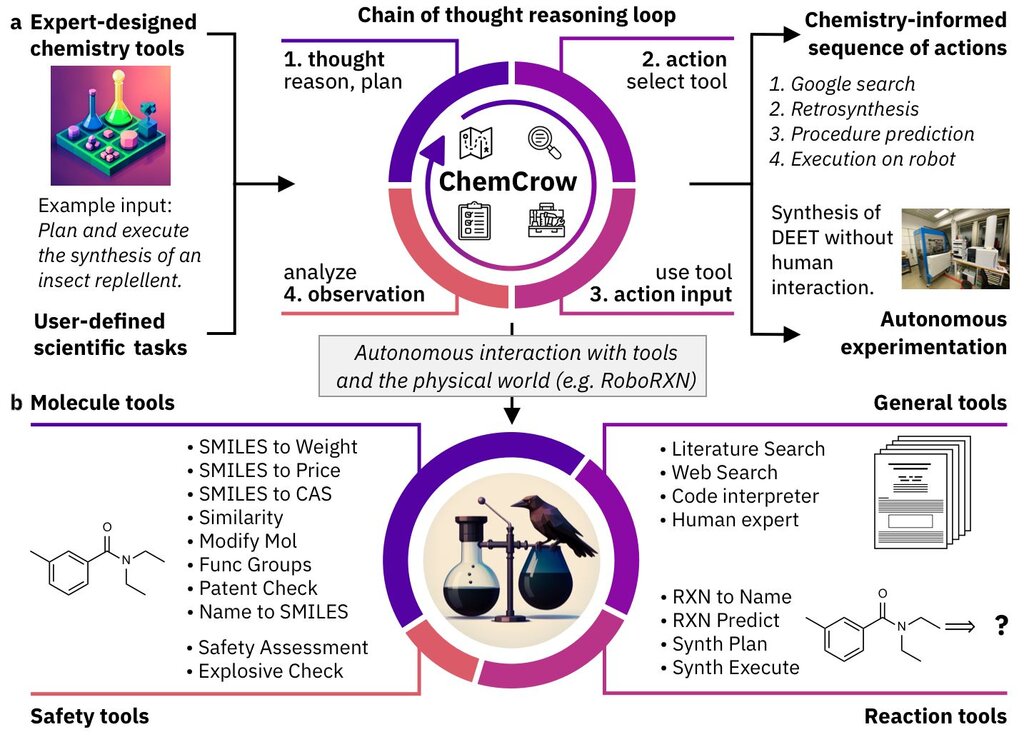
These systems can also work together. Imagine a team of specialized AI agents: one for research, one for writing, one for graphic design, and one for project management. You could assign them a task like "create a marketing campaign for our new product," and they would collaborate to deliver the final result, just like a human team.
This shift from single-purpose tools to autonomous systems marks a significant step in what AI can accomplish.