Agentic AI Explained
Introduction to Agentic AI
What Is Agentic AI?
Think of the difference between a simple calculator and a personal assistant. A calculator only does what you tell it, one command at a time. An assistant, on the other hand, understands a broader goal—like "plan my trip to Miami"—and then figures out all the steps to make it happen without you spelling out every detail. That's the core idea behind agentic AI.
Agentic AI systems are designed to be autonomous. You give them a goal, and they have the capability to create a plan, take action, and adapt as they go until the goal is achieved. They don't need constant human intervention. This ability to act independently is what we call "agency."
Agency
noun
The capacity of an actor to act independently and to make their own free choices.
These systems don't just answer questions or generate text based on a prompt. They use information to make decisions and carry out multi-step tasks in the real world or digital environments.
At a fundamental level, agentic AI refers to systems capable of making independent decisions and taking purposeful actions without constant, explicit human direction.
From Tools to Teammates
Artificial intelligence didn't start here. Its journey can be seen as an evolution from simple tools to complex, independent partners.
First came simple automation. These are systems that follow a strict set of pre-programmed rules. A factory robot arm that welds the same spot on a car door over and over is a perfect example. It does its job perfectly, but it can't handle anything unexpected.
Next, we developed reactive AI. This is the AI most of us are familiar with. Think of a customer service chatbot or a streaming service's recommendation algorithm. These systems are much more advanced; they can understand your input and react with a relevant response. But they are still fundamentally passive. They wait for a prompt before they do anything.
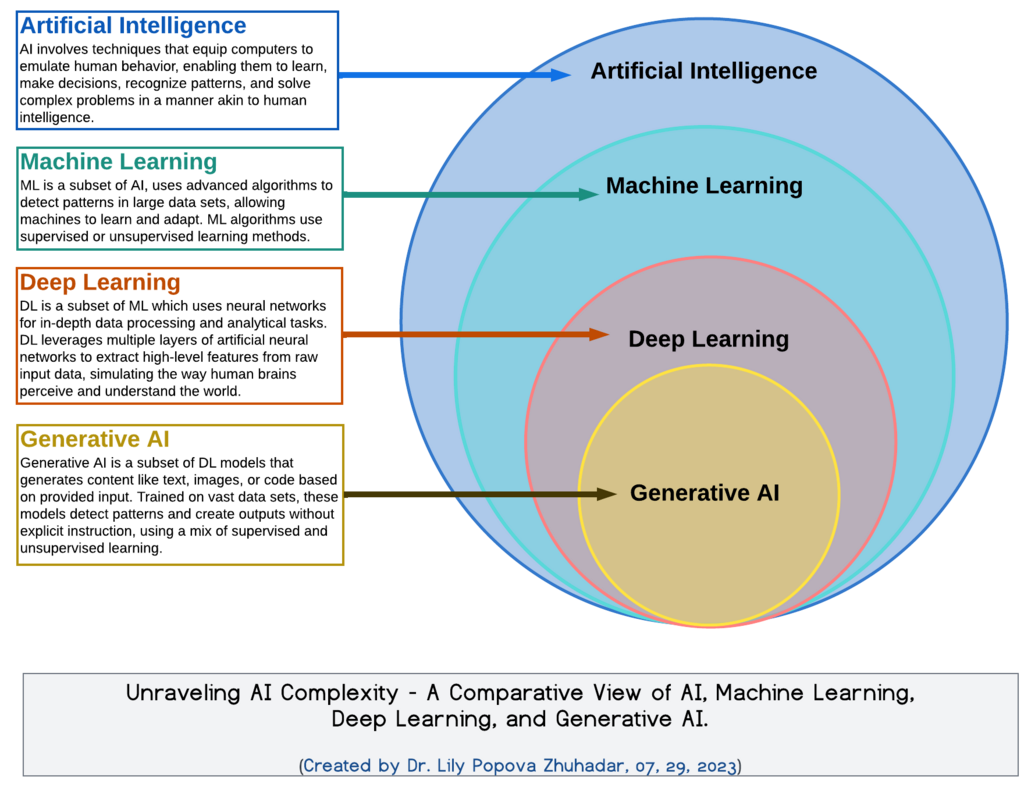
Agentic AI is the next step. It builds on the capabilities of earlier systems but adds a crucial layer: the ability to take initiative. An agentic system doesn't just react; it acts. It can break down a high-level goal into smaller tasks, decide how to execute them, and learn from the results.
The Core Traits
What truly sets agentic AI apart? It comes down to a few key characteristics that distinguish it from traditional AI systems. These traits work together to allow for a level of independent operation that was previously out of reach.
Key Characteristics:
- Autonomy: Operates without constant human oversight.
- Adaptability: Adjusts its approach when faced with new information or obstacles.
- Proactivity: Takes initiative to achieve a goal, rather than waiting for commands.
A traditional AI might get stuck if an API it needs is down. It would report an error and stop. An agentic AI, because it's adaptable, might search for an alternative API or try again later, finding a different path to its goal. This proactive, problem-solving ability is its defining feature.
| Feature | Traditional AI | Agentic AI |
|---|---|---|
| Operation | Reactive (responds to input) | Proactive (takes initiative) |
| Control | Requires human guidance | Autonomous |
| Task Scope | Single, well-defined tasks | Complex, multi-step goals |
| Flexibility | Rigid, follows set paths | Adaptable, finds new solutions |
Understanding these differences is key. Agentic AI isn't just a more powerful version of the AI we're used to; it's a different way of thinking about how machines can help us.
Now, let's check your understanding of these core concepts.
What is the core concept behind agentic AI?
According to the provided text, which type of AI represents the stage of development immediately preceding agentic AI?
By moving from simple rule-following to autonomous goal-seeking, agentic AI opens up new possibilities for how we interact with technology.