Agentic AI Explained
Introduction to Agentic AI
Beyond Answering Questions
Most of the artificial intelligence we interact with today is reactive. You type a question into a search engine or a chatbot, and it gives you an answer. You ask your smart speaker for the weather, and it tells you. These systems are powerful, but they mostly wait for instructions. They are tools that respond to our commands.
Now, imagine an AI that doesn't just wait. Imagine an AI that you can give a goal to, and it will figure out the steps to achieve it, work on it over time, and adapt as things change. This is the core idea behind Agentic AI.
Unlike traditional AI, which reacts to data, Agentic systems are all about autonomous decision-making, adapting through experience, and taking meaningful action with minimal human involvement.
The key word here is agency. An AI with agency can act independently to pursue goals. It's the difference between a calculator that solves the specific math problem you enter and a financial assistant that you task with 'improving my investment portfolio,' which then goes off to research, analyze, and propose trades on its own.
From Reactive to Proactive
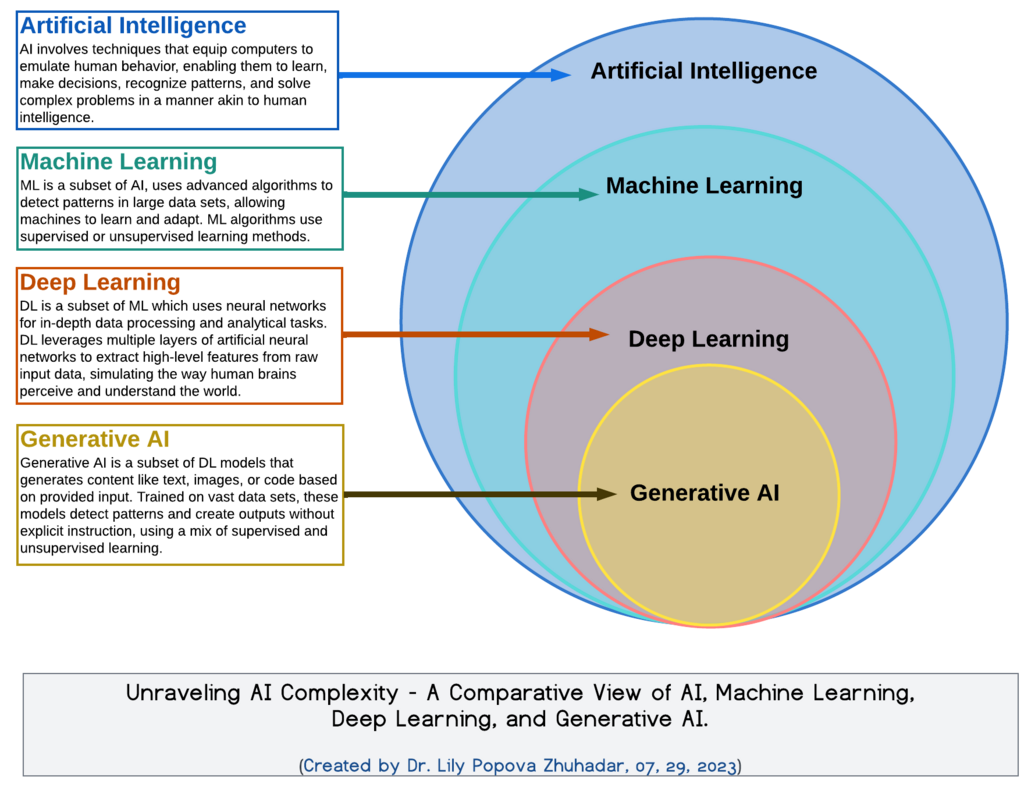
Traditional AI, including the generative AI behind many popular chatbots, operates on a simple loop: it receives an input (a prompt), processes it, and produces an output. It's a one-and-done interaction. You have to provide a new prompt for every new task.
Agentic AI works differently. It's designed to be proactive. Instead of just responding to a single prompt, it can understand a broader goal and break it down into a sequence of actions. It can use different tools, access information, and make decisions over multiple steps to get the job done without you needing to guide it at every turn.
The Core Characteristics
Agentic AI systems are defined by a few key traits that set them apart.
First is autonomy. They can operate independently without constant human supervision. You set the objective, and the agent has the freedom to figure out how to achieve it. This doesn't mean humans are out of the loop entirely, but it changes our role from operator to supervisor.
Autonomy allows the AI to make its own decisions to move toward a goal, rather than just executing a predefined script.
Second is proactivity and complex reasoning. An agentic system doesn't just perform a single task. It can formulate a plan that involves multiple steps, reason about cause and effect, and adjust its strategy based on new information. If it hits a dead end, it can try a different approach.
Finally, these systems are built to be adaptive. They can learn from their actions and the outcomes they produce. This allows them to improve their performance over time, becoming more efficient and effective at achieving their goals.
This shift from reactive tools to autonomous agents marks a significant step in the evolution of artificial intelligence. It moves us closer to AI that can function not just as a resource for information, but as a capable partner in complex tasks.
What is the core idea that distinguishes Agentic AI from traditional reactive AI?
A user gives an AI the task: 'Improve my company's online sales.' The AI then independently analyzes website traffic, suggests A/B tests for the homepage, and drafts new ad copy. This is an example of which key trait of Agentic AI?