Agentic AI Explained
Introduction to Agentic AI
A New Kind of AI
Most AI we interact with is reactive. You type a question into a search bar or a chatbot, and it gives you an answer. It's a powerful tool, but it waits for your command. It's like a sophisticated calculator: it won't do anything until you punch in the numbers and hit 'equals'.
Agentic AI is different. It's proactive. Instead of just responding to a direct command, you can give it a goal, and it will figure out the steps to achieve it on its own. It's less like a calculator and more like a personal assistant who can plan a trip for you, not just tell you the flight times.
Agentic AI represents a fundamental paradigm shift in artificial intelligence, moving from passive, prompt-driven systems to autonomous, goal-oriented agents that can plan, learn, and execute complex tasks with minimal human intervention.
This means agentic systems don't just process information; they act on it. They can interact with software, access data, and make decisions over multiple steps to get a job done, all without you needing to guide them at every turn.
From Following to Leading
The journey to agentic AI is an evolution in control and capability. Early AI systems were strictly rule-based, like a simple game character that could only move in programmed patterns. Then came reactive AI, which could respond to new inputs but couldn't plan ahead.
Agentic AI is the next step. It shifts from passively answering questions to actively pursuing objectives. It possesses a quality called 'agency,' which is the capacity to act independently and make its own choices.
| Feature | Traditional AI | Agentic AI |
|---|---|---|
| Initiative | Reactive (waits for prompts) | Proactive (takes initiative) |
| Operation | Single-step tasks | Multi-step workflows |
| Goal | Answer a query | Achieve an objective |
| Human Role | Direct commander | Supervisor or delegator |
This table highlights the fundamental difference: traditional AI is a tool you operate, while agentic AI is a partner you delegate to.
Core Characteristics
Three key traits define agentic AI and give it this new level of capability.
Autonomy: Agentic AI operates with minimal human supervision. Once you give it a goal, it can work independently, breaking the goal down into smaller tasks and executing them in order.
Imagine asking an agent to book a weekend trip to a new city. A fully autonomous agent could research flights and hotels, compare prices based on your preferences, check your calendar for conflicts, and even book the reservations.
Adaptability: The world isn't static, and neither are complex tasks. Agentic AI can learn from its experiences and adjust its plan when things change. If a flight is sold out or a hotel is fully booked, it won't just stop. It will adapt, look for alternatives, and continue working toward the goal.
This ability to learn and pivot makes agentic AI far more robust than systems that follow a rigid script.
Proactive Decision-Making: Instead of just executing a predefined list of instructions, agentic AI makes its own choices. It weighs options, assesses trade-offs, and decides on the best course of action to achieve its objective. It thinks ahead.
It might decide to book a slightly more expensive flight because it has a better cancellation policy, anticipating that your plans might change. That's a proactive, value-based decision, not just a simple execution of a command.
Agentic AI in the Wild
While still an emerging field, agentic AI is already powering useful applications.
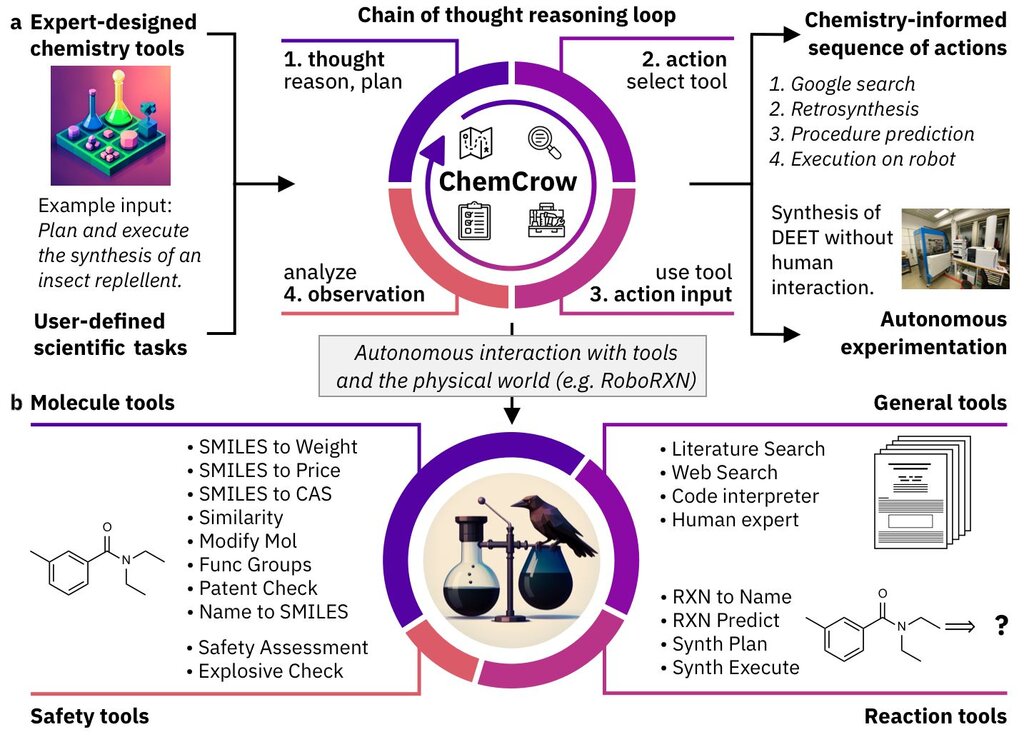
In scientific research, AI agents are helping to accelerate discovery. An agent might be tasked with finding a new material with specific properties. It could then search through databases of scientific papers, design and run virtual experiments (simulations), analyze the results, and propose promising candidates to human scientists. This automates a huge amount of tedious lab work.
In business, an agentic AI could manage a company's inventory. It could monitor sales data in real-time, predict future demand, and automatically place orders with suppliers to prevent stockouts, all while trying to find the best prices. It's not just reporting the numbers; it's running the whole process.
Even in our personal lives, sophisticated smart home systems are a form of agentic AI. A system that learns your routine—noticing you turn down the heat at night and turn it up in the morning—and starts doing it for you is acting as an autonomous agent to manage your home's climate and save energy.
Let's review these concepts.
What is the primary difference between reactive AI and agentic AI?
An AI system monitors a company's sales data, predicts future demand based on market trends, and automatically places orders with suppliers to prevent stockouts. This is an example of: