Agentic AI Explained
Introduction to Agentic AI
Beyond the Prompt
For the last few years, artificial intelligence has mostly been a conversation partner. You give it a prompt, it gives you a response. You ask it to write an email or generate a picture, and it does exactly that. But what if AI could do more than just respond? What if it could take your goal and run with it, figuring out the necessary steps and executing them on its own?
This is the core idea behind agentic AI. It's a shift from AI as a passive tool to AI as an active, autonomous agent. Instead of a simple instruction-follower, you get a problem-solver.
Agentic AI represents a fundamental paradigm shift in artificial intelligence, moving from passive, prompt-driven systems to autonomous, goal-oriented agents that can plan, learn, and execute complex tasks with minimal human intervention.
Think of it like the difference between giving a cook a detailed recipe and simply asking for dinner. A standard AI is the recipe-follower; it does exactly what you tell it, step by step. An agentic AI is the chef; it understands the goal (make dinner), checks the pantry (gathers resources), handles unexpected problems (the oven is broken, so let's use the grill), and delivers a final result. The key ingredient is autonomy.
The Quest for Autonomy
Autonomy is the ability to make independent decisions and take action. In AI, this means moving beyond systems that require constant human supervision to systems that can manage tasks on their own. It's the difference between cruise control, which maintains a set speed, and a fully self-driving car, which navigates traffic, obstacles, and changing road conditions to reach a destination.
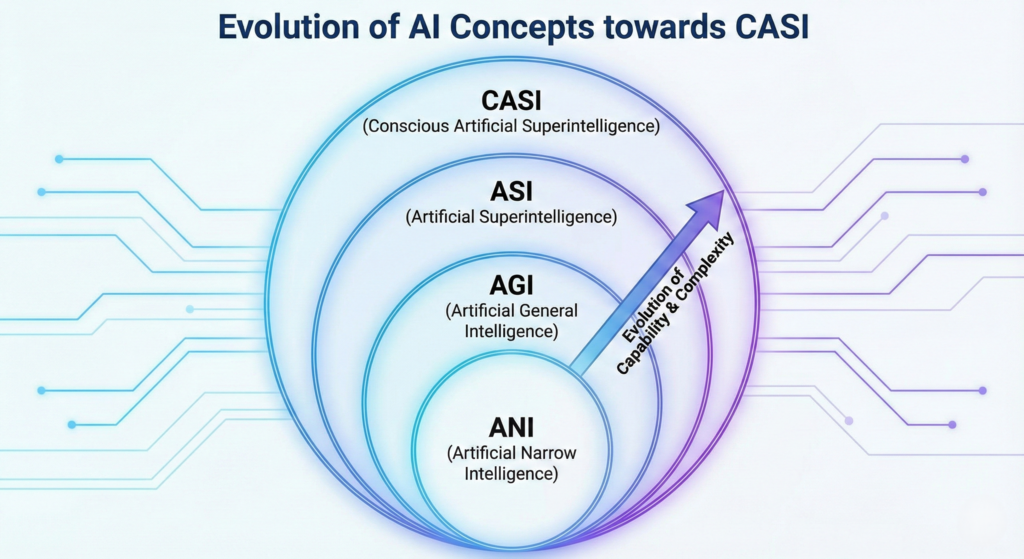
This independence is crucial because it allows AI to tackle problems that are too complex or fast-moving for a human to manage directly. An agentic system can monitor a complex supply chain and automatically re-route shipments around a storm, or manage an investment portfolio by executing trades in response to real-time market shifts. The goal is to offload not just the simple, repetitive tasks, but the complex, multi-step workflows that require planning and adaptation.
From Calculators to Collaborators
The path to agentic AI wasn't a straight line. Early AI systems, dating back to the 1950s, were primarily rule-based. They were like sophisticated calculators, powerful at specific tasks like playing chess, but completely bound by their programming. They couldn't learn or adapt.
The machine learning revolution changed that. Suddenly, AI could learn patterns from vast amounts of data. This gave us image recognition, language translation, and the large language models we use today. These systems were more flexible, but they were still largely reactive. They needed a prompt, an input, a human to kick things off.
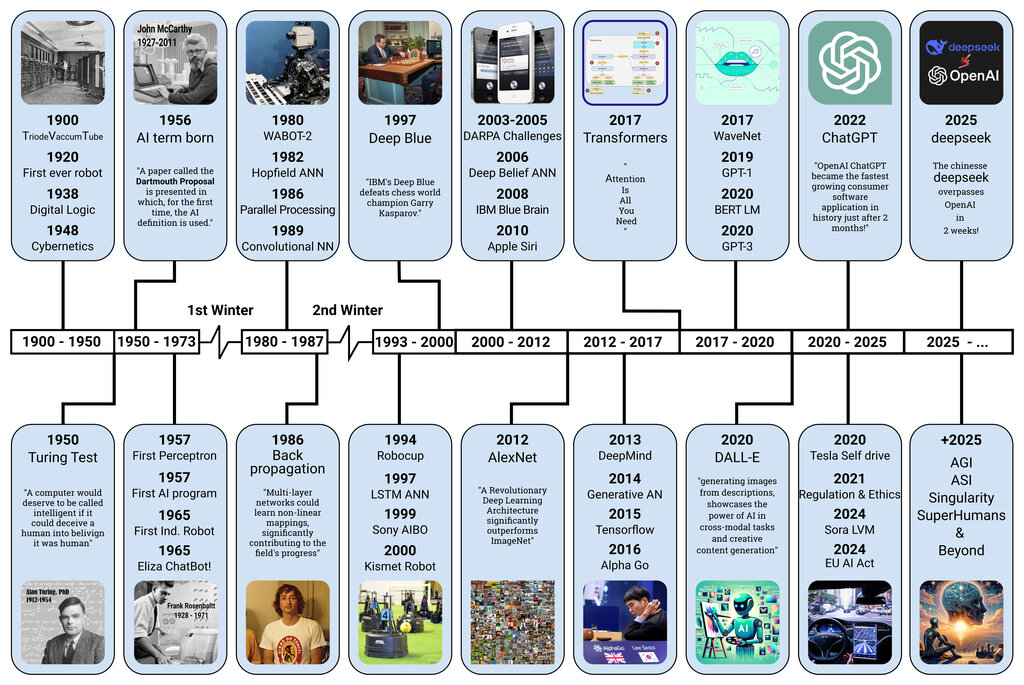
Agentic AI is the next logical step. It combines the reasoning and learning abilities of modern AI with the capacity to act. These systems can break down a high-level goal into a series of smaller tasks, choose the right tools for each task, and learn from the outcome of their actions. They are less like a tool and more like a collaborator, working alongside us to get things done.
Ready to check your understanding?
What is the primary characteristic that distinguishes agentic AI from earlier forms of AI, such as rule-based systems or standard large language models?
The text uses the analogy of a 'recipe-follower' versus a 'chef'. Which of these tasks would be handled by the 'chef' (agentic AI)?
By giving AI systems the autonomy to act on their own, we're opening the door to solving problems in entirely new ways.