Agentic AI Explained
Introduction to Agentic AI
The Next Step for AI
For years, we've interacted with AI that responds to our commands. We ask a chatbot a question, and it gives an answer. We tell an image generator to create a picture of a cat in space, and it does. These are powerful tools, but they're reactive. They wait for us to tell them what to do.
Agentic AI is different. It doesn't just respond; it acts. Imagine giving an AI a complex goal, like "plan a weekend trip to a nearby city for me, keeping the budget under $500." Instead of just giving you a list of hotels, this AI would take initiative. It would research destinations, check for affordable transportation, find available accommodations, and even look up activities, all without you having to guide each step. It works autonomously to achieve the goal.
Agentic AI is a branch of artificial intelligence focused on building autonomous, intelligent agents capable of making decisions, interacting with other agents and completing complex tasks with minimal human intervention.
This ability to act independently is the core of agentic AI. These systems have a degree of freedom to make their own decisions to move toward a final objective. They can break down a large goal into smaller, manageable tasks and execute them in a logical sequence.
From Reactive to Proactive
Traditional AI, including the generative AI models that create text and images, excels at single-turn tasks. You give it a prompt, it produces a result, and the interaction ends. It's like having a brilliant but very literal intern who needs precise instructions for everything.
Agentic AI is more like a project manager. It understands the end goal and has the authority to figure out the best way to get there. It can use different tools, access information, and adjust its plan based on new data. If the first hotel it finds is too expensive, it doesn't just stop. It adapts and looks for another option, because it understands the budget constraint is part of the overall goal.
This shift didn't happen overnight. It's the result of decades of progress. AI started with simple, rule-based systems. Then came machine learning, which allowed computers to learn from data. More recently, large language models gave AI a powerful grasp of human language and reasoning. Agentic AI combines these capabilities, giving models the framework to not just understand, but to act on that understanding in a persistent, goal-oriented way.
Why It Matters
The move towards agentic systems is significant because it changes how we use technology. Instead of being operators who micromanage every task, we can become collaborators who delegate complex goals to capable AI partners.
This opens the door to automating complicated workflows that previously required constant human attention. Think of a scientist who could tell an AI agent to "find all relevant research on a specific protein, summarize the findings, identify contradictions in the literature, and suggest new experimental hypotheses." The potential is to free up human creativity for higher-level thinking, while AI handles the intricate, multi-step execution.
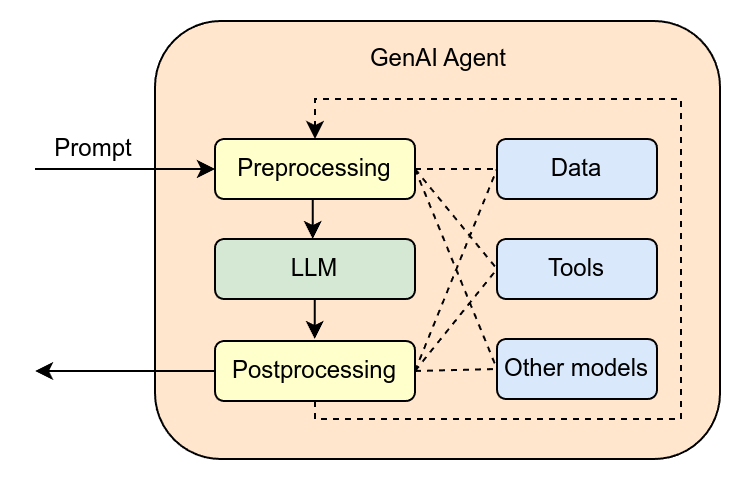
As these systems become more sophisticated, they will likely become a fundamental part of how we work and solve problems. The distinction between simply giving a command and delegating a goal will become increasingly important in our technological world.
What is the primary characteristic that distinguishes agentic AI from traditional AI models?
If you ask an AI to "plan a surprise birthday party for a friend," which response best illustrates the behavior of an agentic AI?