Agentic AI Business Architect
Agentic Opportunity Mapping
Beyond Prompts
Forget simple question-and-answer. The real shift in using AI for business isn't better prompting—it's leveraging agentic reasoning. Instead of asking a large language model for ideas, you give it a goal and let it work as an autonomous analyst. It decides the steps, finds the data, and synthesizes insights on its own.
Models like Grok-3 with its Deep Search capability can scan real-time data from social platforms and forums. This isn't just keyword searching; the model understands context, sarcasm, and desire. It identifies what users are complaining about but have no solution for. These are friction points, the raw material for new business opportunities.
Finding 'Found Money'
The goal is to locate 'found money'—opportunities hiding in plain sight within crowded or ignored markets. An agent can analyze thousands of conversations and product reviews to map these friction points. It connects a complaint on Reddit about a specific software limitation with a dozen similar tweets and a feature request on a community board. A human analyst might miss these connections, but an agent sees the pattern instantly.
This process reveals unmet needs that aren't big enough for major players to address but are perfect for a solo entrepreneur. The agent isn’t just finding problems; it’s identifying the paying problems that people are desperate to solve.
Agentic Brainstorming
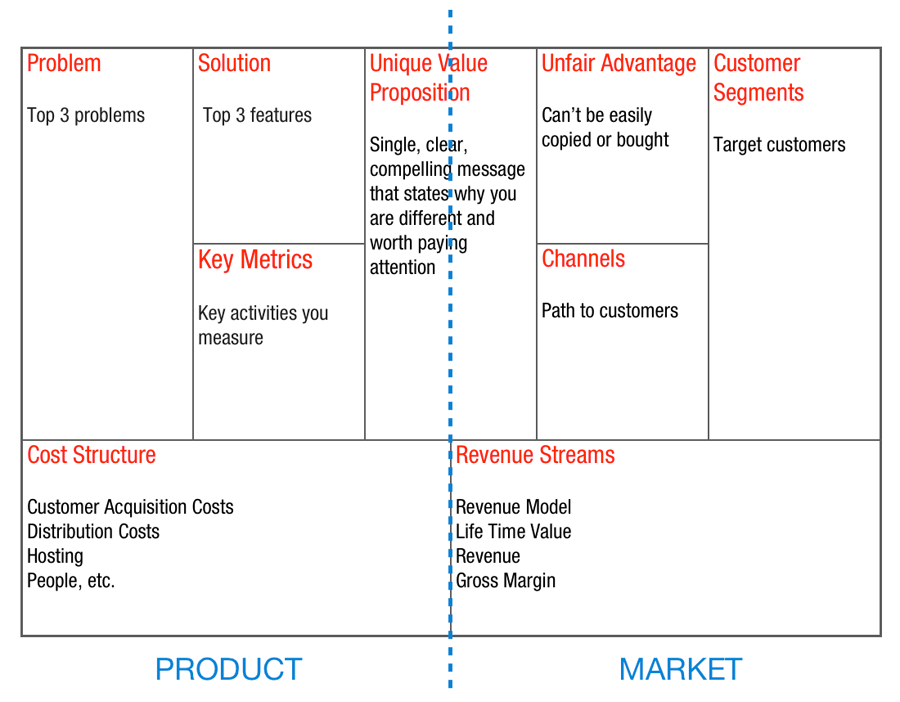
Once you have a cluster of validated friction points, you can deploy a model with advanced reasoning capabilities, like Claude 3.7 with its feature. You feed the friction point analysis into the model and give it a new goal: "Generate five blue-ocean business models that solve these specific problems for this specific audience."
The agent will draft business concepts, evaluate their potential weaknesses, and even outline key metrics for a minimum viable product (MVP). It might suggest a Chrome extension, a specialized newsletter, or a physical product. Because the process started with real, documented user pain, these ideas have a much higher chance of success than concepts born from a typical brainstorming session.
The agent isn't a replacement for your intuition. It's a force multiplier for it, giving you a curated list of high-potential ideas to apply your unique expertise and vision to.
This method flips the entrepreneurial script. You don't start with an idea you love and search for a market. You start with a market's pain and let an AI agent help you build the perfect solution.
What is the fundamental shift in using AI for business described in the text?
In the context of finding business opportunities, what are 'friction points'?