Ageless Skin Habits for Women Over 40
Skin Anatomy
Your Skin's Three Layers
Your skin is more than just a surface; it's a complex organ with three distinct layers, each with a specific job. Think of it like a three-story house.
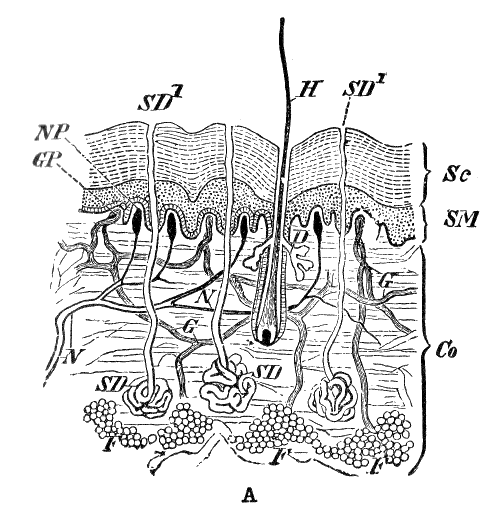
The top floor is the epidermis. This is the part you see and touch. It acts as a waterproof barrier, protecting the body from the outside world. The cells in this layer are constantly renewing themselves. New cells are born at the bottom of the epidermis and slowly travel to the surface, where they eventually flake off. This entire renewal process takes about a month.
The middle floor is the dermis. This is where the action happens. It contains tough connective tissue, hair follicles, and sweat glands. Most importantly, it's home to two proteins that give skin its youthful structure: collagen and elastin.
Finally, the foundation of the house is the subcutaneous tissue, or hypodermis. It's made of fat and connective tissue. This layer acts as an insulator, conserves your body's heat, and provides a cushion to protect your organs from shock.
The Architecture of Aging
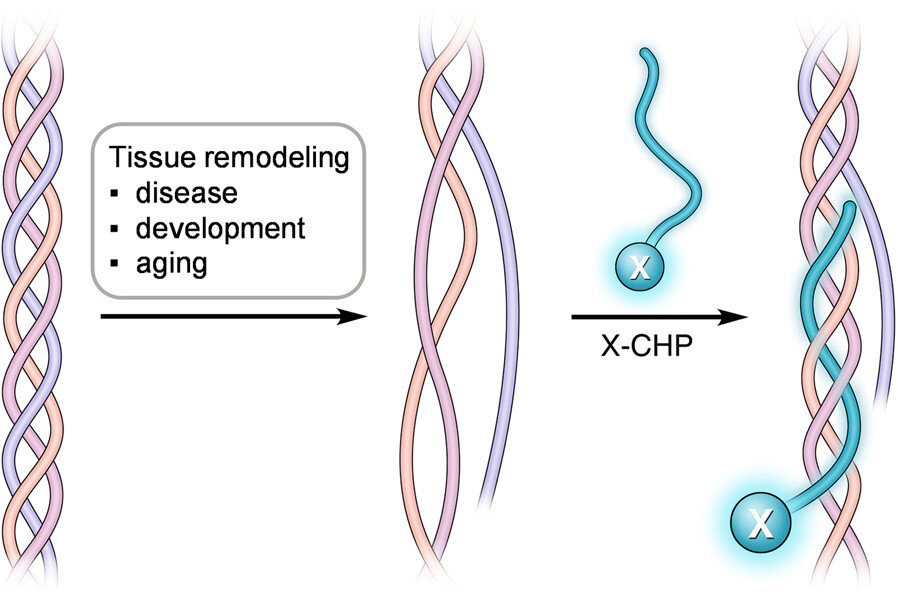
As we age, the structure of our skin changes. The most significant shifts happen in the dermis, the middle layer. The production of collagen and elastin, the proteins responsible for firmness and flexibility, slows down.
collagen
noun
The main structural protein found in skin and other connective tissues, providing strength and structure.
Collagen provides the skin's framework, like the studs in a wall. It gives skin its firmness and strength. Elastin, as the name suggests, is like a rubber band. It allows the skin to snap back into place after being stretched or pulled.
Starting in our mid-20s, our bodies produce about 1% less collagen each year. The existing collagen and elastin fibers also begin to break down, becoming more disorganized and weaker. This process accelerates for women around menopause.
Visible Signs of Change
These internal changes lead to the visible signs we associate with aging skin. With less structural support from collagen and less spring from elastin, the skin can't resist gravity and repetitive muscle movements as well as it used to.
This leads to three common concerns:
Wrinkles and Fine Lines: The skin creases and no longer bounces back as smoothly. The supportive structure in the dermis has weakened.
Loss of Elasticity: Skin may start to sag or feel less firm to the touch because the elastin fibers have degraded.
Dryness and Thinning: The epidermis renews itself more slowly, and oil glands in the dermis become less active. This can make the skin feel drier and look thinner, almost like parchment.
Understanding these changes is the first step. When you know why your skin is changing, you can better address its new needs.
| Internal Change | Visible Effect |
|---|---|
| Collagen production slows | Wrinkles, fine lines |
| Elastin fibers weaken | Sagging, loss of firmness |
| Slower cell turnover | Dullness, rough texture |
| Less active oil glands | Increased dryness |
Time to review the key terms we've just covered.
Now, let's test your knowledge.
Which layer of the skin contains the collagen and elastin fibers that provide structure and flexibility?
What is the primary function of elastin in the skin?
Knowing the anatomy of your skin and how it ages is fundamental. This knowledge empowers you to understand what's happening beneath the surface.