African Safari Adventure Planning
Introduction to African Safaris
What is a Safari?
The word 'safari' often brings to mind images of vast plains, acacia trees, and incredible wildlife. At its heart, a modern safari is a journey to observe animals in their natural habitat. But it's more than just a trip; it's an experience that connects you with the wild in a profound way.
journey
The term comes from the Swahili word for 'journey.' Historically, these were long expeditions, but today's safaris are focused on tourism and conservation. By visiting national parks and private reserves, you contribute directly to the protection of these fragile ecosystems and the animals that call them home. It's a chance to witness nature's drama unfold, untouched and unscripted.
A World of Wilderness
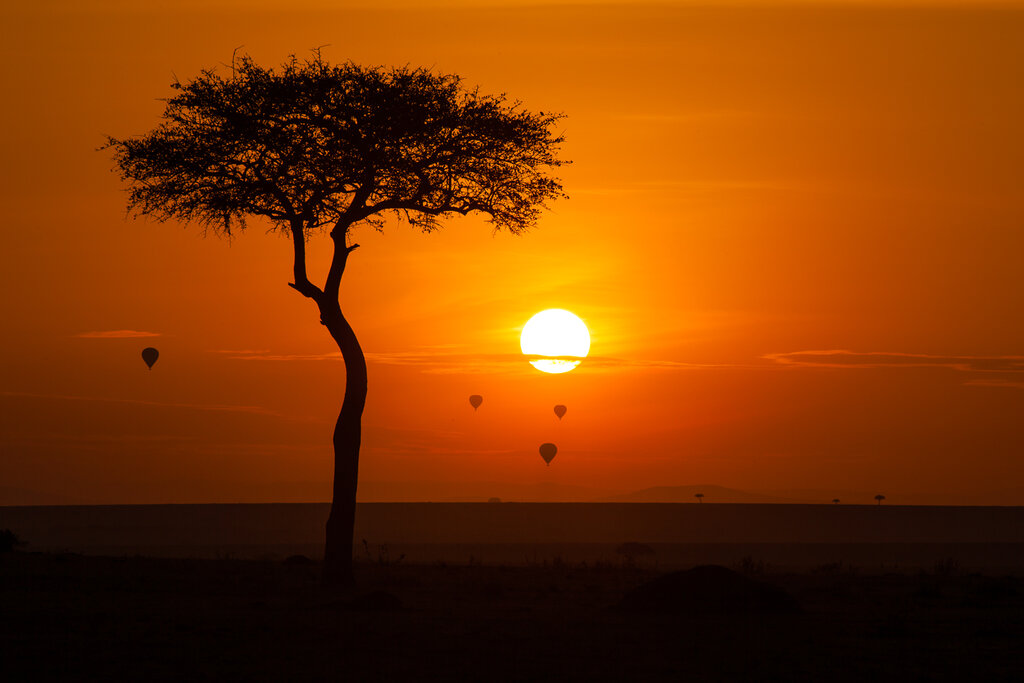
Africa is not a single landscape. It’s a continent of staggering diversity, and safaris showcase this incredible variety. You might find yourself in the endless grasslands of the savanna, watching a herd of elephants move silently across the horizon. These wide-open spaces are home to iconic predators like lions and cheetahs, along with vast herds of wildebeest, zebra, and giraffes.
In other regions, you could be navigating the winding channels of a lush wetland, like the Okavango Delta, where hippos surface in deep pools and colorful birds dart through the reeds. Then there are the dense forests, home to elusive leopards and primates like chimpanzees and gorillas. Each ecosystem offers a completely different cast of characters and a unique safari experience.
The Safari Experience
So, what do you actually do on safari? The cornerstone of most trips is the game drive. In a specially designed 4x4 vehicle, an expert guide helps you track and find wildlife. Morning drives often start before dawn, when animals are most active, while late afternoon drives catch the golden light as predators begin to stir for the night.
But the adventure doesn't stop there. Many camps offer walking safaris, where you can learn about smaller creatures, animal tracks, and medicinal plants from a guide on foot. Other options might include gliding silently along a river in a boat, getting eye-level with crocodiles and elephants, or even soaring above the plains in a hot air balloon for a bird's-eye view. The experience is about immersing yourself in the environment through all your senses.
There's nothing quite like the quiet thrill of watching a lioness lead her cubs through the grass, just meters from your vehicle.
Learning the Lingo
As you begin to explore safari options, you'll encounter some specific terms. Understanding them is the first step in planning your journey.
Game drive
noun
An excursion by vehicle, typically in the early morning or late afternoon, to view wildlife in its natural habitat.
Game drives are the classic safari activity, providing a safe and effective way to cover ground and see a wide variety of animals.
Big Five
noun
A term originally coined by hunters for the five most difficult African animals to hunt on foot: lion, leopard, rhinoceros, elephant, and Cape buffalo.
Today, the term is used by tour operators and guides to refer to some of the most sought-after wildlife sightings on a safari.
Other common terms you'll hear are lodge, which is a permanent, hotel-style accommodation, and tented camp, which offers a more immersive experience with canvas walls but often includes comforts like real beds and en-suite bathrooms.
Now that you have a grasp of the basics, you're ready to dive deeper. Let's test what you've learned.
What does the Swahili word 'safari,' from which the modern term originates, mean?
According to the text, what is a primary purpose of modern safaris beyond just tourism?
Understanding these core concepts is the foundation for planning the adventure of a lifetime. Every safari is a unique journey into the wild heart of Africa.