African Climate Incubator Legal Frameworks
Introduction to Climate Incubators
What Are Climate Incubators?
Think of a greenhouse for plants. It provides the perfect conditions—light, water, and nutrients—for a tiny seed to grow into something strong. A business incubator does the same thing, but for a brand-new company, or startup. It offers support to help a fragile idea blossom into a successful business.
A climate incubator is a specialized version of this. Instead of supporting just any startup, it focuses on new companies with ideas that help fight climate change. These could be ventures in renewable energy, sustainable agriculture, clean water, or waste reduction. Their main goal is to nurture innovations that can solve environmental challenges.
Essentially, a climate incubator helps grow businesses that are good for the planet.
How They Work
Climate incubators and innovation centers don't follow a single formula, but they generally provide a mix of crucial resources. They act as a launchpad, giving new companies access to things they couldn't get on their own.
This support system usually includes mentorship from experienced entrepreneurs and experts in climate technology. It also involves connecting startups with investors who can provide funding. Shared office space, technical equipment, and networking events are common perks, creating a community where founders can learn from each other. The structure can vary, but the goal is always to accelerate growth.
| Support Type | What It Provides |
|---|---|
| Mentorship | Guidance from industry experts and successful founders. |
| Funding Access | Introductions to investors and help with securing grants. |
| Networking | Connections to partners, customers, and other startups. |
| Workspace | Affordable office space and access to labs or equipment. |
| Business Training | Workshops on topics like marketing, finance, and management. |
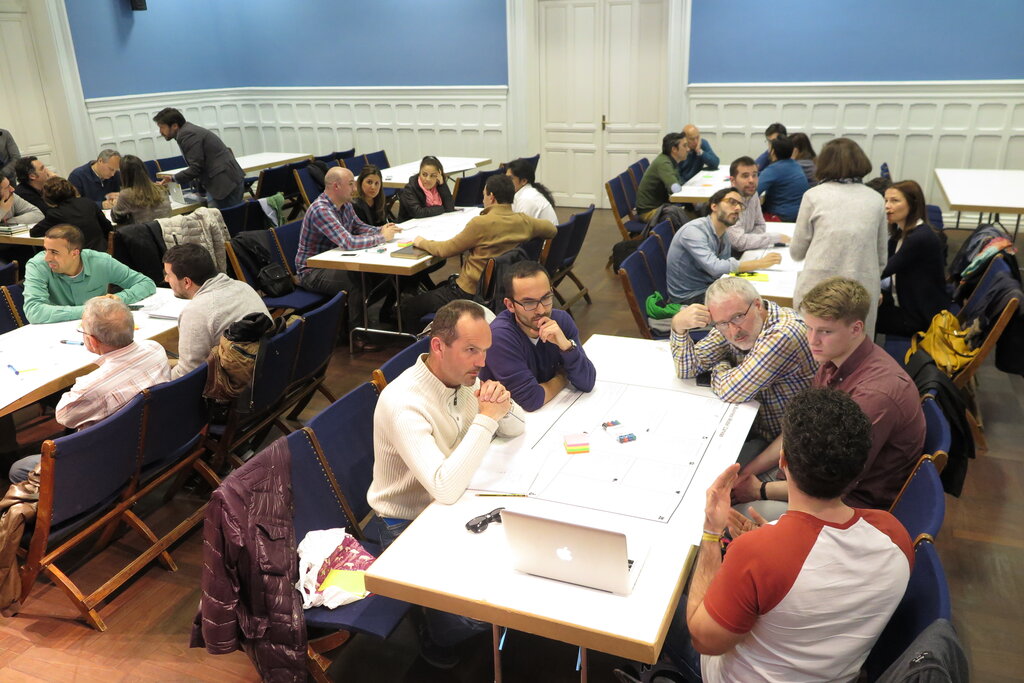
Fostering Green Startups in Africa
Across Africa, climate incubators are playing a vital role in turning local ingenuity into practical solutions. They empower entrepreneurs who understand the specific environmental challenges their communities face. For example, an incubator in Kenya might support a startup developing drought-resistant crops, while one in Nigeria could back a company that turns plastic waste into building materials.
By focusing on local needs, these hubs ensure that the solutions are relevant and effective. They provide the structure and resources needed to test, refine, and scale these green ideas into sustainable businesses.
Impact on Sustainable Development
The work of climate incubators goes beyond just launching new companies. It's directly tied to broader goals of sustainable development. When a startup succeeds, it can create jobs, improve public health, and build resilience against climate impacts like extreme weather and food shortages.
These ventures often introduce new technologies and business models that can transform entire industries. A company that makes solar-powered irrigation pumps, for instance, helps farmers conserve water and increase their yields, contributing to both economic stability and food security.
Empowering young innovators with the mindset, skills, and opportunities to build sustainable African businesses.
By nurturing a new generation of green entrepreneurs, these innovation centers help build a more sustainable and prosperous future from the ground up.
Ready to check your understanding?
What is the primary function of a climate incubator?
According to the text, which of the following is a key reason climate incubators in Africa are particularly effective?
Climate incubators are a critical part of the ecosystem for climate innovation, providing the necessary support to transform promising ideas into impactful solutions.