African Agriculture Fundamentals
African Agricultural Ecosystems
A Continent of Climates
Africa's immense size means it doesn't have one single climate, but many. From steamy rainforests along the equator to vast, dry deserts and mild Mediterranean coastlines, the continent's geography is incredibly varied. This diversity of environments is the single most important factor shaping what can be grown and raised, dictating the rhythm of life for millions of farmers.
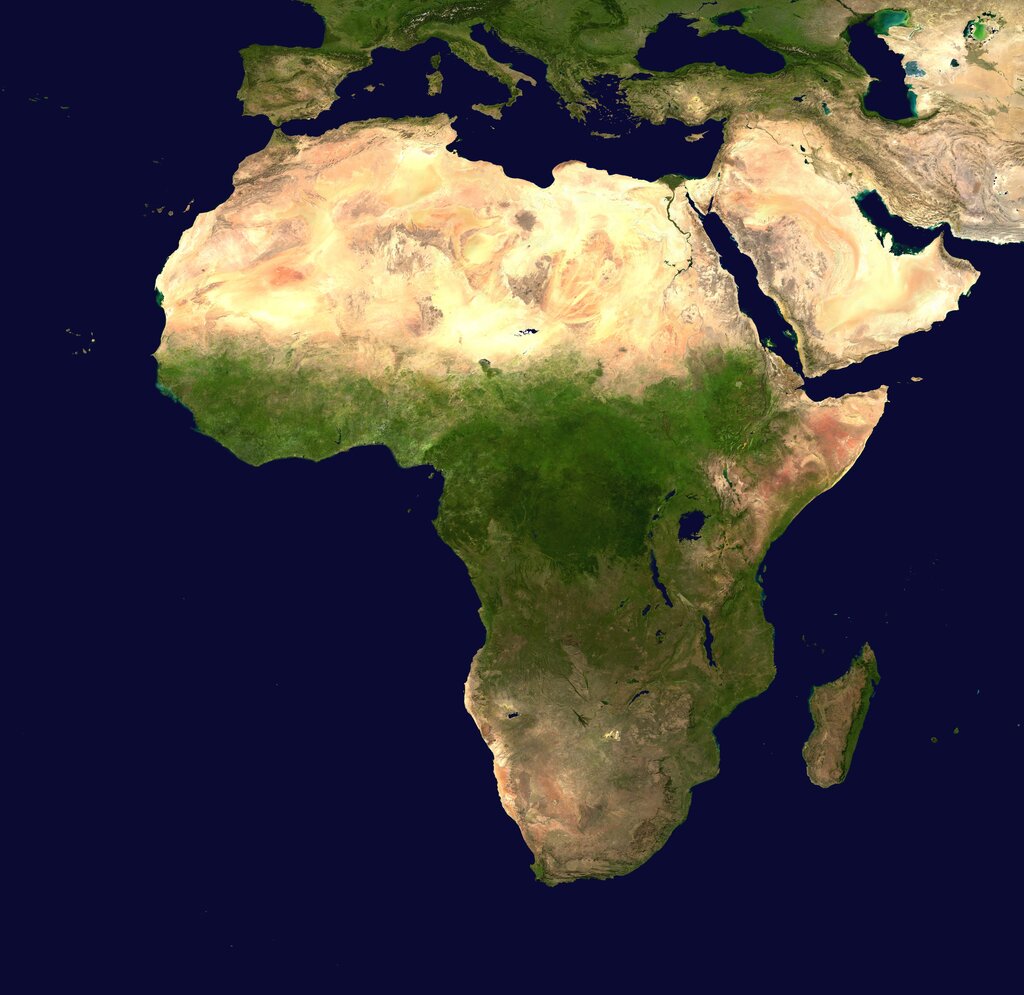
Farmers have adapted their methods and crops to these different conditions over centuries. The amount of rainfall, the length of the growing season, and the quality of the soil all determine what is possible. Let's explore some of Africa's major agricultural zones and the unique ways people cultivate the land in each.
Farming the Equator
The equatorial region, including the Congo Basin and coastal West Africa, is defined by its tropical rainforest climate. Here, rain falls year-round, humidity is high, and temperatures are consistently warm. The dense forest canopy creates a unique environment where traditional farming often involves clearing small patches of land for cultivation.
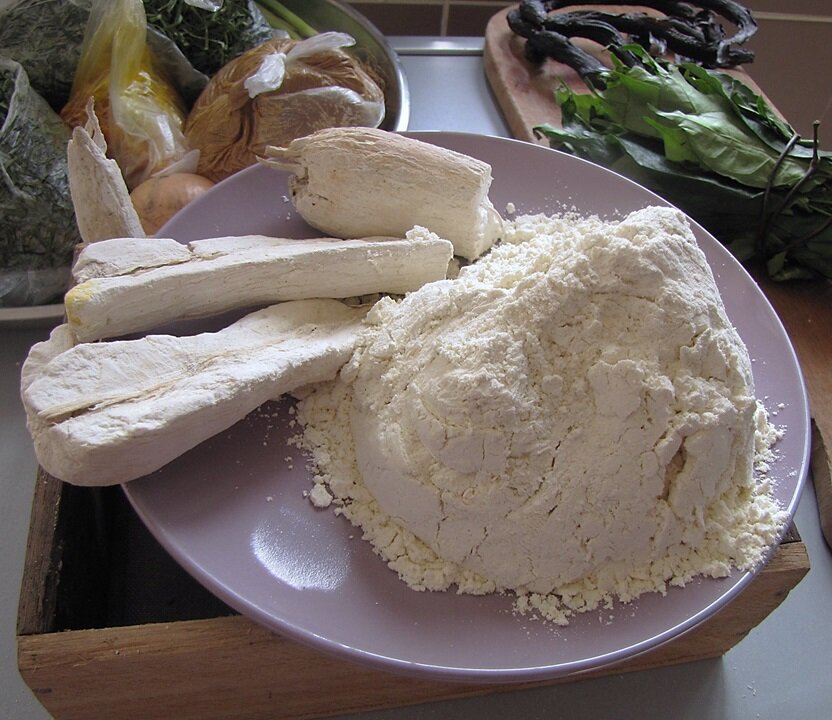
This climate is ideal for growing root crops, or tubers, which thrive in the moist soil. These form the foundation of the local diet.
| Crop Type | Examples |
|---|---|
| Root Crops | Cassava, Yams, Taro |
| Tree Crops | Cacao, Coffee, Oil Palm, Rubber |
| Fruits | Bananas, Plantains, Mangoes |
Farming practices like agroforestry, where crops are grown among trees, are common. This method helps protect the soil from heavy rains and preserves biodiversity. Livestock is less common in this zone due to the prevalence of diseases like trypanosomiasis, carried by the tsetse fly.
Life on the Savanna
Stretching north and south of the equatorial forests are the savannas, vast grasslands with distinct wet and dry seasons. These are some of Africa's most important agricultural lands. The seasonal rains determine the entire farming calendar, from planting to harvest.
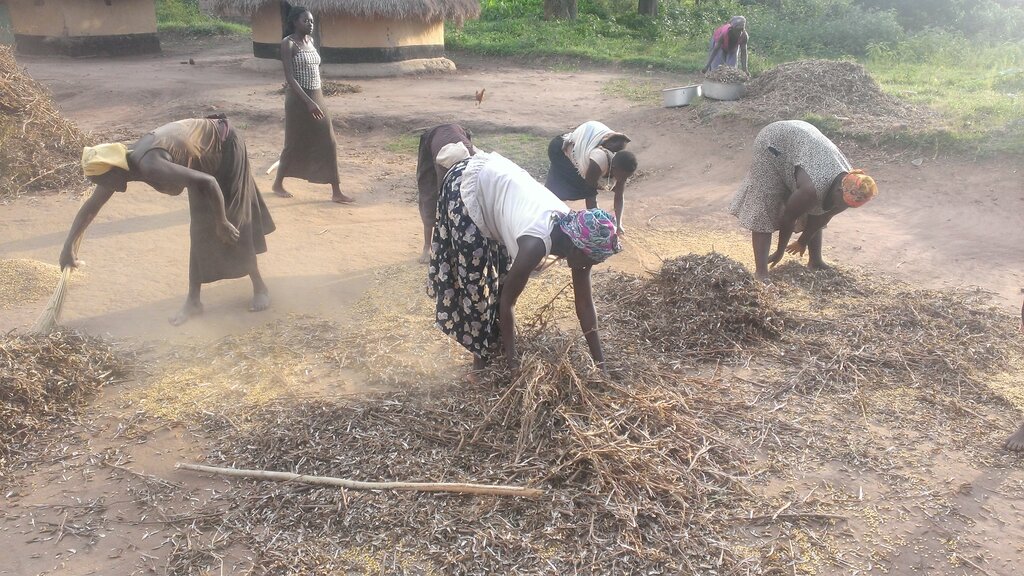
The reliable, though seasonal, rainfall makes this region perfect for growing grains. These cereals are staple foods that can be dried and stored for use during the long dry season.
Major savanna grains include maize (corn), sorghum, and millet. Other important crops are cotton, peanuts, and cowpeas.
The open grasslands of the savanna are also ideal for raising livestock. For many communities, cattle, goats, and sheep are not just a source of food but also a symbol of wealth and cultural importance. Pastoralism, the practice of moving herds to find fresh pasture and water, is a traditional way of life perfectly adapted to the savanna's seasonal shifts.
Cultivating the Edges
Africa also has zones of more extreme or specialized climates at its northern and southern tips and in its vast deserts.
The northern coast along the Mediterranean Sea and the southwestern tip in South Africa enjoy a Mediterranean climate. With warm, dry summers and mild, wet winters, this climate is excellent for growing crops like olives, grapes, wheat, and citrus fruits. These are regions with long histories of trade and agriculture stretching back thousands of years.
In contrast, the great deserts like the Sahara in the north and the Kalahari in the south present enormous challenges for farming. Agriculture here is possible only in specific locations.
In deserts, farming is confined to oases, where underground water sources support the cultivation of date palms, figs, and some vegetables. Along major rivers like the Nile, seasonal floods have historically deposited fertile silt, enabling intensive agriculture for millennia.
Understanding these diverse ecosystems is the first step to appreciating the complexity and richness of agriculture across the African continent.