Affordable Shade Roof Repair
Roofing Basics
More Than Just a Lid
A roof is the most fundamental part of any shelter. Its primary job is to protect what's underneath from the elements. For a simple shade structure, that means blocking the sun's harsh rays. For a house, it means keeping out rain, snow, and wind, while also helping to keep the building structurally sound.
Think of a roof as the building's first line of defense. It bears the brunt of the weather, day in and day out. But it also defines the character of a structure, giving it a distinct shape and style.
What's It Made Of?
Roofing materials have come a long way from simple thatch or slate. Today, there's a wide variety of options, each with its own look, lifespan, and cost. The right material depends on the climate, the building's design, and the budget.
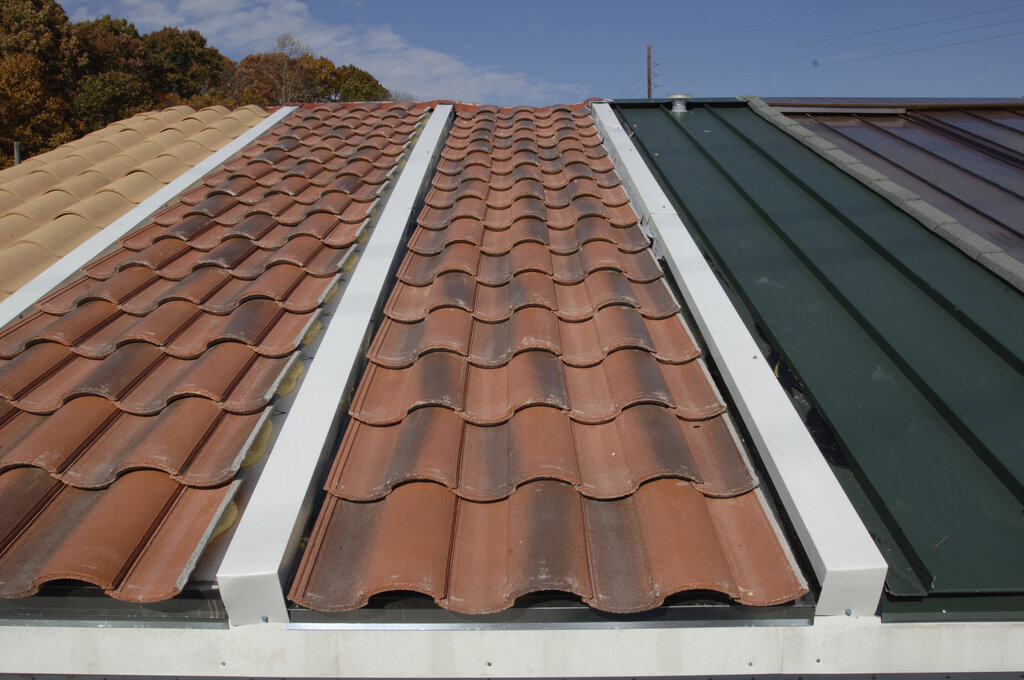
Here are a few common types you'll see:
| Material | Key Feature |
|---|---|
| Metal | Durable and reflects heat well. |
| Asphalt Shingles | Very common and cost-effective. |
| Clay or Concrete Tiles | Extremely durable and fire-resistant. |
| Wood Shingles/Shakes | Offers a natural, rustic aesthetic. |
| Polycarbonate Panels | Lightweight and allows sunlight through. |
For simple shade structures, lighter materials like metal panels, polycarbonate sheets, or even durable outdoor fabric are popular choices. They provide effective shade without needing the heavy support structure that tiles or slate would require.
The Shape of Shelter
The shape of a roof is about more than just style; it's about function. The primary design principle is managing water. A sloped roof uses gravity to shed rain and snow, directing it away from the structure's foundation. The steepness of this slope is called its pitch.
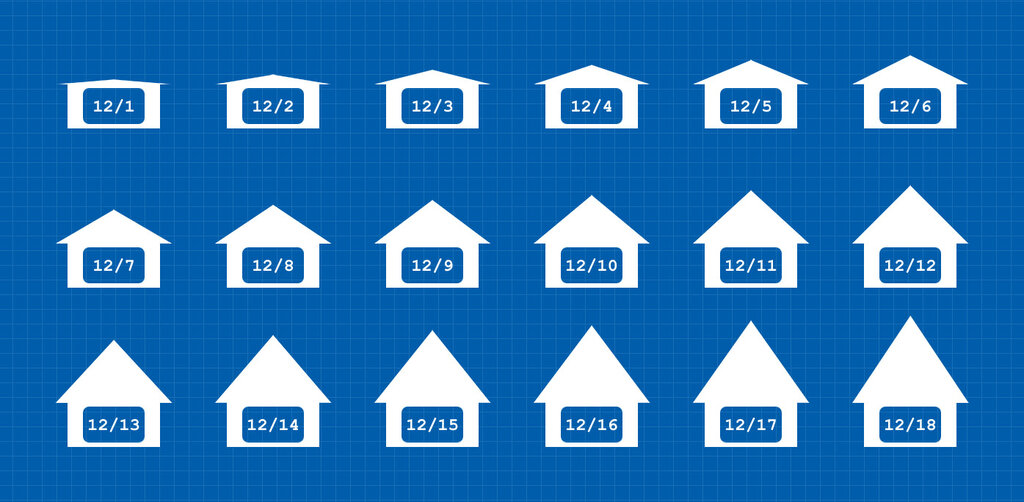
A flat roof, despite its name, isn't perfectly flat. It has a very slight slope to guide water toward drains. These are common on commercial buildings and in arid climates where rainfall is less of a concern.
Gabled roofs are the classic triangular shape you might draw as a kid. They are simple to build and are great at shedding water. Hip roofs have slopes on all four sides, offering better bracing against high winds. For basic shade structures, a simple, single-sloped roof (often called a shed roof) is a common and effective design.
Understanding these core functions, materials, and shapes is the first step in designing any effective roof, whether for a sprawling house or a simple backyard shade structure.