Aerospace System Integration and Testing
Introduction to Aerospace Systems Engineering
The Big Picture
Building an airplane or a satellite isn't like assembling a piece of furniture. You can't just focus on one part at a time. Instead, aerospace engineering uses a holistic approach, looking at the entire system from the very beginning. Think of it like conducting an orchestra. A beautiful symphony isn't just about the violins or the trumpets playing their parts well; it's about how all the instruments play together in harmony. If the timing of one section is off, the whole performance suffers.
In aerospace, a "system" is more than just the physical craft. It includes the ground control crew, the launch equipment, the maintenance procedures, and even the pilots or astronauts. Systems engineering is the art and science of making sure every single piece, from a tiny screw to a massive rocket engine, works together seamlessly with all the other parts and people involved.
From Idea to Orbit and Back
Every aerospace system has a life, from the spark of an idea to its eventual retirement. This is known as the system lifecycle, and it guides the project through several distinct stages.
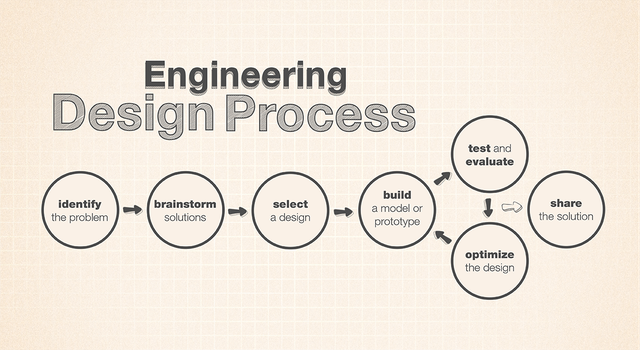
First is the concept phase. This is where engineers define the mission. What problem needs solving? Are we building a satellite to observe weather patterns or a plane to transport cargo more efficiently? This leads to the design phase, where the initial idea is turned into detailed blueprints and specifications.
Next comes development and manufacturing. This is the hands-on stage where the parts are built, assembled, and put together to form the complete system. After that, the system enters the operations phase—its active life. This is when the plane is flying passengers, the rocket is launching payloads, or the Mars rover is exploring another world.
Finally, every mission comes to an end. The disposal phase plans for the system's retirement. This could mean safely de-orbiting a satellite so it burns up in the atmosphere, recycling parts of an old aircraft, or parking a spacecraft in a distant, stable orbit.
A High-Flying Jigsaw Puzzle
An aerospace vehicle is a complex puzzle with many interconnected pieces called subsystems. The success of the entire system depends on how well these subsystems are integrated. Let's look at three of the most critical ones.
Aerodynamics: This is the science of how air moves around an object. It dictates the shape of the wings and body of an aircraft to generate lift and minimize drag.
Propulsion: This is the engine. It's the system that generates thrust to push the vehicle through the air or into space, whether it's a jet engine, a propeller, or a rocket.
Structures: This is the skeleton of the vehicle. It must be strong enough to withstand the immense forces of flight but light enough to be efficient.
These subsystems can't be designed in isolation. A decision to use a more powerful (and heavier) engine affects the structural design, which in turn might change the aerodynamic shape. The systems engineer's job is to manage these trade-offs, ensuring that all the pieces of the puzzle fit together perfectly to achieve the mission's goals.
Rules of the Road
Engineers don't start a project by just sketching ideas on a napkin. The entire process is guided by a clear set of rules called requirements. A requirements-driven design process means that every decision is made to satisfy a specific, measurable goal.
Effective requirements management is foundational to systems engineering.
Requirements can be simple or complex. For example:
- The aircraft must be able to fly 6,000 miles without refueling.
- The satellite's communication system must transmit data at 100 megabits per second.
- The crew capsule must protect astronauts from temperatures up to 3,000°F during reentry.
These requirements form a checklist that guides the entire design and building process. Hand-in-hand with this is risk management. At every stage, engineers ask, "What could go wrong?" They identify potential failures—a software bug, a structural weakness, a supply chain delay—and develop strategies to prevent them or minimize their impact.
Finally, the human factor is a crucial piece of the puzzle. Systems are ultimately built for and operated by people. A cockpit display must be intuitive for a pilot to read during an emergency. A spacesuit must allow an astronaut enough dexterity to perform repairs. Designing with the human user in mind is essential for ensuring safety and mission success.
In aerospace engineering, what best defines a 'system'?
Which of the following correctly lists the phases of the aerospace system lifecycle in order?