Aerospace Materials Sales Mastery
Aerospace Materials Overview
The Bones of Flight
Building an aircraft is a balancing act. The materials must be strong enough to withstand incredible forces, yet light enough to lift off the ground. Every kilogram counts. This is why aerospace engineers are so selective about what they use. Two of the most important materials in their toolkit are steel and titanium.
The Strength of Steel
Steel has been a backbone of industry for centuries, and for good reason. It's incredibly strong, durable, and relatively inexpensive. But the steel used in a skyscraper is not the same as the steel in a jet engine. Aerospace-grade steel is an alloy, meaning it's mixed with other elements like chromium, nickel, or molybdenum to enhance specific properties.
These additions make the steel tougher, more resistant to heat, and less prone to corrosion. Its sheer strength and hardness make it indispensable for parts that take a beating.
Alloy
noun
A metal made by combining two or more metallic elements, especially to give greater strength or resistance to corrosion.
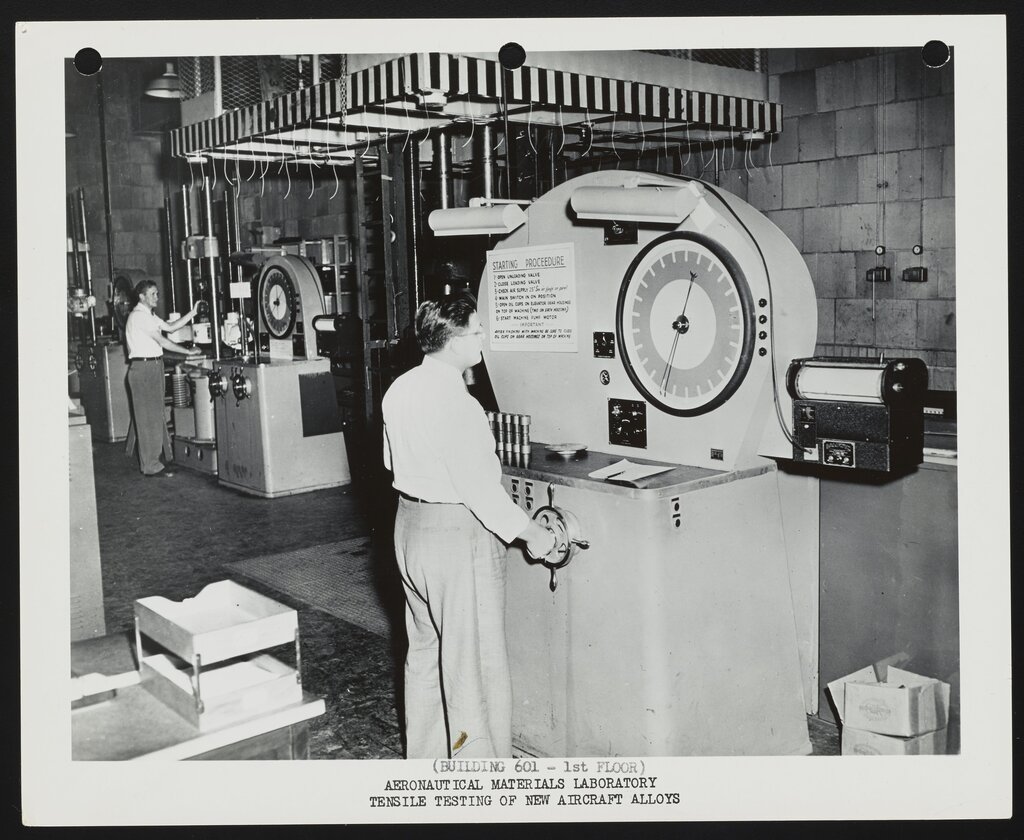
Think about an airplane's landing gear. It has to support the entire weight of the aircraft during landing, an event that generates immense, sudden stress. Steel's ability to resist deformation and wear makes it the perfect choice for this high-impact job. You'll also find it in critical fasteners and bearings that hold the aircraft together.
Lightweight and Resilient Titanium
Titanium is the star when it comes to the strength-to-weight ratio. It offers the muscle of steel at about half the weight. This property alone makes it incredibly valuable in aerospace, where reducing weight directly translates to better fuel efficiency and performance.
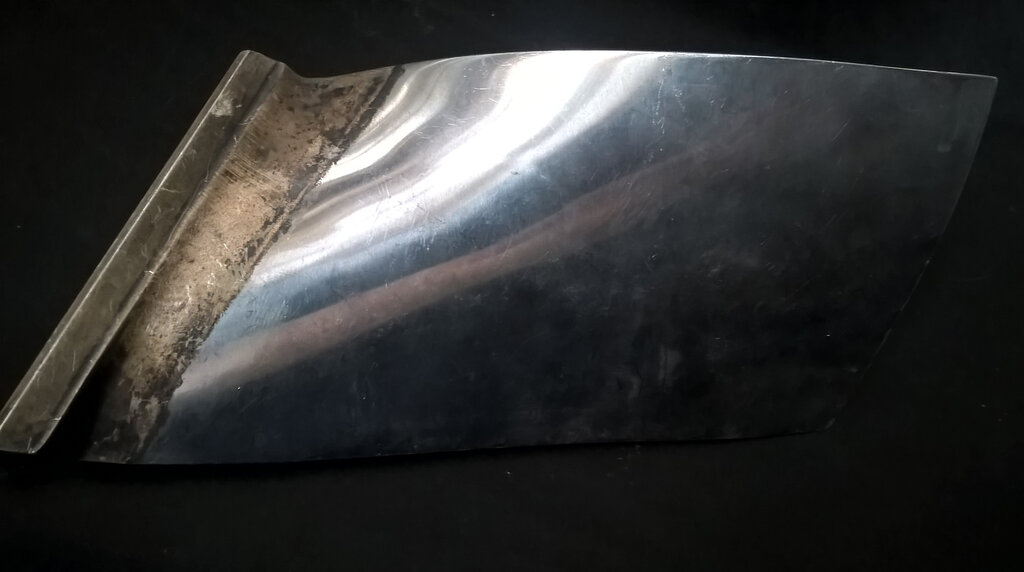
Beyond its lightness, titanium has another superpower: corrosion resistance. It forms a stable, protective oxide layer on its surface, making it nearly immune to rust and corrosion from salt water and other environmental factors. It also performs exceptionally well at high temperatures, which is crucial for engine components that operate under extreme heat.
As strong as steel but only about half as heavy, titanium alloys are used extensively in the aerospace and automotive industries, not only for their light weight and ultimate tensile strength, but also because titanium is durable and not susceptible to corrosion.
Because of this unique combination of properties, titanium alloys are used for major structural parts like wing frames, engine fan blades, and fuselage components. Anywhere strength is needed without the penalty of excess weight, titanium is often the answer.
Choosing the Right Material
If titanium is so great, why not build the whole plane out of it? The main reason is cost. Titanium is significantly more expensive to extract and machine than steel. Engineers must perform a careful cost-benefit analysis for every single component.
For a part like landing gear, the unparalleled hardness and lower cost of steel outweigh the weight savings of titanium. For a fan blade inside a jet engine, the high temperature resistance and low weight of titanium are worth the extra expense. The final aircraft is a carefully engineered mosaic of materials, each chosen to do its job perfectly.
| Feature | Aerospace Steel | Titanium Alloys |
|---|---|---|
| Strength-to-Weight | Good | Excellent |
| Corrosion Resistance | Moderate (Improved by alloying) | Excellent |
| Heat Resistance | Very Good | Excellent |
| Cost | Lower | Higher |
Let's see what you've learned about these essential materials.
What is the primary advantage of using titanium over steel in aerospace applications?
For which of the following components would steel be the most likely material choice?
Understanding the unique characteristics of steel and titanium is fundamental to appreciating the engineering marvels that are modern aircraft.