Aerosol Manufacturing Financial Modeling in Nepal
Aerosol Supply Chain Strategy
Strategic Sourcing from Regional Hubs
For aerosol manufacturing in Nepal, the primary sourcing hubs for raw materials are India and China. Each offers distinct advantages depending on the component. Nepal's landlocked geography makes overland trade with these neighbors the most viable option.
Aluminum and tinplate containers are sourced from both countries. Indian suppliers often provide shorter lead times due to proximity, while Chinese manufacturers might offer lower unit costs, especially for large, standardized orders. Specialized components like valves and actuators, which require precision engineering, have a more concentrated supplier base. Reputable firms in both India and China specialize in these parts, but vendor selection requires careful vetting of quality control processes and material specifications.
Propellants are a critical, and often hazardous, component. For products like body sprays and repellents, Liquefied Petroleum Gas (LPG) is a common choice. Due to transport regulations and safety, sourcing LPG from nearby Indian refineries is standard practice. For other applications, Dimethyl Ether (DME) might be used, which can be sourced from specialized chemical producers in either India or China. The choice often depends on the specific formulation and desired spray characteristics.
| Component | Primary Sourcing (India) | Primary Sourcing (China) | Key Considerations |
|---|---|---|---|
| Aluminum/Tinplate Cans | Shorter lead times, easier logistics | Potentially lower unit cost, vast selection | Quality of lining, pressure rating, tooling costs |
| Valves & Actuators | Proximity for technical support | Competitive pricing, innovation | Compatibility with propellants, leak rates |
| Propellants (LPG, DME) | Indian refineries (esp. LPG) | Specialized chemical plants | Purity standards, transport safety regulations |
The Birgunj-Kolkata Corridor
The logistical backbone for Nepalese imports is the trade corridor connecting the port of Kolkata, India, to the in Nepal. Sea freight from China or other global sources arrives at Kolkata and is then transloaded onto trucks or rail for the final overland leg to Birgunj. This is the primary entry point for the majority of industrial raw materials.
Transit times through this corridor are a major variable in supply chain planning. While the sea journey from China to Kolkata is predictable, the overland segment can face delays. Factors like road conditions, border congestion, and customs processing times can add days or even weeks to the total lead time. An average transit time from Kolkata to Birgunj is typically 5-10 days, but planners must account for potential variability.
Calculating Total Landed Cost
The price from the supplier is only the beginning. To understand the true cost of materials, manufacturers must calculate the —the total expense of getting a product from the factory door to their own warehouse. This includes the base cost of goods, insurance, freight charges (both sea and land), and, crucially, Nepalese import duties.
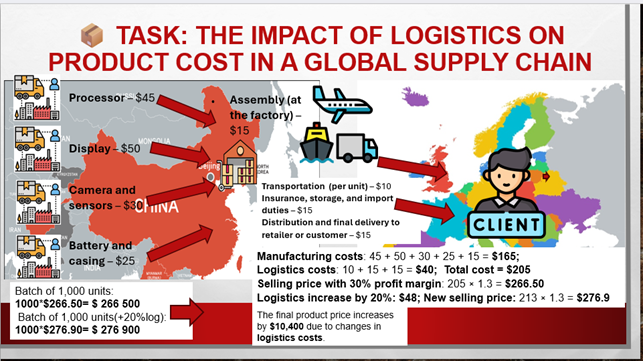
Nepal's customs tariff structure is based on the Harmonized System (HS). Each component has a specific HS Code that determines the applicable duty rate. These codes are standardized internationally, but the duty rates are set by the Nepalese government. Accurately classifying products is essential for both legal compliance and cost forecasting.
| Component | Illustrative HS Code | Typical Import Duty (Nepal) |
|---|---|---|
| Aluminum Cans | 7612.90.10 | 15% |
| Plastic Caps/Actuators | 3923.50.00 | 30% |
| Aerosol Valves | 8481.80.90 | 5% |
| Propellants (LPG) | 2711.13.00 | 10% |
Note: HS codes and duty rates are subject to change. Always consult the latest tariff schedule from the Nepal Department of Customs.
Vendor Management and Optimization
Choosing the right supplier for specialized parts like valves and actuators goes beyond price. Key criteria include their quality assurance programs, technical support, ability to customize, and reliability in meeting delivery schedules. A cheap valve that fails under pressure can ruin an entire production batch and damage brand reputation.
Given the logistical complexities and potential for delays, optimizing lead times and managing inventory are paramount. Sophisticated supply chain modeling can help determine optimal order quantities and reorder points to minimize the risk of stockouts. This involves balancing the cost of holding inventory against the risk of production shutdowns. Some companies explore strategies like maintaining buffer stocks of critical components or qualifying secondary suppliers to build resilience.
A practical approach for mitigating sourcing risk suggests that two suppliers should be used with meaningful quantities allocated to both (at least 25% of orders to each), and that the suppliers’ manufacturing, warehouse and distribution sites are not all in the same region.
Now, let's test your understanding of these strategic sourcing concepts.
What are the two primary countries from which Nepalese aerosol manufacturers source their raw materials?
What is the primary trade corridor for sea-freighted goods from China to enter Nepal?
By carefully managing sourcing, logistics, and costs, aerosol manufacturers in Nepal can build a resilient and competitive supply chain, even with the challenges of a landlocked environment.