Aerobic Granular Sludge Wastewater Treatment
Introduction to Aerobic Granular Sludge
A New Way to Clean Water
Wastewater treatment is all about using helpful microorganisms to break down pollutants. For a long time, the standard method involved keeping these microbes in fluffy, cloud-like clusters called flocs. This works, but it's slow and takes up a lot of space. A newer technology, called aerobic granular sludge (AGS), offers a major upgrade.
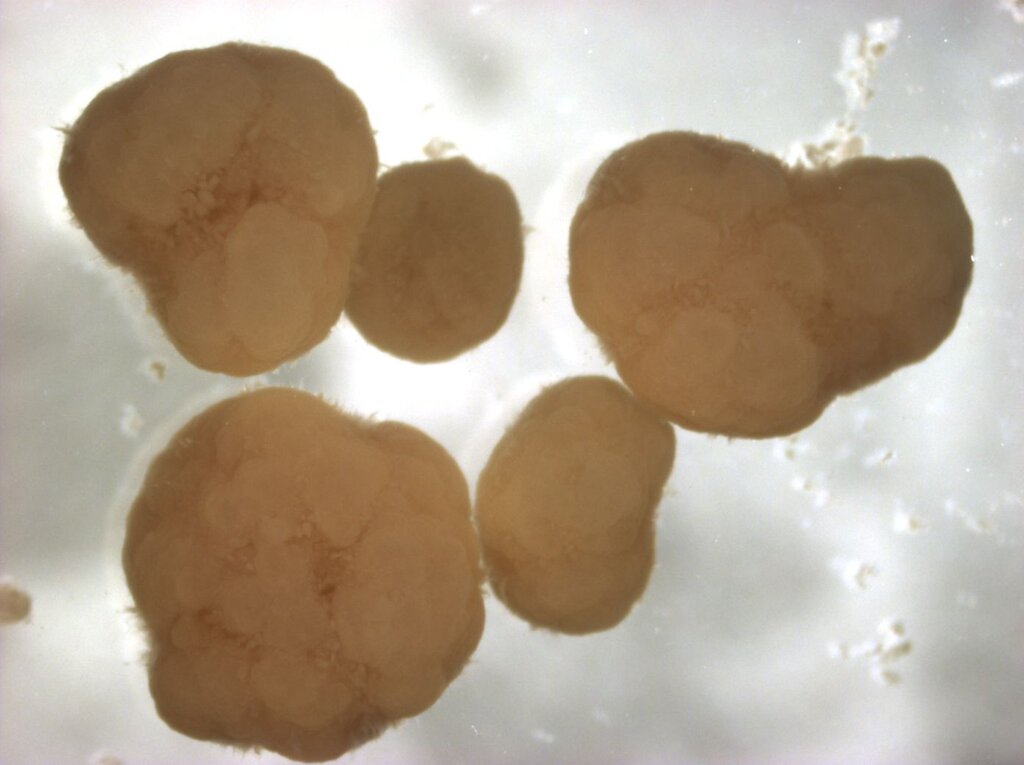
Imagine tiny, self-contained cities of bacteria. That's essentially what aerobic granules are. They are dense, compact aggregates of various microorganisms that form naturally under the right conditions. Instead of floating around loosely, these microbes band together into tight, spherical structures. This structure allows different types of bacteria to work together efficiently, removing a wide range of contaminants from the water.
Better Than the Old Way
The traditional method, known as the conventional activated sludge (CAS) process, relies on those loose flocs. While effective, these flocs settle very slowly, which means large tanks, called clarifiers, are needed to separate the clean water from the sludge. The process is effective but inefficient in terms of space and energy.
Aerobic granular sludge is fundamentally different. The granules are dense and heavy, so they settle dramatically faster than conventional flocs. Think of the difference between dropping a handful of feathers and a handful of pebbles into water. This rapid settling is the key to many of AGS technology's advantages.
| Feature | Conventional Activated Sludge (CAS) | Aerobic Granular Sludge (AGS) |
|---|---|---|
| Structure | Loose, fluffy flocs | Dense, compact granules |
| Settling Speed | Slow | Very Fast |
| Footprint | Large (requires separate settling tanks) | Small (treatment and settling in one tank) |
| Pollutant Removal | Often requires multiple stages | Simultaneous removal of multiple pollutants |
| Biomass Retention | Moderate | High |
Because granules settle so quickly, the entire treatment process can happen in a single reactor, eliminating the need for separate, large settling tanks. This significantly reduces the physical footprint of a treatment plant, a huge benefit in crowded urban areas. The compact structure of the granules also creates different environmental zones within each granule. This allows for the simultaneous removal of organic carbon, nitrogen, and phosphorus in one go, something that often requires multiple steps in conventional systems.
How Granules Are Formed
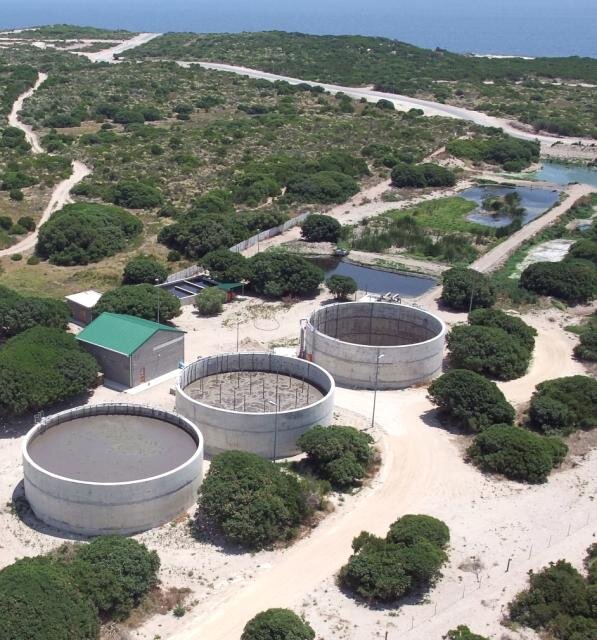
These powerful granules don't just appear on their own. They are cultivated in a specific environment called a sequencing batch reactor, or SBR. An SBR is a type of reactor that operates in cycles, with each cycle consisting of a series of distinct phases. This controlled, cyclical process is what encourages the microbes to clump together into granules.
The key is creating a 'feast and famine' environment. First, wastewater (the 'feast') is added to the reactor. Then, during a reaction phase, air is supplied, and the microbes get to work breaking down pollutants. After the feast comes a short settling period where the heaviest microbes sink to the bottom. Finally, the clean water is drawn off the top, leaving the settled microbes behind, ready for the next 'famine' period before the cycle repeats. This selective pressure—where only the microbes that settle quickly remain—is what drives the formation of dense, stable granules over time.
By understanding and applying these basic principles, engineers can cultivate highly efficient microbial granules, leading to smaller, more effective wastewater treatment plants.
Let's check your understanding of these new concepts.
What is the primary physical characteristic that distinguishes aerobic granular sludge (AGS) from conventional activated sludge (CAS)?
The 'feast and famine' cycle in a Sequencing Batch Reactor (SBR) is crucial for cultivating aerobic granules.
This powerful technology represents a significant step forward, offering a more sustainable and efficient way to clean our water.