Advocacy in Bangladesh
Introduction to Advocacy
What It Means to Advocate
Advocacy is, at its core, the act of speaking up. It’s the process of supporting a cause or proposal, whether it’s for yourself, another person, or a whole community. It’s about identifying an issue and working to create change. This can happen in a town hall meeting, in the halls of government, or through a conversation with a neighbor.
advocacy
noun
The act or process of supporting a cause or proposal; the act or process of advocating for something.
The goal of advocacy is to influence decisions and bring about change. Without it, many of the social shifts and legal protections we see today would not exist. It is the engine that drives progress by giving a voice to ideas and to people who might otherwise go unheard. Advocacy ensures that diverse perspectives are included in conversations that shape our society.
Advocacy transforms individual concerns into collective action, creating a powerful force for change.
Different Paths to Change
Advocacy isn't a one-size-fits-all activity. It takes many forms, each suited to different goals and situations. The two main branches are policy advocacy and social advocacy. Though they often overlap, they focus on different arenas of influence.
| Type | Focus | Key Activities |
|---|---|---|
| Policy Advocacy | Changing laws, regulations, and government policies. | Lobbying, legal action, policy research, meeting with officials. |
| Social Advocacy | Changing public attitudes, behaviors, and social norms. | Awareness campaigns, community organizing, public protests, media outreach. |
Policy advocacy targets the formal structures of power. Its aim is to shape the legal and regulatory environment. This could mean working to pass a new law that protects clean water, or campaigning to change a local ordinance about public parks. It requires a deep understanding of the political process and often involves direct engagement with lawmakers and government officials.
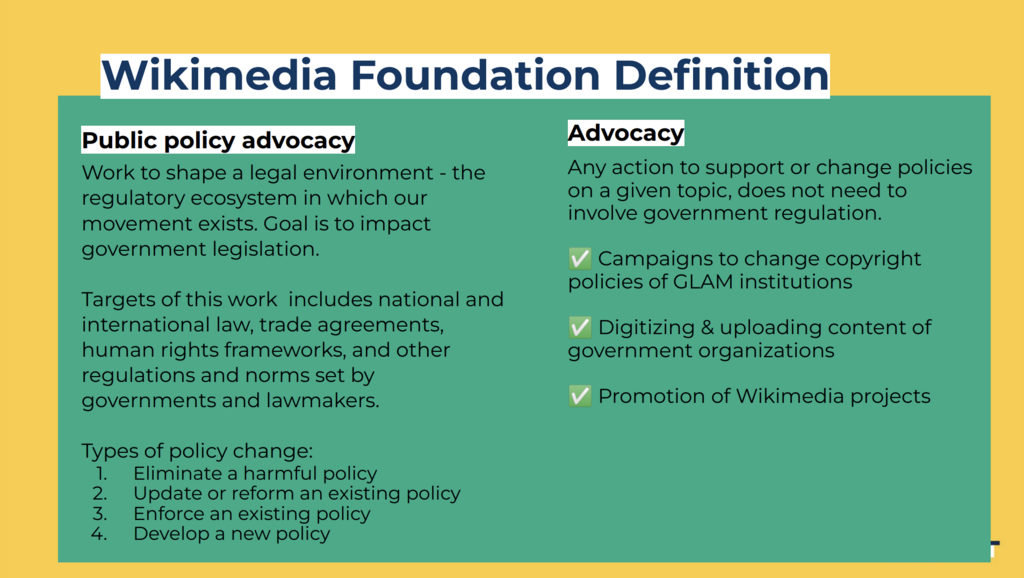
Social advocacy, on the other hand, is about winning hearts and minds. It operates at the grassroots level, seeking to build public support and shift cultural understanding. Examples include campaigns to reduce stigma around mental health or movements that encourage sustainable living. This type of advocacy builds the social momentum that can make policy change possible.
Advocating Responsibly
With the power to influence comes a great deal of responsibility. Ethical advocacy is built on a foundation of honesty, respect, and a commitment to the well-being of the community you aim to serve. It's not just about winning an argument; it's about creating positive, sustainable change.
Effective advocacy means representing a cause truthfully and transparently. Your credibility is your most valuable asset. Always base your arguments on accurate information and be clear about your goals and who you represent.
Another key principle is respect for autonomy. The goal is to empower people, not to speak for them without their consent. Advocacy should amplify the voices of those affected by an issue, ensuring they are central to the decision-making process. It involves listening as much as it involves speaking.
Actionable Tip: Before attempting to persuade, establish clear ethical boundaries by asking three questions: Is the information accurate? Is the outcome beneficial to all parties? Is the approach respectful of autonomy?
Understanding these foundations—what advocacy is, the forms it can take, and the ethical lines to follow—is the first step in becoming an effective agent for change.