Advertising Essentials
Introduction to Advertising
What Is Advertising?
At its core, advertising is communication with a purpose. It’s a way for a person or organization to send a message, trying to persuade an audience to take a specific action. This action could be buying a product, using a service, or even just adopting a new idea.
Advertising
noun
A paid, non-personal form of communication from an identified sponsor, using mass media to persuade or influence an audience.
Let's break that down.
- Paid: This isn't word-of-mouth. Someone is paying to get the message out there.
- Non-personal: The message is sent out to a broad audience, not just one individual.
- Identified sponsor: You always know who is behind the ad. Coca-Cola doesn't hide the fact that they're trying to sell you a Coke.
From a pop-up ad on your phone to a billboard on the highway, it's all designed to catch your attention and influence your choices.
A Quick Trip Through Time
Advertising isn't new. For as long as people have had things to sell, they've looked for ways to tell others about them. In ancient cities, town criers shouted public announcements, and merchants carved symbols into their storefronts to show what they sold—a picture of a boot for a shoemaker, for instance.
The invention of the printing press in the 15th century was a massive leap forward. Suddenly, messages could be copied and distributed widely. The first newspaper ads appeared in the 1600s, mostly simple text notices.
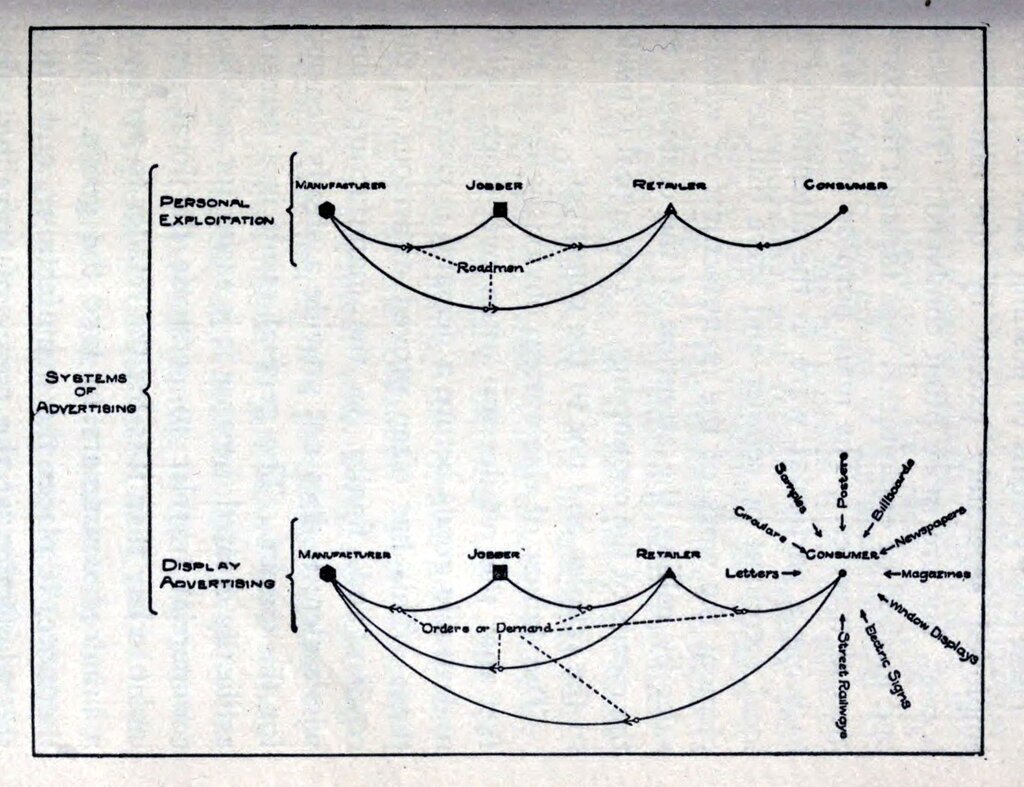
The Industrial Revolution in the 18th and 19th centuries changed everything again. Factories could produce huge quantities of goods, creating a need for mass demand. This is when brands began to form, and advertising became a true business, helping to distinguish one company's soap or canned soup from another's.
The 20th century brought radio and then television, allowing advertisers to reach millions of people in their homes with sights and sounds. The "Mad Men" era of the 1960s is often seen as the golden age of creative advertising. Finally, the internet and digital technology have created a new frontier, allowing for highly targeted and interactive ads that can follow us almost anywhere.
What's the Point of It All?
Advertising serves several key functions in business and society. It's not just about selling things; it's a powerful tool with a wide range of uses.
First and foremost, it plays a huge role in marketing. Advertising is the most visible part of the "promotional mix"—the set of tools a company uses to communicate with customers. It builds awareness for a brand, highlights what makes a product special, and ultimately drives sales. It's how a company tells its story to the world.
Advertising also has an important economic function. It fuels competition by allowing new companies to challenge established ones. It helps the economy grow by encouraging spending and creating jobs in marketing, media, and design. It's also the financial engine that powers much of our media. Your favorite websites, TV shows, and magazines are often free or cheaper because they are supported by ad revenue.
Finally, advertising serves an educational and social function. It informs us about new products, sales, and features, helping us make better purchasing decisions. Beyond products, it can be used for the public good. Public service announcements (PSAs) encourage people to wear seatbelts, quit smoking, or support important causes.
Different Flavors of Ads
Not all ads are created equal. They can be categorized based on their goals and who they are trying to reach.
Product vs. Brand Advertising Some ads focus on a specific item. A commercial that shows off the new features of a smartphone is product advertising. Its goal is immediate: to convince you to buy that phone.
Brand advertising, on the other hand, is about building a long-term image or feeling. Think of Nike's "Just Do It" campaign. It rarely focuses on a single shoe. Instead, it promotes an idea of determination and athletic achievement, which makes you feel good about the brand as a whole.
Product ads say, "Buy this." Brand ads say, "Believe in us."
Consumer vs. Business-to-Business (B2B) This distinction is all about the audience. Consumer advertising targets everyday people like you and me. Ads for cereal, cars, and vacations fall into this category.
B2B advertising is aimed at other companies. An ad for industrial machinery, office software, or consulting services isn't meant for the general public. The messaging is often more technical and focuses on how a product or service can help a business improve efficiency, save money, or increase profits.
| Category | Target Audience | Goal | Example |
|---|---|---|---|
| Consumer Advertising | General Public | Drive personal purchases | A TV commercial for a new soda. |
| B2B Advertising | Businesses & Professionals | Drive business purchases | A magazine ad for accounting software. |
Understanding these basic concepts is the first step in seeing how advertising works. It's a complex and ever-changing field, but its fundamental principles of persuasion and communication have remained constant for centuries.