Advancing Your Yoga Practice
Anatomical Alignment Refinement
Beyond the Shape
You've moved past the basics. You know the names of the poses and can hold them without wobbling—most of the time. Now, the practice deepens. The goal shifts from simply making a shape with your body to understanding the why behind that shape. This is where true stability, strength, and safety begin.
The ideas of consciously stacked joints to protect all the good stuff in and around them, alignment from the crown of your neck down to the bottoms of your feet, and activation of the Bandhas — feet flexed, belly up and in, pelvic floor lifting — are the roots of your entire practice.
Refining your alignment means thinking like an architect. How do you stack your joints to distribute weight efficiently? Which muscles need to engage to support that structure, and which can relax? This internal awareness, or proprioception, transforms a pose from a static hold into a dynamic, intelligent action. It’s the difference between merely surviving in Warrior III and truly commanding it.
The Pelvis as Your Foundation
Nearly every pose begins or ends with the position of your pelvis. Its orientation dictates the curve of your spine and the engagement of your core. Understanding pelvic tilt is fundamental to protecting your lower back and unlocking deeper expressions of poses.
Think of your pelvis as a bowl of water. If you tip it forward, water spills out the front—this is an anterior tilt. Your low back arches more, and your glutes stick out. If you tip it backward, water spills out the back—this is a posterior tilt. Your low back flattens, and your tailbone tucks under.
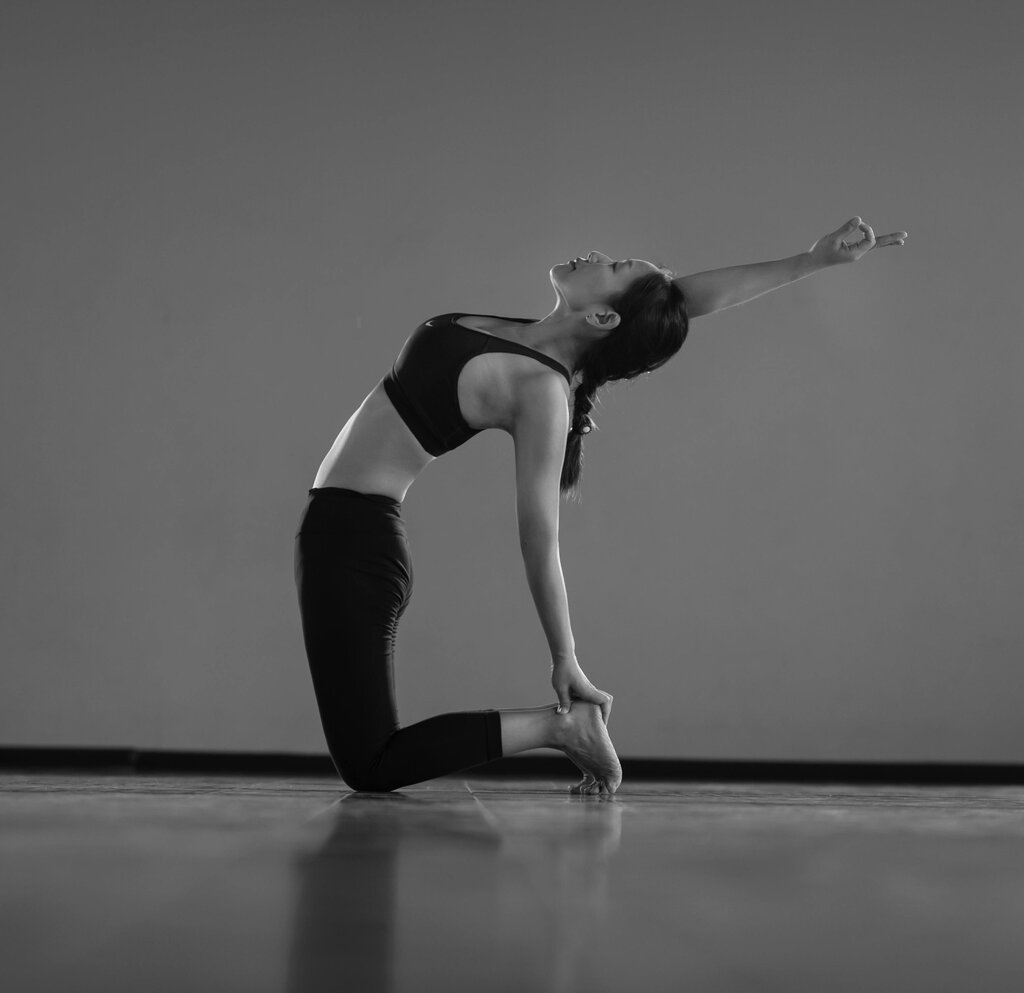
In backbends like Camel Pose (Ustrasana), a slight anterior tilt is necessary to help lengthen the front of the body and create a more even arch through the thoracic (upper) spine, preventing compression in the low back. Conversely, in forward folds like Paschimottanasana, the goal is to initiate the fold by tilting the pelvis anteriorly, hinging from the hips, not by rounding the lumbar spine. In core work, a posterior tilt helps engage the lower abdominals.
Shoulder Girdle Stability
For any pose where you bear weight on your hands—from Downward Dog to Crow Pose—the stability of your shoulder girdle is paramount. This isn't just about arm strength; it's about the intelligent engagement of the muscles around your scapulae (shoulder blades).
In arm balances and inversions, your shoulders become your hips. They need to be just as stable and integrated.
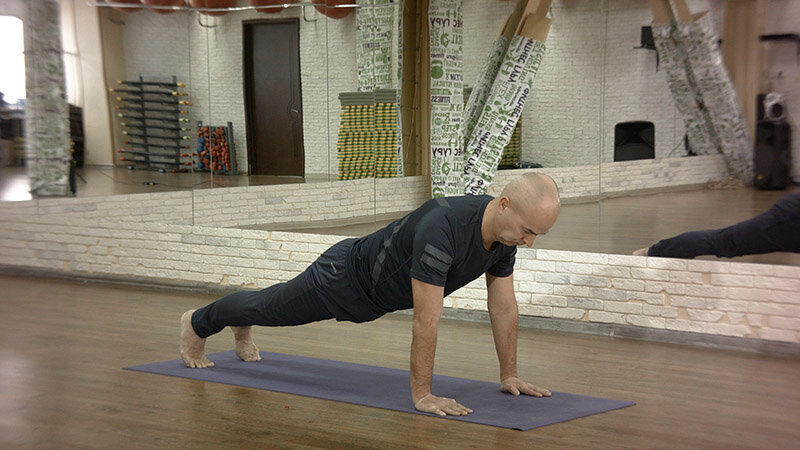
Consider Chaturanga Dandasana. The common mistake is to let the shoulders dip below the elbows and the shoulder blades squeeze together. This collapses the chest and puts immense pressure on the rotator cuff. Instead, the focus should be on protraction and depression. Protract by pushing the floor away, broadening the space between your shoulder blades. Depress by drawing your shoulders away from your ears.
This creates a strong, stable shelf across your upper back. In Crow Pose (Bakasana), this same protraction is what lifts you. You push the ground away so forcefully that your upper back rounds slightly, engaging the serratus anterior and allowing your hips to become light.
Core, Hips, and Legs
Stability doesn't come from one muscle group alone. It’s a full-body conversation, especially in standing balances like Warrior III (Virabhadrasana III). Here, alignment is about creating one long, integrated line of energy from your heel to your fingertips.
The psoas major, a deep core muscle connecting your spine to your leg, plays a huge role. It's a primary hip flexor. In Warrior III, the psoas of the standing leg works to stabilize your pelvis and torso, while the psoas of the lifted leg helps maintain hip flexion to keep the leg from dropping. A common error is opening the hip of the lifted leg, which breaks the alignment. The key is to keep the pelvis neutral—both hip points aiming straight down at the floor.
In deep lunges, knee and hip alignment is critical. In a pose like Low Lunge (Anjaneyasana), ensure the front knee stacks directly over the ankle. Allowing the knee to drift past the ankle places stress on the joint. Simultaneously, work on squaring the hips to the front of the mat to get a true stretch in the hip flexors of the back leg.
By shifting your focus from the external shape to these internal mechanics, your practice will become safer, stronger, and more sustainable.
Test your understanding of these key biomechanical concepts.
What is the term for the internal awareness of your body's position and movement in space?
When initiating a forward fold like Paschimottanasana (Seated Forward Bend), which action is key to protecting the lower back?
Moving beyond mimicry and into mindful alignment unlocks a new level of your practice. It is a continuous process of refinement and internal listening.