Advancing Your French Fluency
Mastering Past Tenses
Telling Stories in the Past
When telling a story in English, you might say, "It was raining when I left the house." You naturally use two different kinds of past tense. One sets the scene (it was raining), and the other describes a specific, completed action (I left). French makes this distinction even more explicit with two key tenses: the passé composé and the imparfait.
Think of it like a movie. The imparfait is the establishing shot—the scenery, the background music, what characters were doing. The passé composé is the action—the events that drive the plot forward.
The passé composé is for finished actions. It's the backbone of your narrative, listing the things that happened. You form it with an auxiliary verb (avoir or être) in the present tense, plus a past participle. For example, J'ai mangé (I ate) or Je suis allé (I went).
The imparfait, on the other hand, describes ongoing states, habits, or background details in the past. It answers questions like "What was the weather like?" or "What used to happen every summer?" For example, Il pleuvait (It was raining) or Nous allions à la plage (We used to go to the beach).
Getting the Details Right
While the concept is straightforward, the passé composé has some rules you need to master. The trickiest part is making the past participle agree with the subject or object. The rule depends on which auxiliary verb you use: avoir or être.
Most verbs use avoir. With avoir, the past participle usually doesn't change. However, it must agree in gender and number with a direct object if that object comes before the verb. It sounds complicated, but it's logical. Look at this sentence:
J'ai vu la voiture. → Je l'ai vue.
Because la voiture (feminine) becomes l' and moves before the verb, the participle vu changes to vue to match it.
A specific group of verbs, mostly related to movement or changes of state, use être as the auxiliary. With these, the past participle always agrees with the subject.
Il est allé au magasin. (He went to the store.) Elle est allée au magasin. (She went to the store.) Ils sont allés au magasin. (They, masculine, went to the store.) Elles sont allées au magasin. (They, feminine, went to the store.)
Many of these verbs are part of a helpful mnemonic called .
Reflexive verbs, which describe actions you do to yourself (like se laver, to wash oneself), also always use être. The agreement rules are the same as with other être verbs—the past participle matches the subject.
Je me suis levé. (I got up.) Elle s'est lavée. (She washed herself.)
Weaving a Narrative
The real power of these two tenses comes when you use them together. Certain words can signal which tense to use. For example, (suddenly) almost always introduces a passé composé verb because it marks a specific, abrupt event.
On the other hand, pendant que (while) often sets up a background action using the imparfait while another action, in the passé composé, interrupts it.
Il lisait (imparfait) pendant que le téléphone a sonné (passé composé). (He was reading when the telephone rang.)
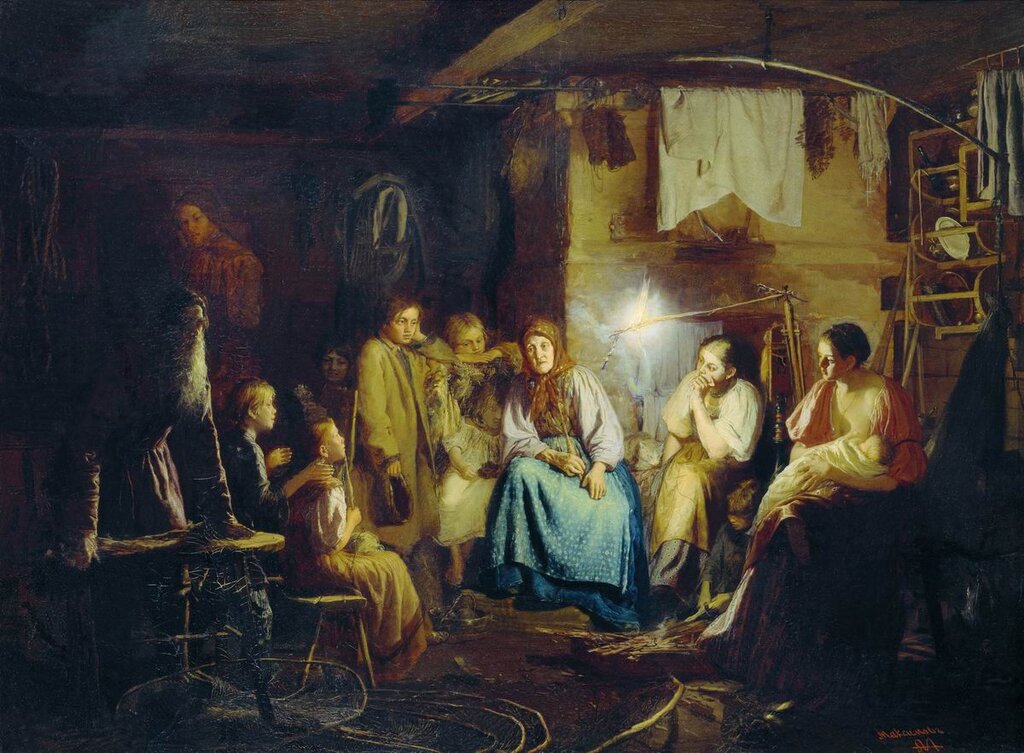
Notice how the imparfait (il lisait) describes the ongoing scene, and the passé composé (a sonné) describes the single event that broke the continuity. Mastering this interplay is the key to telling rich, detailed stories in French.
Ready to see how well you can tell a story? This quiz will test your ability to choose the right past tense.
Which past tense in French is used to describe specific, completed actions that form the main storyline?
The imparfait is used for all of the following EXCEPT:
With these tools, you can now move beyond simple statements and start to build compelling narratives about the past.