Advancing Your Cybersecurity Defense
Modern Network Architecture
Beyond the Castle Walls
For decades, network security followed the castle-and-moat model. A strong outer wall, the perimeter firewall, protected everything trusted inside from the untrusted world outside. This worked when everyone and everything was physically inside the castle. But today, the workforce is remote, applications live in the cloud, and countless devices connect from anywhere. The perimeter has dissolved.
This new reality demands a different approach. Instead of assuming everything inside the network is safe, we now assume breach. This is the core philosophy of (ZTA). It's a strategic shift that trusts no one by default, whether they're inside or outside the network. Every access request must be continuously verified before granting access to resources.
A Zero Trust approach should extend throughout the entire digital estate and serve as an integrated security philosophy and end-to-end strategy.
Building Internal Borders
If you assume an attacker is already inside, the next logical step is to limit how far they can go. This is the goal of micro-segmentation. Instead of having one large, flat network where everything can talk to everything else, micro-segmentation divides the network into small, isolated zones.
Think of it like a submarine. If one compartment floods, watertight doors seal it off to prevent the whole vessel from sinking. Similarly, if one server is compromised in a micro-segmented network, the breach is contained within that tiny segment. This strategy is highly effective at preventing — an attacker's ability to move from a compromised machine to other systems within the network.
Segmentation can be implemented with various technologies. Virtual LANs (VLANs) provide a basic level, but modern approaches use firewalls or more advanced software-defined methods. The key is to enforce the principle of least privilege, allowing only the minimum necessary communication between zones.
The Smarter Gatekeeper
Traditional firewalls make decisions based on port and IP address, like a bouncer checking IDs at the door. A (NGFW) is more like a security chief who knows who you are, what you're carrying, and what you plan to do inside. NGFWs go beyond simple packet filtering by inspecting the actual content of the traffic.
Key features that distinguish an NGFW include:
- Deep Packet Inspection (DPI): Examines the data within the packets, not just the headers.
- Application Awareness: Can identify and control access based on the specific application (e.g., block Facebook but allow Salesforce), regardless of the port being used.
- Intrusion Prevention System (IPS): Actively scans for and blocks known attack patterns and malicious signatures in real-time.
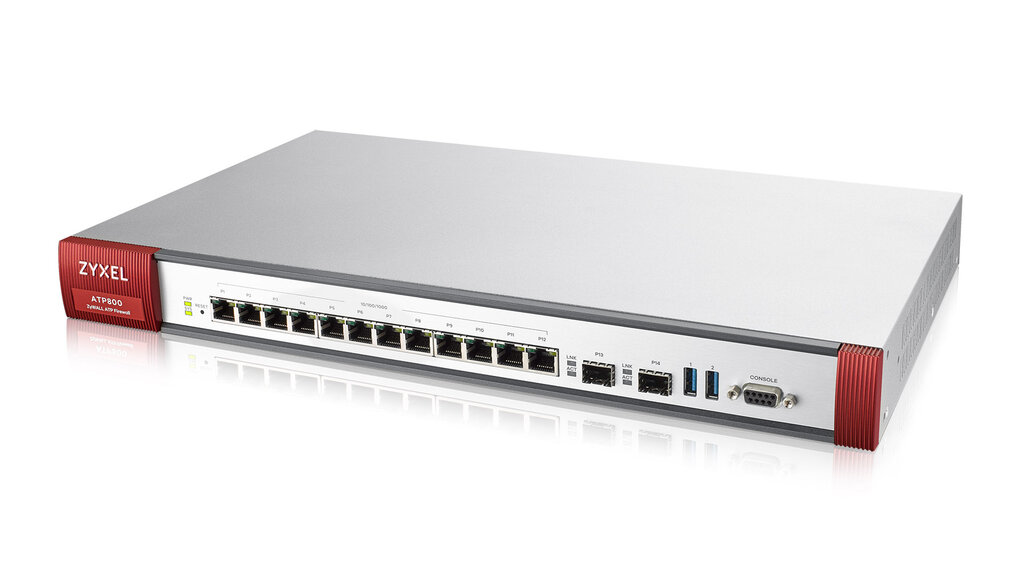
Placing an NGFW at the network edge is standard practice, but in a Zero Trust model, they are also deployed internally to enforce micro-segmentation policies. An IPS, often integrated into an NGFW, requires careful tuning. An overly aggressive policy can block legitimate traffic, while a weak one can miss real threats. It's a constant balance of analyzing alerts, creating exceptions, and updating signatures.
To review the key ideas we've covered, let's use some flashcards.
Now, let's test your understanding of these architectural concepts.
What is the core philosophy of a Zero Trust Architecture (ZTA)?
The primary goal of micro-segmentation is to prevent an attacker's ability to move from a compromised machine to other systems within the network. This type of movement is known as __________.
By combining the philosophy of Zero Trust with the practical application of micro-segmentation and intelligent tools like NGFWs, security architects can build networks that are resilient, adaptable, and far more difficult for attackers to compromise.