Advancing Your Chess Strategy
Tactical Pattern Recognition
Forcing the Issue
Beyond simply moving pieces, chess mastery comes from seeing patterns that create immediate threats. These are called forcing moves. They are actions so urgent—like a check or a direct capture—that your opponent has very few good ways to respond. This narrows down the possibilities and lets you predict their next move.
By stringing together a series of these moves, you create a tactical combination. Instead of just reacting, you're dictating the flow of the game, forcing your opponent to dance to your tune. The simplest forcing moves are checks and captures, but the real magic lies in more complex patterns.
Tactics are short, forcing sequences—like forks, pins, skewers, and discovered attacks—that win material or deliver checkmate in just a few moves.
The Pin
A pin is a tactic where an attacking piece prevents an enemy piece from moving. If the defending piece moves, a more valuable piece behind it will be exposed to capture. This effectively paralyzes the pinned piece.
There are two kinds of pins. An is when the piece shielded behind the pinned piece is the king. In this case, moving the pinned piece is illegal. A relative pin is when the piece behind is valuable, but not the king (like a queen or a rook). The pinned piece can legally move, but it's usually a bad idea.
Recognizing pins is crucial. When your opponent's pieces are lined up, look for opportunities to pin them with your rooks, bishops, or queen. Conversely, always be aware of your own pieces to avoid getting pinned yourself.
Skewers and Forks
A skewer is like a pin in reverse. Instead of attacking a less valuable piece that's shielding a more valuable one, you attack the valuable piece first. When the valuable piece moves out of the way to safety, the less valuable piece behind it is captured. It's also known as an X-ray attack.
In a pin, the valuable piece is behind. In a skewer, the valuable piece is in front.
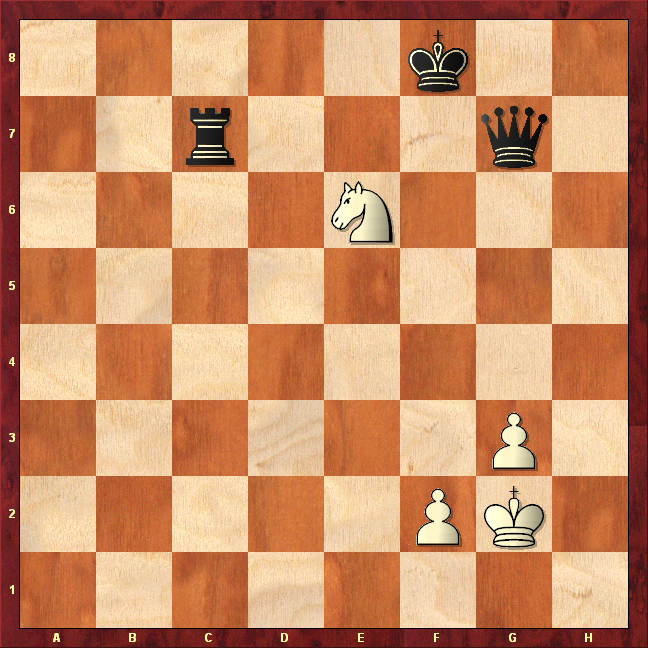
While skewers work along a line, forks strike in multiple directions at once. A fork is a single piece that attacks two or more of your opponent's pieces simultaneously. The opponent can usually only save one of their pieces, losing the other.
Though any piece can technically deliver a fork, the knight is the master of this tactic due to its unique L-shaped move. A well-placed can be devastating, often winning a queen or rook for just a knight.
Unmasking Attacks
Some of the most powerful tactics involve an ambush. A discovered attack happens when one piece moves out of the way to reveal an attack from another piece that was previously blocked. The moving piece can simultaneously create its own threat, confronting the opponent with two problems at once.
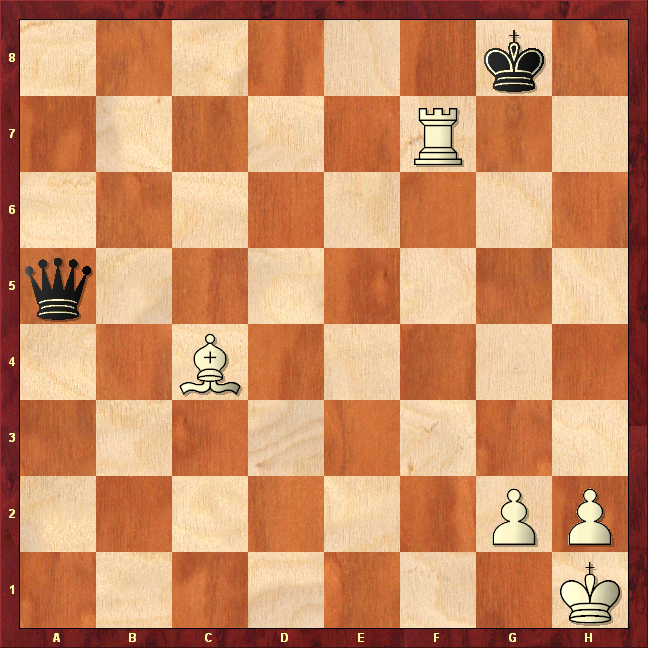
The most powerful type of discovered attack is the s. This occurs when the moving piece and the uncovered piece both give check to the enemy king. A double check is incredibly forcing because the king is under attack from two directions. Blocking or capturing one of the attacking pieces won't work, as the king would still be in check from the other. The only legal move is to move the king.
Learning to see these tactical patterns—pins, skewers, forks, and discovered attacks—is about training your brain to recognize shapes and relationships between pieces. With practice, you'll start spotting them instantly, turning a quiet position into a winning one with a single, brilliant move.
What is the primary characteristic of a "forcing move" in chess?
If your Rook attacks an enemy Knight, and moving that Knight would expose the enemy King behind it to an attack from your Rook, this situation is known as an _________ pin.