Advancing Your Chess Strategy
Opening Principles
The Battle for the Center
The first few moves of a chess game aren't just a warm-up; they're a fight for control. The most valuable territory on the board is the center, specifically the squares e4, d5, d4, and e5. Think of these four squares as the high ground in a battle. From here, your pieces can strike out in any direction, pivot from attack to defense, and restrict your opponent's options.
Controlling the center gives your pieces maximum mobility and influence.
A piece in the center simply does more work. A knight on the edge of the board, for example, can only move to a few squares. Place that same knight in the center, and it suddenly controls eight squares, radiating power across the board. The goal in the opening is to use your pawns and pieces to occupy or influence this critical zone.
Mobilize Your Army
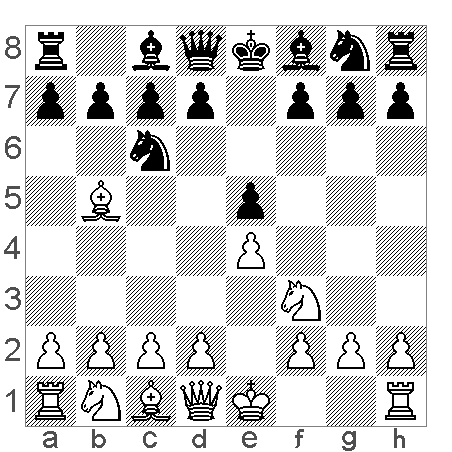
Once you've staked a claim in the center, it's time to develop your pieces. This means moving your knights and bishops off the back rank and into active positions where they can participate in the game. In general, it's best to develop your minor pieces—knights and bishops—before your major pieces like the queen and rooks. Bringing your queen out too early can be a major mistake, as your opponent can attack it with their developing pieces, forcing you to waste moves while they improve their position.
A good rule of thumb is: [{
}] and develop toward the center.
As you develop, you should look for opportunities to gain . This is a key concept in chess strategy. Tempo refers to a "turn" or a unit of time in the game. If you can develop one of your pieces while simultaneously creating a threat, you force your opponent to react. They spend their turn defending, while you used your turn to both develop and attack. This is called developing with a gain of time, and it's how you build an initiative in the opening.
Protect Your King
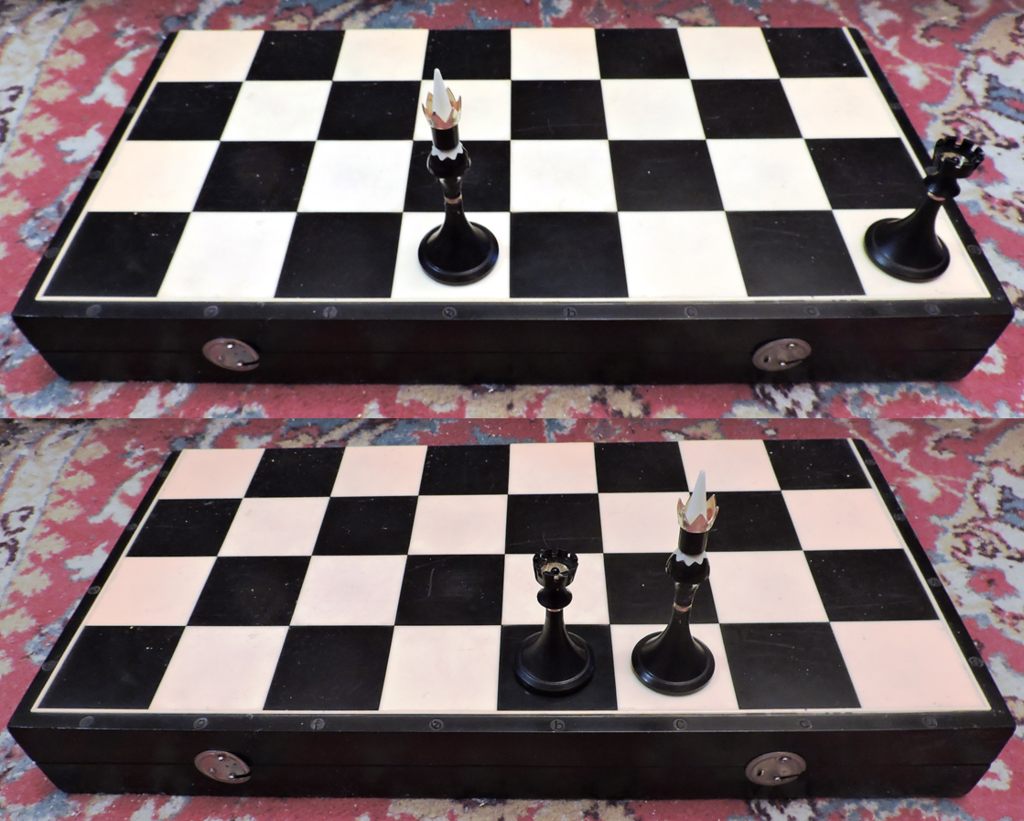
Developing an army is pointless if your leader is left vulnerable. The king starts the game in the center of the board, which is often where the action happens. Leaving it there is like leaving your headquarters on the front line. The best way to secure your king is by early.
Castling accomplishes two critical goals at once: it tucks your king away behind a wall of pawns, and it brings a powerful rook into the game, connecting it with your other rook. A castled king is a safe king, allowing you to focus on your plans in the middlegame without constantly worrying about a sudden checkmate.
Common Mistakes to Avoid
Knowing the principles is one thing, but applying them means avoiding common traps. Many beginners lose games in the first ten moves by violating these core ideas.
| Mistake | Why It's Bad | What to Do Instead |
|---|---|---|
| Moving a piece twice | Wastes tempo. Your opponent develops a new piece while you re-adjust one. | Try to place your pieces on their best squares in one move. |
| Bringing the Queen out early | The queen becomes a target, allowing your opponent to develop with threats. | Develop knights and bishops first. The queen is a late-game powerhouse. |
| Neglecting King safety | An unsafe king can be checkmated quickly, no matter how good your position is. | Castle early, usually within the first 10 moves. |
| Moving too many pawns | Pawn moves are permanent and can create weaknesses. Pushing wing pawns doesn't help control the center. | Focus on developing pieces. Use pawns primarily to control the center. |
By focusing on controlling the center, developing your pieces efficiently, and keeping your king safe, you'll build a solid foundation for the rest of the game. These principles give you a reliable guide for navigating the complex opening phase.
What is the primary objective during the opening phase of a chess game?
Which group of pieces is generally best to develop first?