Advanced Wine Tasting Mastery
Advanced Sensory Evaluation
Decoding Complex Aromas
You've learned to identify the basic scents in a glass of wine, like apple or vanilla. Now, let's go deeper. Advanced aroma detection isn't about having a better nose; it's about having a better-trained brain that can recognize and categorize subtle smells. The process starts with your olfactory system, the complex network of nerves and receptors in your nasal cavity responsible for your sense of smell.
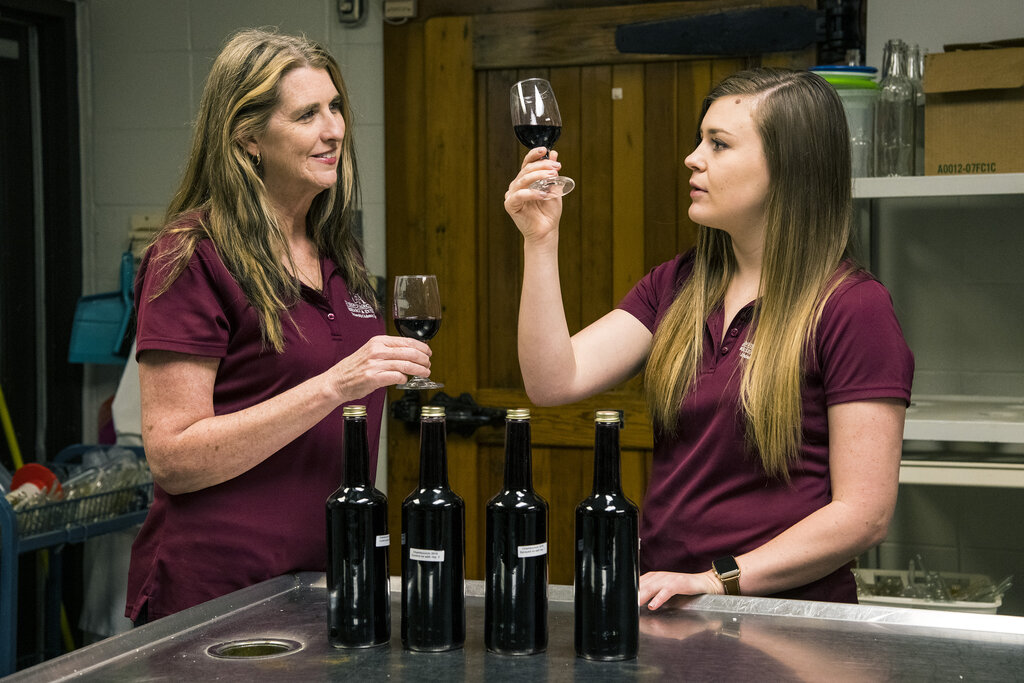
When you smell wine, volatile compounds evaporate from the glass and travel into your nose. This is called orthonasal olfaction. But the experience doesn't stop there. Once you sip the wine, it warms up in your mouth, releasing more aroma compounds that travel up the back of your throat to your nasal cavity. This is retronasal olfaction, and it’s where much of a wine's perceived "flavor" comes from. This dual pathway is why aromas can seem to change from the initial sniff to the aftertaste.
To organize these scents, experts group them into three categories:
- Primary Aromas: These come directly from the grape variety and its growing environment (the terroir). Think fruity notes like grapefruit in Sauvignon Blanc or blackcurrant in Cabernet Sauvignon, as well as floral or herbal scents.
- Secondary Aromas: These develop during the winemaking process, especially fermentation. The yeast used can impart notes of sourdough, cheese rind, or lager.
- Tertiary Aromas (or Bouquet): These emerge from the aging process, whether in a bottle or a barrel. They include scents like leather, tobacco, mushroom, and toasted nuts. Oak aging specifically contributes notes of vanilla, clove, and cedar.
Constructing a Flavor Profile
A flavor profile is a detailed map of a wine's taste from start to finish. It's more than just listing flavors; it's about describing the wine's structure—its acidity, tannins, alcohol, and sweetness—and how those elements interact on your palate. Instead of just saying a wine is "bold," a professional describes why it feels bold.
Analyze the journey of the wine across your palate: the initial impression (attack), the feeling in the middle of your mouth (mid-palate), and the lingering sensation after you swallow (finish).
A systematic approach helps. As you taste, mentally check off each structural component. Is the acidity sharp like lemon juice or softer like a baked apple? Are the tannins gritty and firm, or are they smooth and well-integrated? How long does the flavor last? A finish that disappears in a few seconds is short, while one that lasts for a minute or more is considered long. Here’s how you can elevate your descriptions:
| Basic Descriptor | Advanced Profile |
|---|---|
| "Fruity" | "Notes of underripe raspberry and red cherry, with a hint of pomegranate seed." |
| "Earthy" | "Aromas of damp forest floor, dried mushrooms, and a touch of wet stone." |
| "Smooth" | "Velvety tannins with well-integrated acidity and a round, full-bodied mouthfeel." |
This level of detail creates a precise and useful tasting note, allowing you to compare wines accurately and remember their unique characteristics.
The Discipline of Blind Tasting
Blind tasting, where you evaluate a wine without knowing its identity, is the ultimate test of sensory skill. Its purpose is not to perform a magic trick but to remove bias. When you see a famous label or a high price tag, your perception is inevitably influenced. Tasting blind forces you to rely on nothing but your senses.
Goldstein says that blind tasting is all about “sleuthing and deducting.” He advises anyone sitting a blind tasting not to “go to the goal thinking that’s what the wine is,” but rather to focus on the flavors, aromatics and structural elements that are presented.
There are two common approaches:
- Single-Blind Tasting: You are given some information, such as the grape variety or region, but not the specific producer or vintage. This helps you focus on comparing wines within a known category.
- Double-Blind Tasting: You have no information at all. This is the most challenging method and requires a structured, deductive approach.
A deductive tasting grid is an essential tool. It provides a consistent framework for analyzing the wine's appearance, nose, and palate before making a conclusion. You would first note the wine's color and clarity, then identify aroma categories, then assess the structural components on the palate. Only after gathering all this evidence do you try to deduce the grape, region, and vintage.
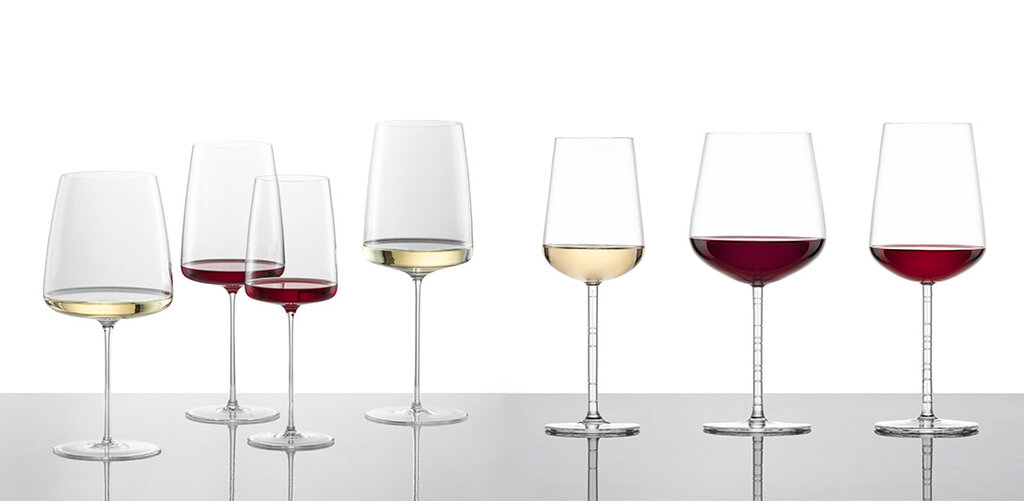
Practicing with a grid trains your mind to be systematic and objective, turning tasting from a casual activity into a focused analytical skill.
When you sip a wine, it warms in your mouth and releases aromas that travel up the back of your throat to your nasal cavity. What is this sensory process called?
You taste a wine and detect distinct notes of leather, mushroom, and toasted nuts. Which category of aromas are you primarily identifying?
With these advanced techniques, you can move beyond simple appreciation and begin to analyze wine with the precision of a professional.