Advanced Weiqi Strategy and Tactics
Modern Fuseki Foundations
Beyond the Corner
The opening moves of a Go game set the tone for the entire match. It's not just about placing stones in the corners; it's about weaving a strategic web across the board. This phase, known as in Japanese, is a conversation between players. Each move is a statement of intent, outlining your ambitions for territory and influence.
Your goal is to build a framework that is both secure and flexible. You want to stake claims without overcommitting, creating positions that can either blossom into solid territory or project power across the board. The key is efficiency: making each stone work as hard as possible.
The Third and Fourth Lines
The edge of the board is where territory is easiest to make. The most important lines in the opening are the third and fourth lines from the edge. They represent a fundamental strategic choice.
The third line is the line of territory. Stones placed here are secure. They are difficult to attack and efficiently build a solid base of points.
The fourth line is the line of influence. Stones here are aimed at the center of the board. They don't secure much territory on their own, but they project power, control the flow of the game, and support future attacks.
A move on the third line says, "This area is mine." A move on the fourth line says, "I will control the game from a higher position." Most openings involve a mix of both, balancing immediate profit with future potential. A stone on the 3-4 point, for example, is a popular opening because it has a foothold on the third line for territory while facing the fourth line for influence.
Securing Your Base
After you've placed a stone in a corner, your opponent will likely do the same elsewhere. Soon, you'll have the chance to add a second stone to your corner to solidify it. This two-stone corner formation is called a (enclosure).
A shimari secures the corner completely, turning it into guaranteed territory. It's a strong, stable position. From here, you can confidently extend along the side of the board.
With a secure corner, you can start developing along the sides. This is called an extension. The goal is to build a wall that outlines potential territory. But how far away should you place your extension stone? The ideal spacing depends on the height of your shimari.
| Base Position | Ideal Extension Spacing |
|---|---|
| Stones on the 3rd line | Extend two spaces away |
| Stones on the 4th line | Extend three spaces away |
This spacing is efficient. It stakes the largest possible claim that you can still reasonably defend. If you extend too far, your opponent can easily invade the gap. If you extend too close, you're not maximizing your potential.
Building a Framework
When you combine corner enclosures and side extensions, you begin to form a —a large, incomplete framework of stones. A moyo isn't territory yet. It's a vast sphere of influence that is difficult for your opponent to enter.
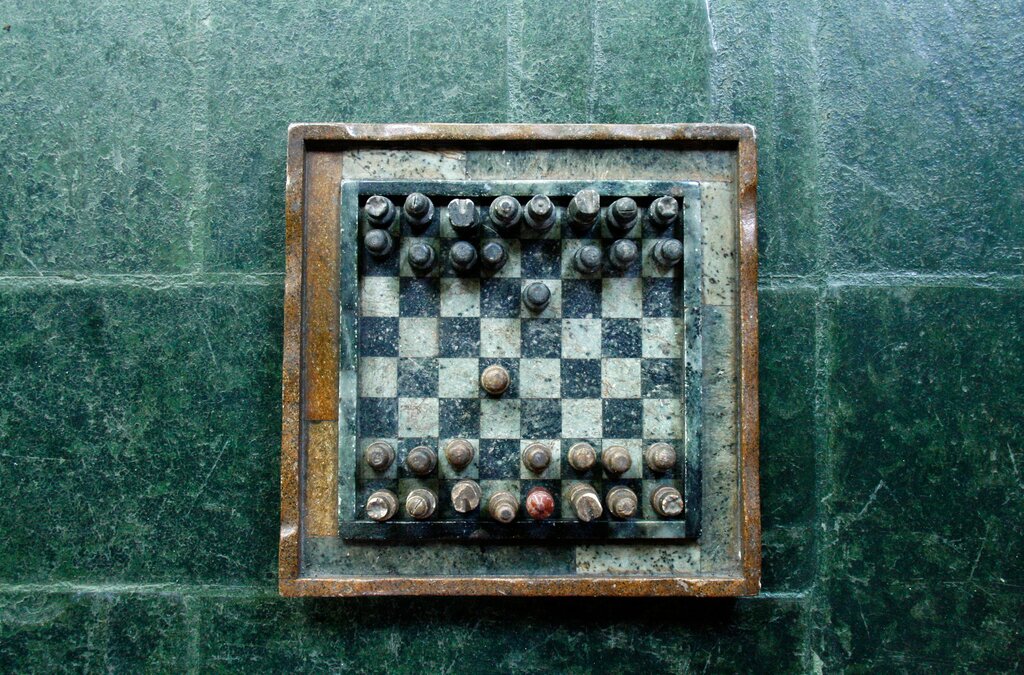
Building a moyo is an ambitious strategy. Your goal is to make your opponent feel pressured. They know they must invade your framework to reduce its size, but doing so is dangerous. A successful invasion can crumble your moyo, but a failed invasion can result in a large captured group, solidifying your framework into massive territory.
The Fuseki is a delicate dance. You must balance securing territory with building influence, deciding when to play solidly and when to dream big with a moyo. Mastering these foundational ideas will allow you to paint your own picture on the board.
What is the Japanese term for the opening phase of a Go game, where players establish their initial frameworks?
In the opening, a move on the fourth line from the edge is primarily focused on what?
Now, let's test your understanding of these opening principles.