Advanced Webinar 2 Insights
Advanced Webinar Strategies
Beyond the Basics
You already know how to host a webinar. You can set up the platform, prepare your slides, and deliver your presentation. Now, let's focus on the strategies that turn a good webinar into a consistently high-performing part of your marketing engine. The goal is to move beyond just presenting information and start creating experiences that drive real results.
The true power of webinars lies in positioning your brand as a leader in your field, engaging your audience with valuable content, and fostering a sense of trust.
Packing the Virtual Room
Getting people to attend is the first major hurdle. This starts long before the webinar goes live. Your email invitations and registration pages are the front door to your event. They need to be compelling and frictionless.
For email invites, the subject line is your first impression. Make it clear and benefit-driven. Instead of "Webinar Invitation," try "Struggling with X? Join our webinar on Y." Inside the email, quickly explain what attendees will learn and why it's valuable to them. Keep the copy concise and use a single, clear call-to-action button that leads to your registration page.
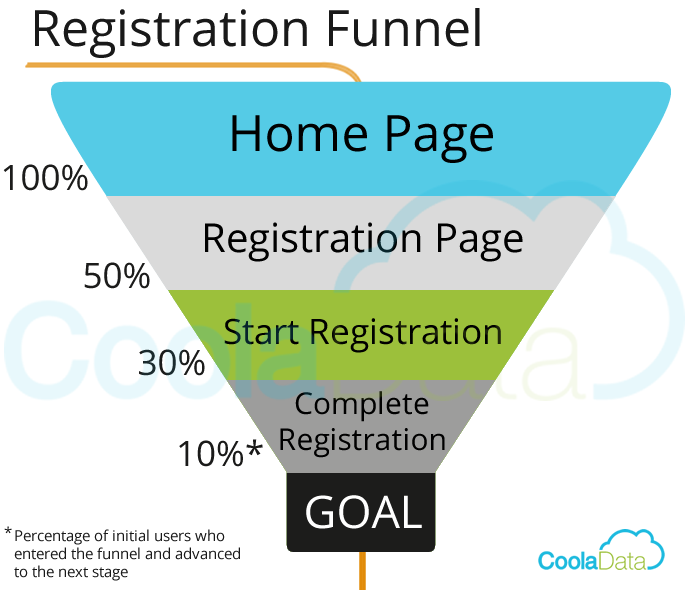
Your registration page should be an extension of your invite. It needs to load quickly, look great on mobile devices, and reinforce the webinar's value. List the key takeaways in bullet points. Include professional headshots and brief bios of the speakers to build credibility. Remove any unnecessary fields from the sign-up form; only ask for the information you absolutely need. Every extra field you ask for will cause some people to abandon the process.
Co-hosting or co-marketing is another powerful strategy for maximizing attendance. By partnering with another organization, you tap into their audience and share the promotional workload. A clear division of labor is key to a smooth partnership.
| Task | Partner A Responsibility | Partner B Responsibility |
|---|---|---|
| Promotion | Email list, 2 social posts | Email list, 2 social posts |
| Content | Slides for Topic 1 | Slides for Topic 2 |
| Logistics | Manages webinar platform | Moderates Q&A during event |
| Follow-up | Sends recording to their list | Sends recording to their list |
Keeping Them Hooked
Getting people to show up is half the battle; keeping them engaged is the other half. A passive audience won't remember your message or take the action you want them to. The key is to make your webinar an interactive experience, not a monologue.
Plan for interaction from the beginning. Instead of saving all questions for the end, pause every 10-15 minutes to address a few. Launch polls to gauge understanding or gather opinions on the topic. This simple action pulls the audience back in and makes them feel like active participants.
Treat your webinar like a workshop, not a lecture. The more you involve your audience, the more value they'll get from it.
For more in-depth engagement, consider using your platform's breakout room feature. You can pose a question or a scenario and send small groups of attendees into virtual rooms for a few minutes to discuss it. When they return, ask a representative from a couple of rooms to share their key takeaways. This fosters a sense of community and deeper learning.
Driving Action
Every webinar should have a clear goal. What do you want your audience to do next? Whether it's to book a demo, download a whitepaper, or buy a product, your call-to-action (CTA) must be clear, compelling, and easy to follow.
Write one urgent, benefit-driven CTA for your webinar and plan to repeat it twice.
Don't wait until the last 30 seconds to flash a URL on the screen. Introduce your CTA about two-thirds of the way through the webinar, after you've delivered significant value. Frame it as the logical next step for anyone who wants to solve the problem you've been discussing. Then, repeat it at the end as you wrap up. Use a clear, clickable button or a simple, memorable link.
Automate and Integrate
The work isn't over when the webinar ends. A manual follow-up process is slow and prone to errors. Integrating your webinar platform with your marketing automation or CRM system is crucial for scaling your program. This connection allows data to flow seamlessly between systems, automating tasks that would otherwise consume hours of your time.
Here's how it works:
When a person registers, their contact information is automatically added to your CRM. After the webinar, the system knows who attended and who didn't. Based on this, it can trigger different, automated email follow-ups. Attendees might get a 'thank you' email with a link to the recording, while non-attendees receive a 'sorry we missed you' message, also with the recording. This ensures timely, relevant communication without any manual effort.
Which of the following is the most effective subject line for a webinar invitation?
To maximize sign-ups, what is a crucial principle for designing a high-converting webinar registration page?
By implementing these advanced strategies, you can elevate your webinars from simple online presentations to powerful tools for engagement and conversion.