Advanced Waste Management and Systematic Cleanliness
Optimizing Source Segregation
Beyond the Blue Bin
Effective waste management moves beyond a single recycling bin. The goal is to capture materials at their source, keeping them as clean as possible. This is where advanced source segregation comes in, specifically the three-way segregation model. This approach splits waste into three distinct streams right where it's generated: wet organic waste, dry recyclables, and domestic hazardous waste.
- Wet Organic Waste: This includes food scraps, yard trimmings, and other compostable materials. Keeping this stream separate is critical because moisture from food can contaminate dry materials like paper and cardboard, making them unrecyclable.
- Dry Recyclables: This is the familiar category of paper, cardboard, glass, metals, and plastics. When kept free from food and liquid contamination, these materials have a much higher value in secondary markets.
- Domestic Hazardous Waste: This is a small but crucial category. It includes items like batteries, electronics, leftover paint, and expired medications. These materials can be toxic and need special handling to prevent them from leaching into soil and groundwater.
By separating these streams at the source, municipalities can drastically reduce the amount of waste sent to landfills. It also slashes collection and processing costs. Since organic waste is often the heaviest component, diverting it to local composting facilities can reduce transportation expenses by as much as 50%.
Smart Bins, Smarter Systems
The success of any segregation program depends on its infrastructure. It must be easy for people to do the right thing and hard to do the wrong thing. This starts with bin design. Effective systems use physical cues, like specifically shaped openings, to guide users. This concept, known as aperture design, prevents contamination. A narrow slot for paper discourages people from trying to stuff a plastic bottle in, while a small round hole is perfect for cans and bottles but not for bulky plastic bags.
Color-coding is another powerful tool. While standards can vary, consistency is key. A common system uses green for organics, blue for recyclables, and red or black for landfill waste. When people see the same colors at home, at work, and in public spaces, sorting becomes second nature.
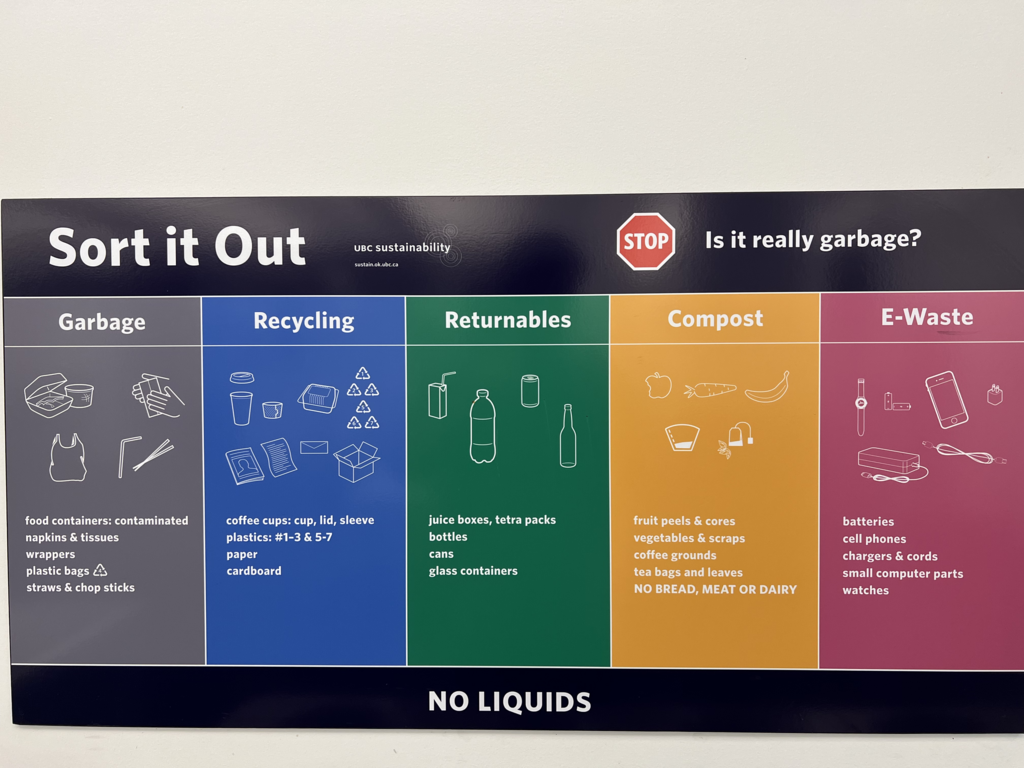
Logistics also play a huge role. Instead of hauling all waste to a central location, decentralized processing is more efficient. This means having smaller, local facilities for composting organic waste or baling recyclables. This approach drastically cuts the carbon footprint from transportation and ensures that materials stay clean. Purer materials fetch higher prices, creating a more financially sustainable system. After initial sorting by people, large facilities use advanced tech to further refine the streams.
The Economics of Sorting
Financial incentives are one of the most effective ways to encourage proper waste segregation. The most prominent model is Pay-As-You-Throw, or PAYT. In a PAYT system, households are charged for waste collection based on the amount of trash they send to the landfill. It works just like a utility bill for electricity or water: the more you use, the more you pay.
This model typically involves providing residents with specific bags or bins for landfill waste, for which they pay a fee. Meanwhile, recycling and composting bins are often provided at little to no cost. This creates a direct financial incentive to reduce, reuse, and recycle as much as possible. When taking out the trash costs money, people quickly become more conscious of what they're throwing away.
PAYT systems shift the cost of waste management from a flat property tax to a user-based fee, making the system more equitable and directly rewarding sustainable habits.
Cities around the world have demonstrated the power of combining strong policy with good infrastructure. has one of the highest diversion rates in North America, reaching over 80%. The city's mandatory composting and recycling ordinance, combined with a robust three-bin system and clear messaging, has been instrumental. Zürich, Switzerland, is another leader. The city uses an official city-branded trash bag, the Züri-Sack, which residents must purchase. Any trash put out in an unofficial bag is left on the curb with a fine. This strict PAYT system has dramatically increased recycling and reduced the total volume of waste generated.
Now, let's test your understanding of these advanced segregation strategies.
What is the primary goal of the three-way segregation model for waste management?
Why is keeping wet organic waste separate from dry recyclables considered critical?
By implementing these strategies, from smart bin design to fair economic incentives, communities can create highly effective, financially viable, and environmentally sustainable waste management systems.