Advanced Vocal Mastery and Performance
Vocal Health Maintenance
The Performer's Engine
As a performer, you understand that your voice isn't just an instrument; it's a finely-tuned biological engine. Sustaining its power and nuance over a career requires more than just basic breath support. It demands a deep understanding of the delicate structures at the core of your sound: the vocal folds.
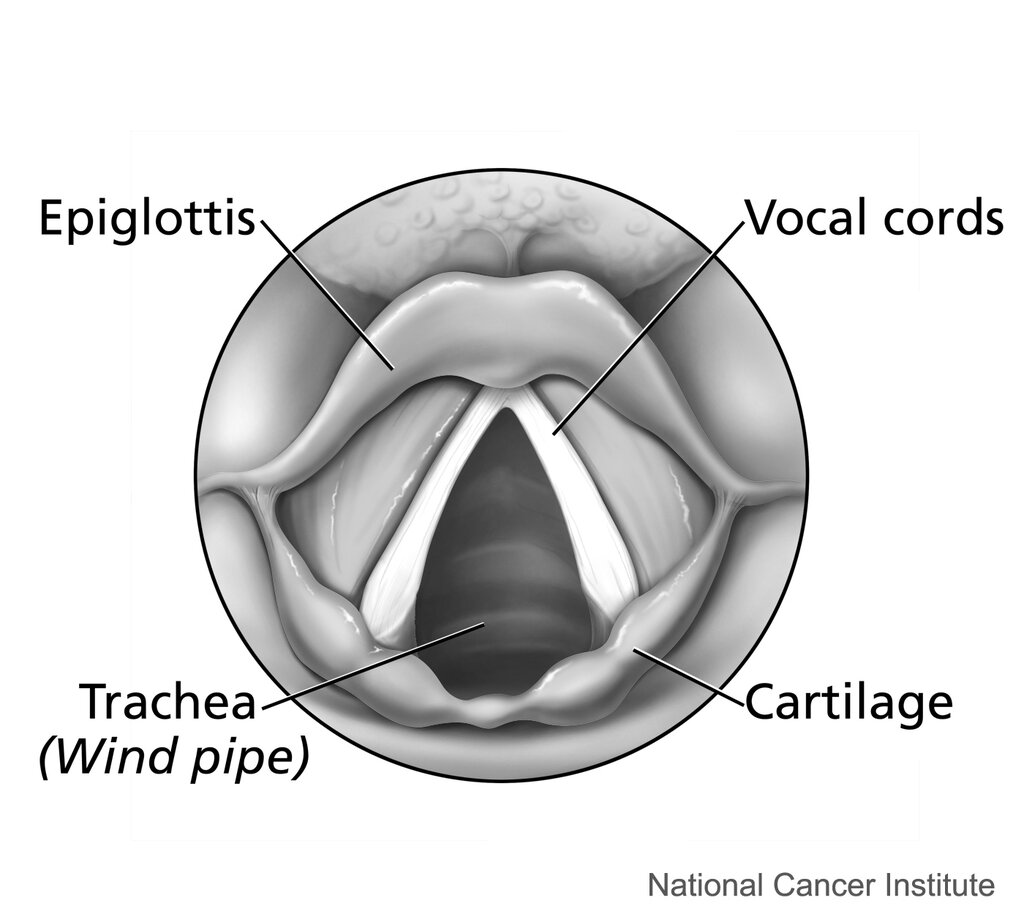
Your vocal folds are twin infoldings of mucous membrane stretched horizontally across the larynx. They aren't simple strings; they are complex, layered structures. The outermost layer is a thin, delicate epithelium covering a flexible, jelly-like layer known as the , which itself has three distinct layers of varying stiffness. This intricate construction allows for the subtle and powerful vibrations that create your unique sound.
When you sing or speak, air from your lungs creates pressure beneath the closed folds. This pressure forces them apart, and as the air rushes through, a drop in pressure (the Bernoulli effect) pulls them back together. This cycle of opening and closing happens hundreds, even thousands, of times per second. This rapid, percussive contact is precisely where the risk of injury lies if the system isn't properly maintained.
Hydration as Lubrication
The key to protecting the vocal folds from the friction of high-frequency vibration is proper lubrication. This comes from a thin layer of mucus covering the folds, and its effectiveness is almost entirely dependent on your hydration levels.
When you're well-hydrated, this mucosal layer is thin and watery. It allows the folds to oscillate with minimal friction and effort. Dehydration thickens this mucus, making it sticky. The folds have to work harder to vibrate, increasing the phonation threshold pressure—the amount of lung pressure needed to start and maintain vocal fold vibration. This extra effort leads directly to vocal fatigue and increases the risk of tissue damage.
Think of it like engine oil. You wouldn't run a high-performance engine with thick, sludgy oil. Likewise, you shouldn't ask your voice to perform without the fluid, protective lubrication provided by good, systemic hydration. This means drinking water consistently throughout the day, not just when you feel thirsty.
Smarter Warm-ups
An advanced warm-up isn't just about getting the voice moving; it's a strategic protocol to prepare it for high-intensity work without causing fatigue. One of the most effective tools for this is the use of (Semi-Occluded Vocal Tract exercises).
SOVT exercises create back-pressure in the vocal tract, which helps the vocal folds vibrate more efficiently and with less forceful collision. This allows you to warm up the entire vocal mechanism gently, coordinating breath and phonation without unnecessary strain.
| Exercise | How It Works | Best For | Trade-offs |
|---|---|---|---|
| Straw Phonation | Humming or gliding through a narrow straw. | Precise, gentle warm-ups; vocal cool-downs. | Requires a specific tool (the straw); less direct feedback on resonance. |
| Lip Trills (Bubbles) | Vibrating the lips together while phonating. | Warming up breath support and connecting registers. | Can be difficult for some people to sustain; may introduce jaw tension if forced. |
| Tongue Trills | Rolling an 'r' sound. | Promoting tongue relaxation and agile articulation. | Difficult for many native English speakers to master; can cause tongue root tension. |
| Voiced Fricatives (v/z) | Sustaining a 'vvv' or 'zzz' sound. | Feeling forward resonance and steady airflow. | Less occluded than other methods, providing a lighter back-pressure effect. |
A comprehensive warm-up might start with straw phonation to gently activate the voice, move to lip trills to engage breath support, and then progress to open vowels and scales to prepare for specific repertoire. The goal is to arrive at high-intensity work feeling energized, not already tired.
Longevity and Fatigue
Vocal fatigue is the canary in the coal mine. It's your body's signal that you're pushing the limits of your vocal stamina. Ignoring it is how chronic issues like or polyps develop. Learning to recognize the early signs—a scratchy feeling, loss of high notes, or a delayed onset of phonation—is a critical professional skill.
The results of proper breathing technique may include better control over the breath and thus the quality of the voice's tone, more efficient use of the breath resulting in less breathiness or 'airyness' in the tone, the ability to sustain notes for considerably longer and to sing longer phrases, increased lung capacity, a natural (unforced) increase in volume, improved overall stamina or endurance, minimized tension in the chest, shoulders, neck and face, less pressure on the vocal folds, and better oxygenation of the entire body.
Managing fatigue involves both proactive and reactive strategies. Proactively, ensure you are always hydrated and using efficient warm-ups. Reactively, learn to schedule vocal rest. This doesn't just mean not singing; it means minimizing talking, avoiding whispering (which can be very strenuous), and giving the delicate tissues of the vocal folds time to recover.
A vocal cool-down is just as important as a warm-up. Gentle humming, sighs, or straw phonation after a demanding performance can help reduce inflammation and bring the voice back to a normal speaking mode, setting you up for a healthy next day.
What is the primary function of the thin layer of mucus covering the vocal folds?
How does dehydration directly lead to vocal fatigue?
By treating your voice with the same care and physiological understanding as an athlete treats their body, you build a foundation not just for a single great performance, but for a lifetime of vocal health and artistry.