Advanced Vedic Predictive Astrology
Advanced Parasari Techniques
Refining Dasha Predictions
You already know how Vimshottari Dasha outlines the major planetary periods of a life. Now, let's look at the finer points that bring a prediction into focus. The most critical moments often occur at the seams of these periods.
One such point is Dasha Sandhi, the junction where one Mahadasha ends and another begins. This transition isn't like flipping a switch. Imagine walking from a hot room into a cold one; there's a doorway where you feel both temperatures at once. Dasha Sandhi is that astrological doorway. The last Bhukti (sub-period) of the outgoing Dasha and the first Bhukti of the incoming Dasha are often turbulent or bring significant life changes as the planetary energies shift.
For example, if someone is finishing a challenging Saturn Mahadasha and entering a Mercury Mahadasha, the transition period can feel like a final exam followed by the sudden start of a new, communication-focused project. The effects of both planets are felt simultaneously.
The very end of a Mahadasha, known as Dasha Chidra, is also important. The term literally means 'hole' or 'severance'. This period can bring endings, a sense of completion, or the clearing away of old patterns to make way for the new planetary theme. It's a time of release.
To add even more detail, we must analyze the layers within each Mahadasha. The Bhukti lord shows the primary flavor of a sub-period, but the Antara lord (sub-sub-period) reveals the specific events and experiences that will manifest. The Pratyantara lord (the fourth level) provides even finer timing, narrowing events down to a smaller window. True predictive skill lies in synthesizing the influences of all these layers at once.
| Dasha Level | Sanskrit Name | Approximate Duration |
|---|---|---|
| Major Period | Mahadasha | Years |
| Sub-Period | Bhukti / Antardasha | Months to Years |
| Sub-Sub-Period | Antara / Pratyantardasha | Weeks to Months |
The Sudarshan Chakra
The Sudarshan Chakra is a powerful but less common technique that offers a panoramic view of a person's life. Instead of looking at the birth chart from a single reference point, it creates a dynamic, triple-layered chart.
This technique views the horoscope from three crucial perspectives simultaneously:
- The Lagna (Ascendant): Represents the physical self and the environment.
- The Moon: Represents the mind, emotions, and consciousness.
- The Sun: Represents the soul, ego, and vitality.
To make a prediction, you assess the houses and planets transiting through them relative to all three points. For example, to analyze the 4th house of home and happiness, you would look at the 4th house from the Lagna, the 4th from the Moon, and the 4th from the Sun. If a benefic planet transits a specific house in all three charts, its positive effects are strongly emphasized. If a malefic planet hits the same house in all three, a difficult period is indicated for matters related to that house.
Weaving in the Vargas
The divisional charts, or Vargas, are the key to moving from general to specific predictions. While the main birth chart (the Rasi chart or D1) shows the physical manifestation of our life, the Vargas reveal the subtle reality behind it. Integrating them with Dasha analysis unlocks a deeper layer of meaning.
The process involves checking the dignity and placement of the Dasha and Bhukti lords not just in the Rasi chart, but in the relevant Vargas as well.
For instance, during a Venus-Mercury period, if both planets are well-placed in the Rasi chart, you might predict general good fortune. But if they are also strong in the Navamsa (D9) chart, it specifically points to happiness in marriage. If they are strong in the Dasamsa (D10) chart, it indicates a career promotion.
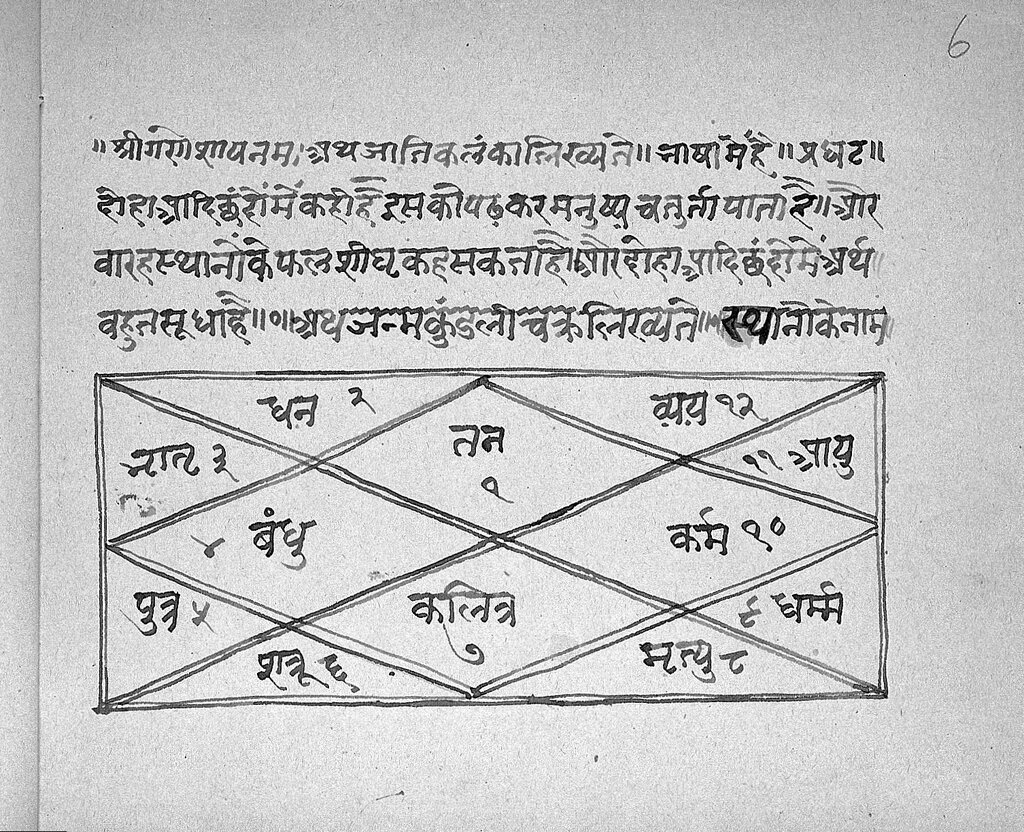
A planet that looks weak in the Rasi chart might be exalted or powerful in several Vargas, a condition known as Vargottama. This planet gains hidden strength and can deliver surprisingly positive results during its Dasha period, often in the specific areas of life governed by those Vargas.
Conversely, a planet that appears strong in the Rasi chart but is debilitated or poorly placed in key Vargas will fail to deliver on its promise. Its Dasha might bring superficial gains that lack substance or end in disappointment. The true story is always told by looking at the whole picture, using the Vargas to color in the details of the Dasha sequence.
Time to test your knowledge on these advanced techniques.
What does the term Dasha Sandhi refer to in Vedic astrology?
The Sudarshan Chakra technique provides a dynamic view of the horoscope by simultaneously using which three reference points?
By combining these methods, you can add layers of nuance to your chart interpretations. They allow you to move beyond broad statements and pinpoint the specific timing and nature of life events with greater confidence.