Advanced UX Deliverables and Frameworks
Introduction to UX Design
What Is UX Design?
User Experience (UX) design is the process of making a product or service useful, easy to use, and enjoyable for people. Think about the last time you used an app that felt confusing or a website where you couldn't find what you were looking for. That's a sign of poor UX. On the other hand, a product with good UX feels effortless and intuitive. It anticipates your needs and helps you accomplish your goals without frustration.
UX isn't just about how a product looks; it's about the entire experience a person has with it. This includes their feelings, thoughts, and perceptions from the first moment they hear about a product to the last time they use it. The goal is to create a seamless and positive journey for the user.
User-centric design (UCD) puts the needs, desires, and limitations of the user at the forefront of the design process.
Core Principles
At its heart, UX design is guided by empathy for the user. To create great experiences, designers focus on a few key principles. A product must be:
First, a product must be useful. It needs to solve a real problem or fulfill a genuine need. If a product serves no purpose, no amount of beautiful design can save it.
Next, it has to be usable. This means the product is simple to learn and navigate. Users should be able to achieve their goals efficiently and without confusion. Think of it as clarity and ease of use.
Then, it should be desirable. This involves the emotional connection. The design should be aesthetically pleasing and enjoyable to interact with, making the user want to come back.
Finally, a product must be accessible. It should be designed so that people with a wide range of abilities and disabilities can use it effectively. This ensures inclusivity for everyone.
UX vs. UI Design
A common point of confusion is the difference between User Experience (UX) and User Interface (UI) design. While they are closely related and often work together, they are distinct disciplines.
Think of it this way: If a product is a house, UX is the architectural blueprint—the foundation, the room layout, and the flow from one space to another. UI is the interior design—the paint colors, the furniture, the lighting fixtures.
UX Design is the big picture. It's the analytical and technical field focused on the overall feel of the experience. A UX designer is concerned with the user's journey, mapping out how to solve their problems and create a logical, smooth flow through the product. They conduct research, create user personas, and design wireframes to structure the experience.
UI Design is the visual part. It's a graphic design discipline focused on the look and feel of the product's interface. A UI designer works on all the visual elements a user interacts with: buttons, icons, typography, color schemes, and spacing. Their goal is to create an interface that is visually appealing and easy to navigate, complementing the underlying UX.
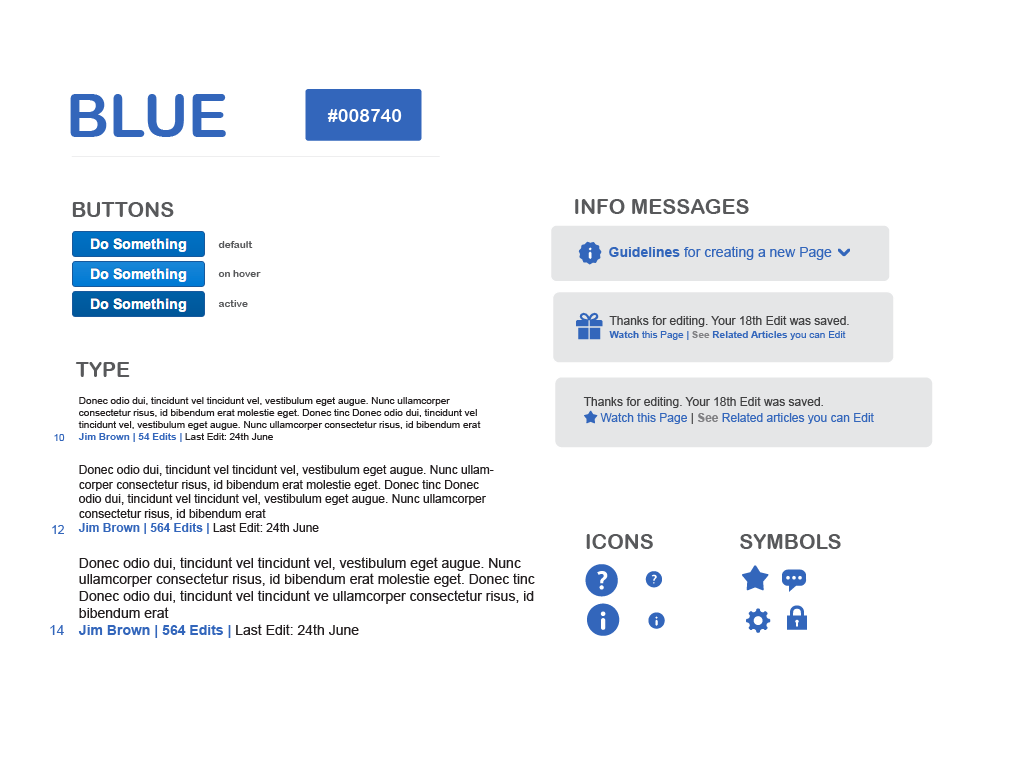
In short, UX makes a product fundamentally useful and usable, while UI makes it beautiful and interactive. A product needs both to succeed. A beautiful app that is difficult to use will fail, as will a highly usable app that looks dated and unappealing.
Now, let's test your understanding of these foundational concepts.
What is the primary goal of User Experience (UX) design?
A designer is deciding on the color scheme, button styles, and font choices for a website. This work is primarily part of which discipline?
Understanding these basics is the first step in learning how to create products that people love to use.