Advanced UPS Operations Management
Supply Chain Fundamentals
From Source to You
Think about the smartphone in your pocket or the coffee you drank this morning. Neither just appeared. Each one is the end result of a long, complex journey involving many steps and people. This entire network, from the raw materials pulled from the earth to the final product in your hand, is a supply chain.
A supply chain is a system of organizations, people, technology, activities, information and resources involved in moving a product or service from supplier to customer.
At its core, a supply chain is made up of several key components working in sequence. It starts with suppliers who provide raw materials. Then, manufacturers turn those materials into finished goods. Next, distributors and logistics companies move the products to warehouses and retail locations. Finally, retailers sell the product to you, the customer. Each link is essential for the chain to function.
The Two-Way Street
A supply chain isn't just about moving physical items in one direction. It’s a dynamic system with a constant two-way flow of goods and information.
The most obvious flow is the physical one, called the downstream flow. This is the movement of products from suppliers to manufacturers, and eventually to the customer. It's the journey of raw materials becoming a finished product.
Just as crucial is the flow of information, which travels both upstream and downstream. When you buy a product, that sales data moves upstream, from the retailer back to the distributor and manufacturer. This information signals demand, triggers new production orders, and helps everyone plan. Money also flows upstream, as payments are made from customers to retailers, retailers to distributors, and so on.
Simultaneously, information like shipping confirmations, invoices, and product details flows downstream, keeping everyone informed about the status of goods.
Without a smooth flow of information, the physical flow of goods would quickly grind to a halt. One cannot exist effectively without the other.
The Players in the Game
A product's journey involves a cast of key stakeholders, each with a specific role and set of interests. Understanding who these players are helps clarify how the whole system functions. The customer is at the center of it all, as their demand drives the entire chain.
| Stakeholder | Role |
|---|---|
| Suppliers | Provide the raw materials or components needed for production. |
| Manufacturers | Assemble or process raw materials into finished goods. |
| Distributors | Buy products in bulk from manufacturers and sell them to retailers. They often handle warehousing and transportation. |
| Retailers | Sell products directly to the end customer through stores or online platforms. |
| Customers | The final user whose purchase drives the demand for the product. |
Why Integration Matters
Imagine a relay race where the runners don't communicate. One might start too early, another might drop the baton. The team would be slow, inefficient, and likely lose. A supply chain is similar. When its components operate in isolation, you get problems like excess inventory, stock shortages, delays, and higher costs.
Supply chain integration is the process of ensuring all the different stakeholders and processes work together seamlessly. It means sharing information, coordinating plans, and aligning goals. Technology plays a huge role, enabling real-time communication and visibility across the entire network.
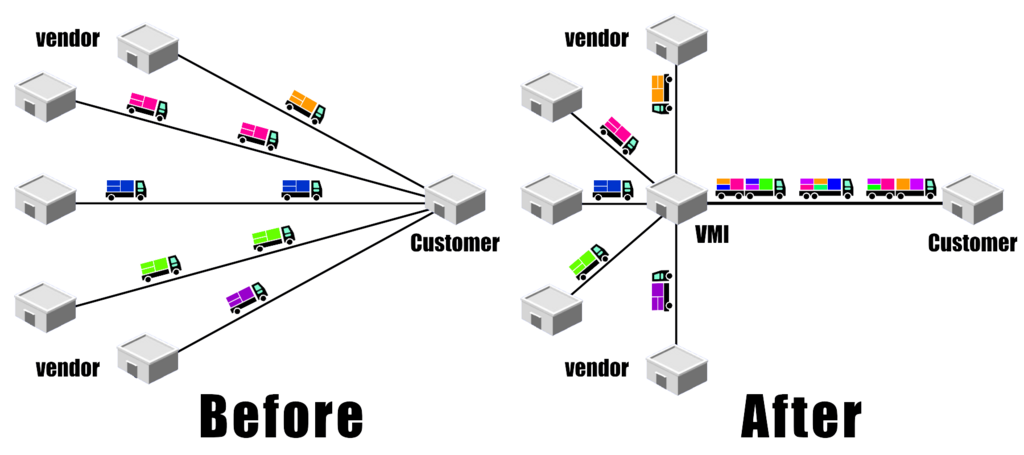
An integrated supply chain is more resilient. If a supplier faces a disruption, partners can quickly coordinate to find an alternative. It's also more efficient, as better planning reduces waste and storage costs. Ultimately, integration leads to a better experience for the customer, with products delivered faster and more reliably.
Supply Chain Management (SCM) involves the strategic coordination of goods, services, and information from sourcing raw materials to delivering finished products to consumers.
Now, let's test your understanding of these fundamental concepts.
What is the best description of a supply chain?
In a typical supply chain, which direction does the flow of money primarily move?
Understanding these core ideas provides the foundation for exploring the more complex strategies that keep our global economy moving.