Advanced UN Systems and Field Operations Exam Design
UN Political Organs
The UN's Power Centers
The United Nations operates through six main bodies, established by the UN Charter. Think of them as the different branches of a global government, each with a specific job. These organs are the General Assembly, the Security Council, the Economic and Social Council, the Trusteeship Council, the International Court of Justice, and the Secretariat. We'll focus on the political and administrative bodies that drive the UN's daily work.
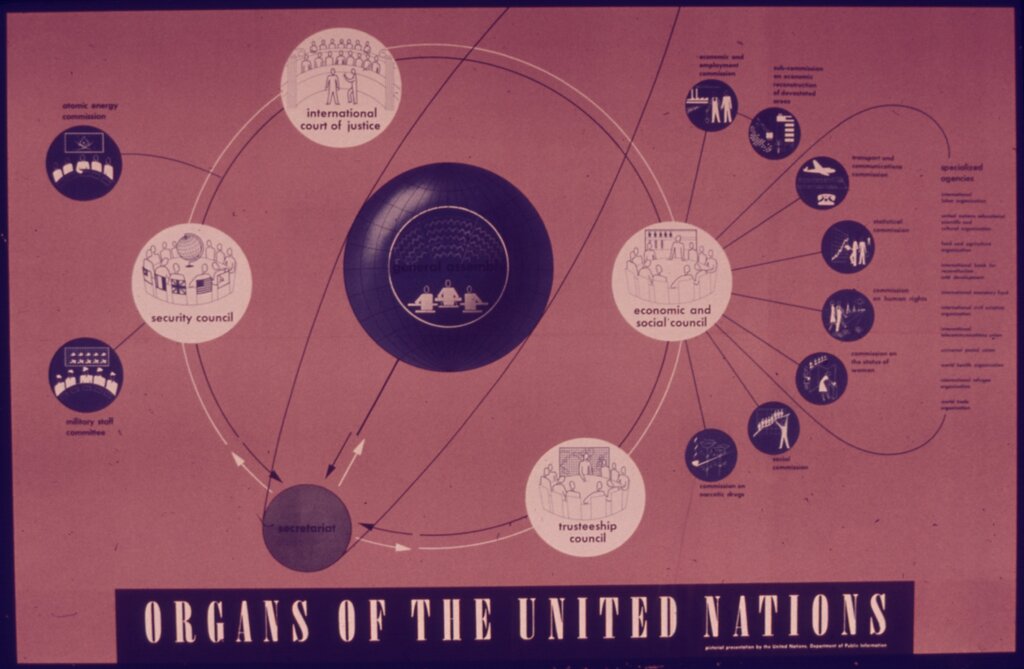
Each organ has a distinct role, but they are designed to work together, creating a system of checks and balances to address global issues.
The General Assembly
The General Assembly (GA) is the UN's main deliberative and policymaking body. It’s the closest thing we have to a world parliament. All 193 Member States are represented here, and each one gets a single vote. This principle of sovereign equality is a cornerstone of the UN.
The GA is a forum for multilateral discussion on the full spectrum of international issues covered by the Charter. It can make recommendations to states on these issues, approve the UN budget, and elect the non-permanent members of the Security Council.
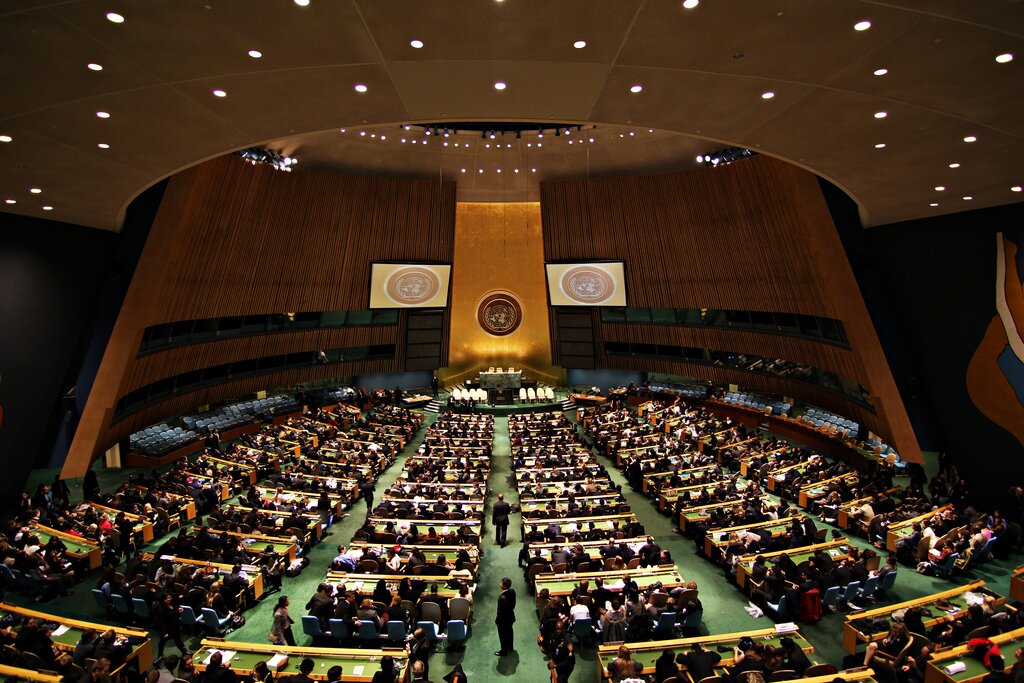
While the General Assembly's resolutions are not legally binding, they carry the moral weight of world opinion and can lead to the development of international law.
The Security Council
The Security Council has the primary responsibility for maintaining international peace and security. Unlike the General Assembly, its decisions are legally binding on all Member States.
It is composed of 15 members. Five of these are permanent members: China, France, Russia, the United Kingdom, and the United States. These are often called the "P5." The other ten members are elected by the General Assembly for two-year terms. The most significant power of the P5 is the right to veto any substantive resolution. This means a single negative vote from a permanent member can block a resolution from passing.
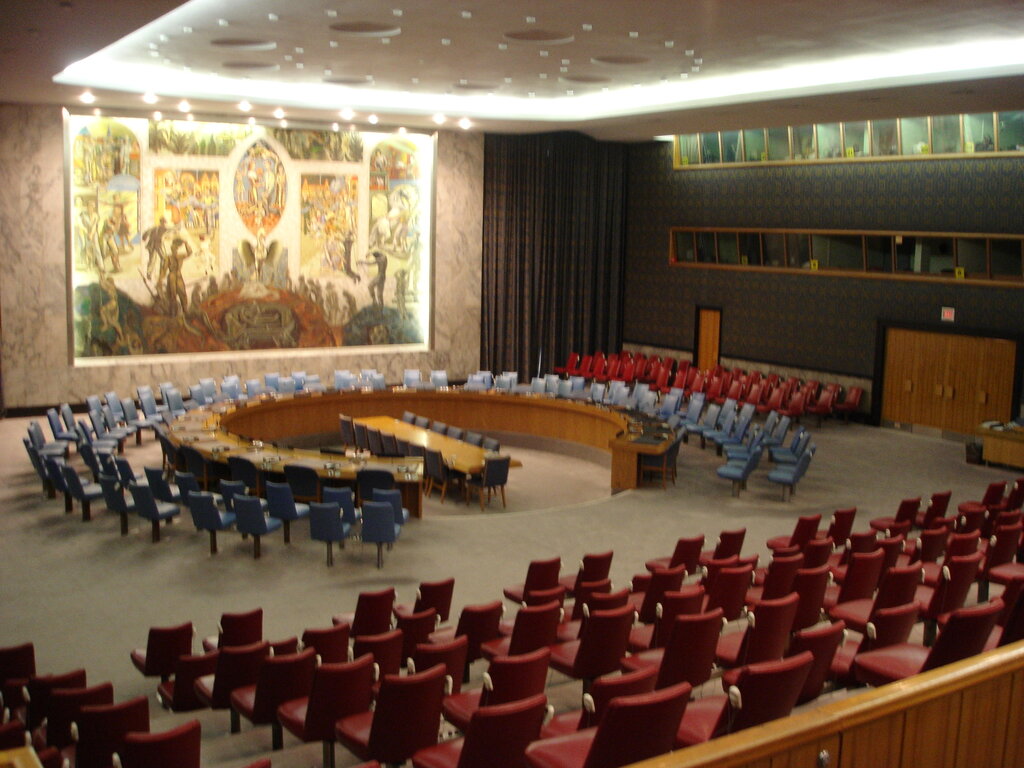
When a threat to peace arises, the Council’s first action is usually to recommend that the parties reach agreement by peaceful means. In some cases, it can impose sanctions or even authorize the use of force to maintain or restore international peace and security.
Coordinating Global Progress
Beyond high-stakes diplomacy, much of the UN's work focuses on improving people's lives through cooperation on economic, social, and environmental challenges. This is where the Economic and Social Council, or ECOSOC, comes in.
ECOSOC
noun
The United Nations Economic and Social Council, one of the principal organs of the United Nations, responsible for coordinating the economic and social work of 15 specialized agencies, its functional commissions, and five regional commissions.
ECOSOC is the principal body for coordination, policy review, and recommendations on economic, social, and environmental issues. It’s the central platform for fostering debate and innovative thinking, and it coordinates the work of the many specialized UN agencies, like the World Health Organization (WHO) and UNESCO. It has 54 members, elected by the General Assembly for overlapping three-year terms.
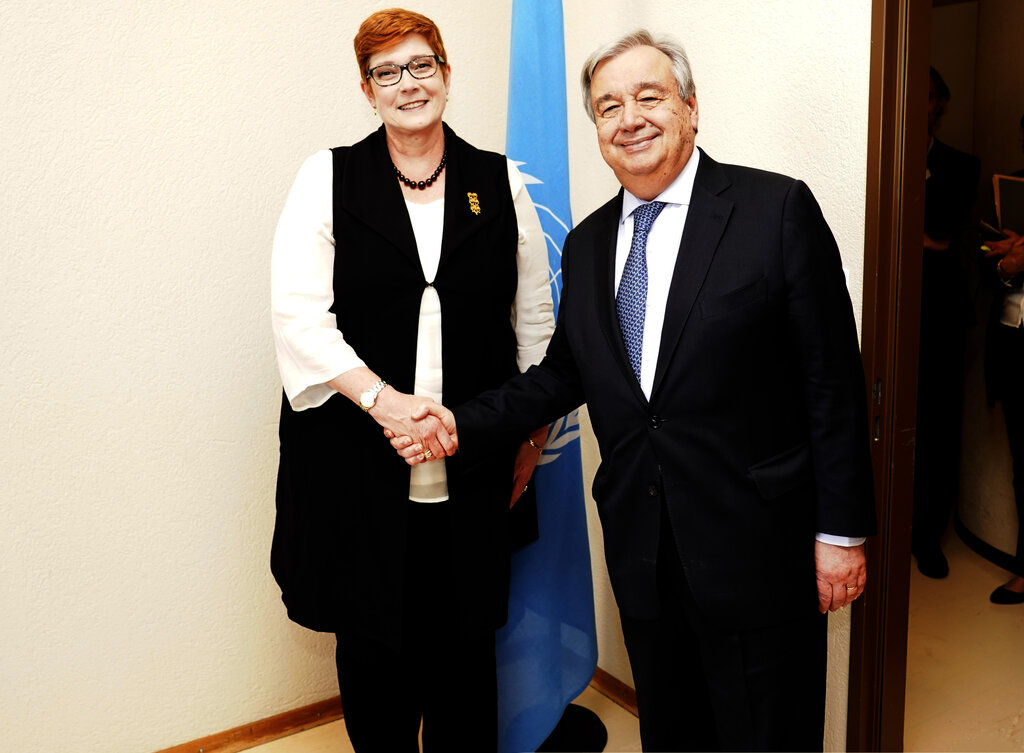
Finally, the Secretariat is the administrative engine of the United Nations. It's led by the Secretary-General and comprises tens of thousands of international UN staff members who carry out the day-to-day work of the UN as mandated by the other principal organs. They work at the UN Headquarters in New York, as well as in duty stations all over the world. The Secretary-General is the chief administrative officer, acting as a diplomat, advocate, and civil servant.
Working Together
The UN's political organs don't operate in isolation. They are constantly interacting. The General Assembly elects the non-permanent members of the Security Council and the members of ECOSOC. The Security Council and the General Assembly together elect the judges of the International Court of Justice.
The Secretary-General is appointed by the General Assembly on the recommendation of the Security Council. The Secretariat services the other organs and administers the programs and policies laid down by them. This web of relationships ensures that the different parts of the UN system work in concert to address global challenges.
Now, let's test your knowledge on the roles of these key UN bodies.
Which UN body is considered the main deliberative and policymaking body, where all 193 Member States are represented and have one vote each?
What is the unique and most significant power held by the five permanent members (P5) of the Security Council?
Understanding these core organs is the first step to seeing how the United Nations tackles global issues, from conflict resolution to sustainable development.