Advanced Toucan Biology and Ecology
Bill Thermoregulation Mechanics
The Bill as a Radiator
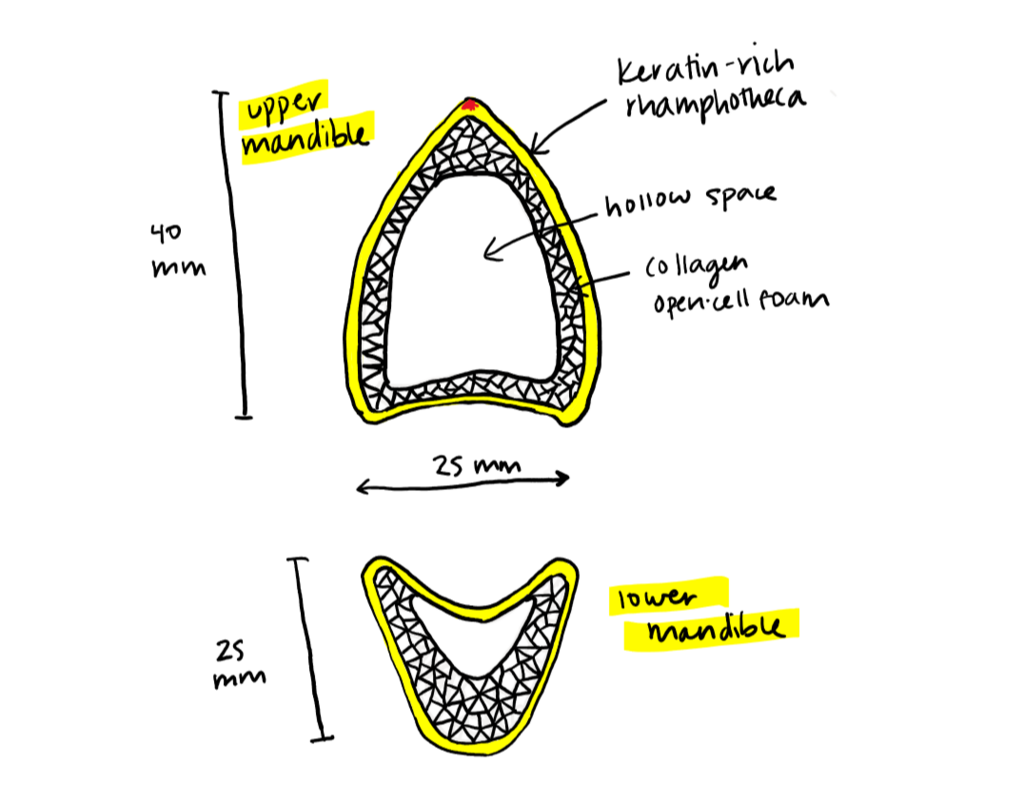
The toucan's large, colorful bill is more than just a tool for gathering fruit. It's a highly sophisticated thermal window, acting like a radiator to manage the bird's body temperature. This adaptation is crucial for survival in the fluctuating climates of the Neotropics. The bill's surface is underlaid with a dense network of blood vessels.
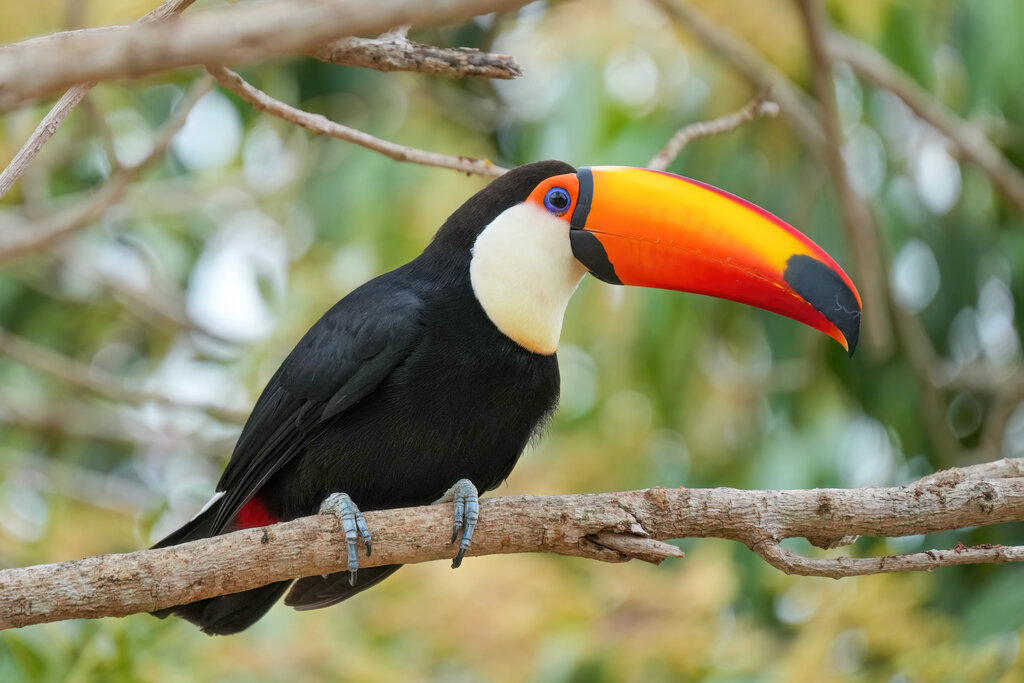
The key to this system is vasomotor adjustment, the process of altering blood flow to different parts of the body. By dilating the blood vessels in its bill, a toucan can send a rush of warm blood to the surface. Since the bill is uninsulated and has a large surface area, this blood quickly cools as heat radiates into the surrounding air. Conversely, by constricting these vessels, the bird can conserve body heat, keeping the warm blood circulating within its core. This allows the toucan to fine-tune its temperature with remarkable precision.
Beyond the Neutral Zone
All birds and mammals have a (TNZ), which is the range of ambient temperatures where they can maintain their core body temperature without expending extra energy. Within this zone, the body is comfortable. But when temperatures rise above the upper limit of the TNZ, the animal must actively cool itself to avoid overheating.
Many birds resort to metabolically costly methods like panting or gular fluttering, which is a rapid vibration of bones and muscles in the throat region to increase airflow. The toucan, however, has a more efficient solution. By simply increasing blood flow to its bill, it can dump a massive amount of heat. Studies using infrared thermal imaging show the bill lighting up as it radiates heat, sometimes accounting for up to 100% of the bird's total heat loss. This passive mechanism saves precious energy that would otherwise be spent on active cooling efforts.
Nature's Engineering
The toucan's bill isn't the only example of a "thermal window" in the animal kingdom. use their large, thin ears in a very similar way. A network of blood vessels close to the surface of their ears allows them to radiate excess heat, a vital adaptation for such massive animals living in hot climates. By flapping their ears, they can increase airflow over the surface and enhance the cooling effect.
Whether it's the bill of a toucan or the ears of an elephant, these structures demonstrate a powerful principle of bio-engineering: using a large, uninsulated surface area to efficiently exchange heat with the environment. This elegant solution allows these animals to thrive in conditions that would otherwise be metabolically taxing.
This ability to regulate heat so effectively showcases a remarkable adaptation, turning what might seem like an unwieldy appendage into a vital tool for survival.