Advanced Tax Strategies for High Earners
Tax Fundamentals
How the U.S. Tax System Works
In the United States, taxes are the primary way we fund public services, from roads and schools to national defense. The system is managed by the Internal Revenue Service (IRS) at the federal level, but state and local governments also collect taxes. Most people are familiar with income tax, but there are also sales taxes on goods, property taxes on homes, and more.
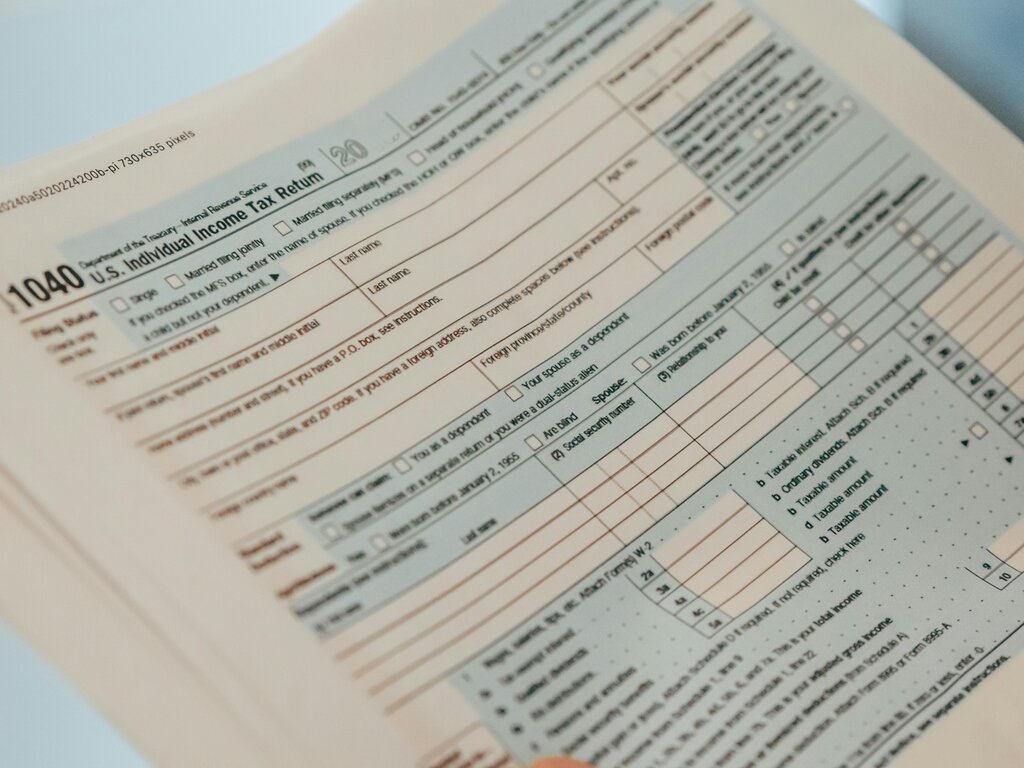
The federal income tax system is designed as a "pay-as-you-go" system. This means you pay taxes on your income as you earn it throughout the year, rather than all at once when you file your return. For most employees, this happens automatically through tax withholding from each paycheck. If you're self-employed or have other sources of income, you're typically required to make estimated tax payments quarterly.
Taxes are a pay-as-you-go arrangement in the United States.
Tax Brackets and Marginal Rates
The U.S. uses a progressive tax system, which means people with higher taxable incomes are subject to higher tax rates. This is structured through tax brackets. A tax bracket is a range of income taxed at a specific rate. Your "marginal tax rate" is the rate you pay on your highest dollar of income.
A common misconception is that if you move into a higher tax bracket, all of your income is taxed at that new, higher rate. This isn't true. Only the income within that higher bracket is taxed at the higher rate.
Let's look at a simplified example of tax brackets for a single filer.
| Tax Rate | Taxable Income Bracket |
|---|---|
| 10% | $0 to $11,000 |
| 12% | $11,001 to $44,725 |
| 22% | $44,726 to $95,375 |
| 24% | $95,376 to $182,100 |
Imagine you have a taxable income of $50,000. Here's how you'd calculate your tax liability:
- The first $11,000 is taxed at 10%:
- The next portion of your income, from $11,001 to $44,725, is taxed at 12%. This amounts to (44,725 - 11,000) = \33,725 33,725 \times 0.12 = \text{\textdollar}4,047$.
- The final portion, from $44,726 to $50,000, falls into the 22% bracket. This is (50,000 - 44,725) = \5,275 5,275 \times 0.22 = \text{\textdollar}1,160.50$.
Your total tax would be the sum of these amounts: .
What Income Is Taxed?
Not every dollar you earn is taxed. The IRS is interested in your taxable income, which is your gross income minus certain adjustments and deductions.
Your taxable income is the portion of your income subject to federal tax, and it’s important for several reasons.
The calculation generally flows like this:
Taxable income comes in a few different forms:
- Earned Income: This is money you make from working. It includes wages, salaries, tips, bonuses, and income from self-employment.
- Unearned Income: This is income you receive without direct work. Common examples include interest from savings accounts, dividends from stocks, and capital gains from selling assets.
- Other Income: This category includes things like rent you collect, royalties, and even gambling winnings.
Choosing Your Filing Status
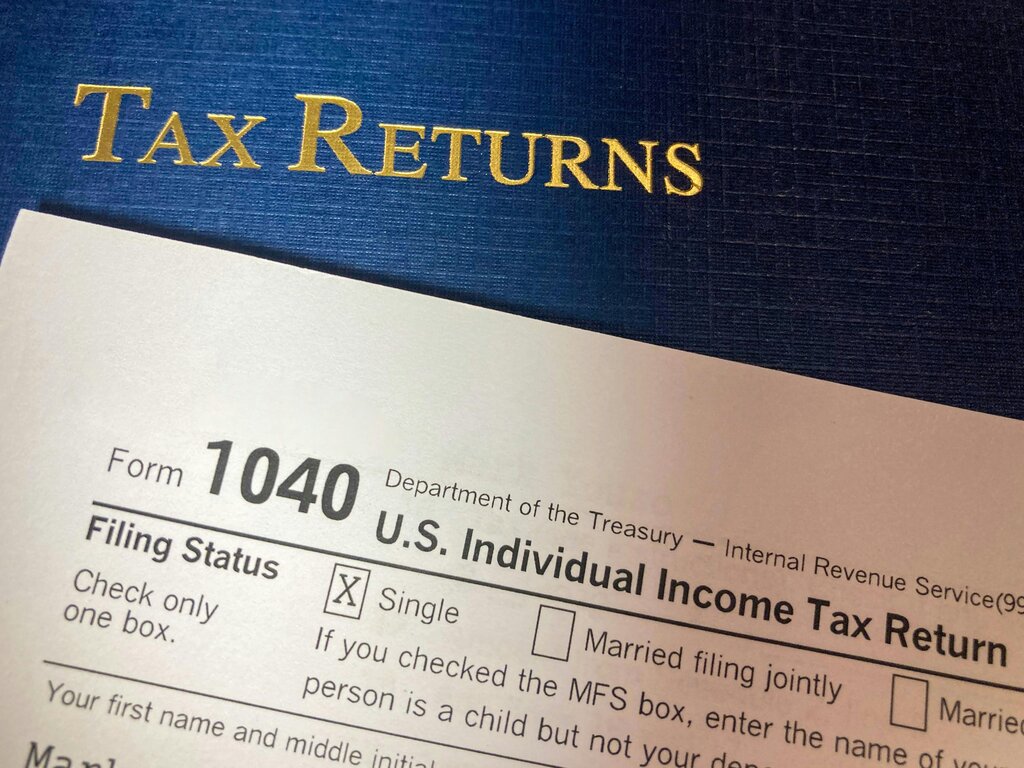
Your filing status is a crucial piece of information on your tax return. It determines your standard deduction amount, the tax brackets you use, and your eligibility for certain credits and deductions. There are five main filing statuses:
| Filing Status | Who It's For |
|---|---|
| Single | Unmarried individuals. |
| Married Filing Jointly | Married couples who want to file one return together. |
| Married Filing Separately | Married couples who choose to file their own individual returns. |
| Head of Household | Unmarried individuals who pay more than half the costs of keeping up a home for a qualifying person. |
| Qualifying Widow(er) | A surviving spouse with a dependent child. |
Choosing the right status is important. For example, the tax brackets for someone filing as Head of Household are wider than for a Single filer, meaning more of their income is taxed at lower rates. Similarly, the standard deduction for a Married Filing Jointly couple is exactly double that of a Single filer.
Now, let's test your understanding of these core concepts.
What is the primary purpose of taxes in the United States?
The U.S. federal income tax system is described as "progressive." What does this mean?
These are the building blocks of the U.S. tax system. Understanding them is the first step toward managing your finances effectively.