Advanced Swedish and Deep Tissue Integration
Integrated Flow Techniques
The Art of the Transition
You already know how to perform effleurage and petrissage. Now, let's elevate those strokes from simple warm-ups to sophisticated diagnostic tools. The initial passes over a client's back are not just for spreading oil; they are your first conversation with the tissue. As your hands glide, you are palpating, or feeling, for the landscape beneath the skin. Pay attention to temperature changes, areas of tightness, and subtle fibrous textures. This is where the art of integrated flow begins.
Your goal is to warm the to prepare the deeper musculature. Think of this layer as a continuous web that connects everything. By gently warming and stretching it with broad, flowing strokes, you're sending a signal to the deeper muscles that it's safe to relax. An abrupt transition to deep pressure can shock the nervous system, causing the very muscles you want to release to guard and tighten.
Effective deep tissue work doesn't start deep. It begins with a slow, intentional warm-up that respects the body's protective responses.
From Broad to Specific
The key to a seamless transition is graduated pressure. It's about slowly increasing your pressure over several passes, allowing the tissue to invite you in. This approach maintains —the body's 'rest and digest' state. When the nervous system is calm, muscle tissue is more pliable and receptive to change. A rushed or forceful approach triggers a sympathetic 'fight or flight' response, creating resistance.
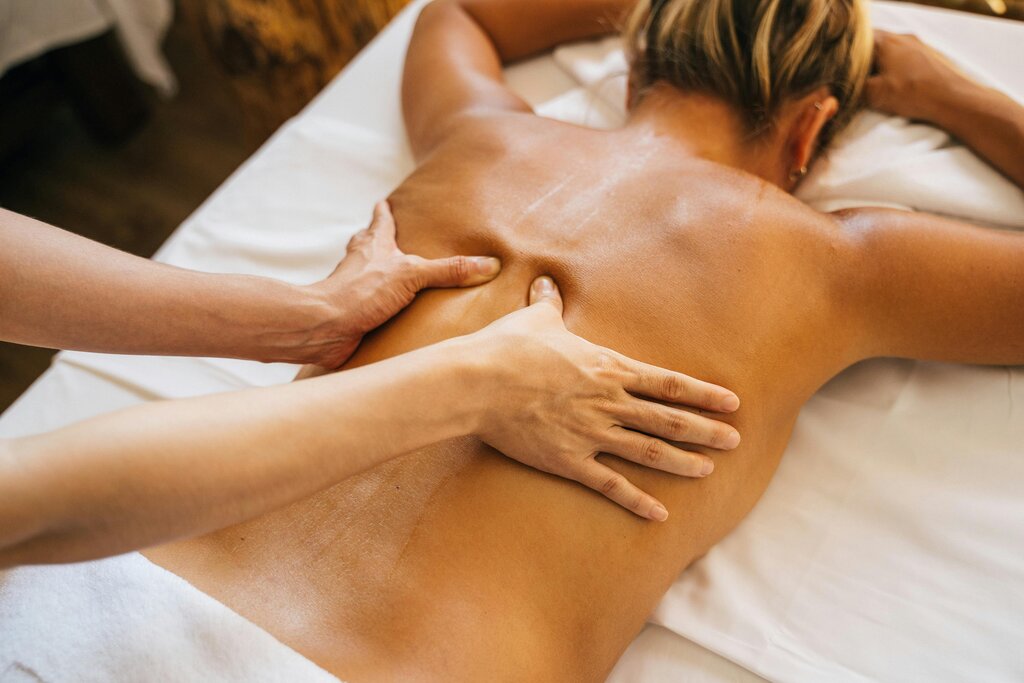
Let's apply this to a common transition: from the broad latissimus dorsi to the deeper erector spinae group. You might begin with a full, open-palmed effleurage covering the entire side of the back, from the iliac crest up to the shoulder. As you feel the tissue warm and soften, your hand position can change. You might shift to using your forearm for a broader, slightly deeper pressure on the 'lats.'
After a few passes, you'll notice the rope-like texture of the erector spinae muscles running parallel to the spine. Now, you can adapt your tool. Narrow your focus by using your thumbs or reinforced fingertips to slowly sink into the channels alongside the vertebrae. The pressure is more specific, but the rhythm and speed of your stroke remain consistent, ensuring the transition feels like a natural progression, not a sudden change in technique.
| Feature | Latissimus Dorsi (Initial Pass) | Erector Spinae (Focused Work) |
|---|---|---|
| Therapist's Tool | Open palm, forearm | Thumbs, reinforced fingers |
| Pressure Level | Light to medium | Medium to deep |
| Stroke Type | Broad, gliding effleurage | Specific, slow stripping |
| Primary Goal | Warm superficial fascia, palpate | Release deep tension, address specific trigger points |
Deep effleurage, or deep gliding, uses more pressure, stretching and broadening the muscle tissue and fascia.
By mastering this flow, you move beyond simply applying techniques. You begin to have a dynamic, responsive conversation with the client's body, creating a more effective and profound therapeutic experience.
Ready to test your understanding of these integrated concepts?
What is the primary purpose of the initial effleurage passes over a client's back?
Gradually increasing pressure is key to maintaining which state in the client's nervous system?
Practicing these transitions will make your sessions feel more fluid and intuitive, allowing you to address deeper issues while maintaining a state of profound relaxation for your client.