Advanced Structural Botany and Tissue Systems
Tissue System Architectures
The Plant's Architectural Plan
Just as a building is more than a pile of bricks, a plant is more than a collection of cells. Plant cells organize into tissues, which in turn form three large-scale systems: dermal, ground, and vascular. These systems are established early in development, arising from the actively dividing cells in apical meristems at the tips of roots and shoots. Each system has a distinct role, but they work together to create a functional, thriving organism.
The Dermal System
The dermal system is the plant's skin, its first line of defense against the outside world. This outermost layer, called the epidermis, protects against water loss, regulates gas exchange, and wards off pests and diseases. While most epidermal cells are flattened and tightly packed, this layer is far from uniform. It features several specializations.
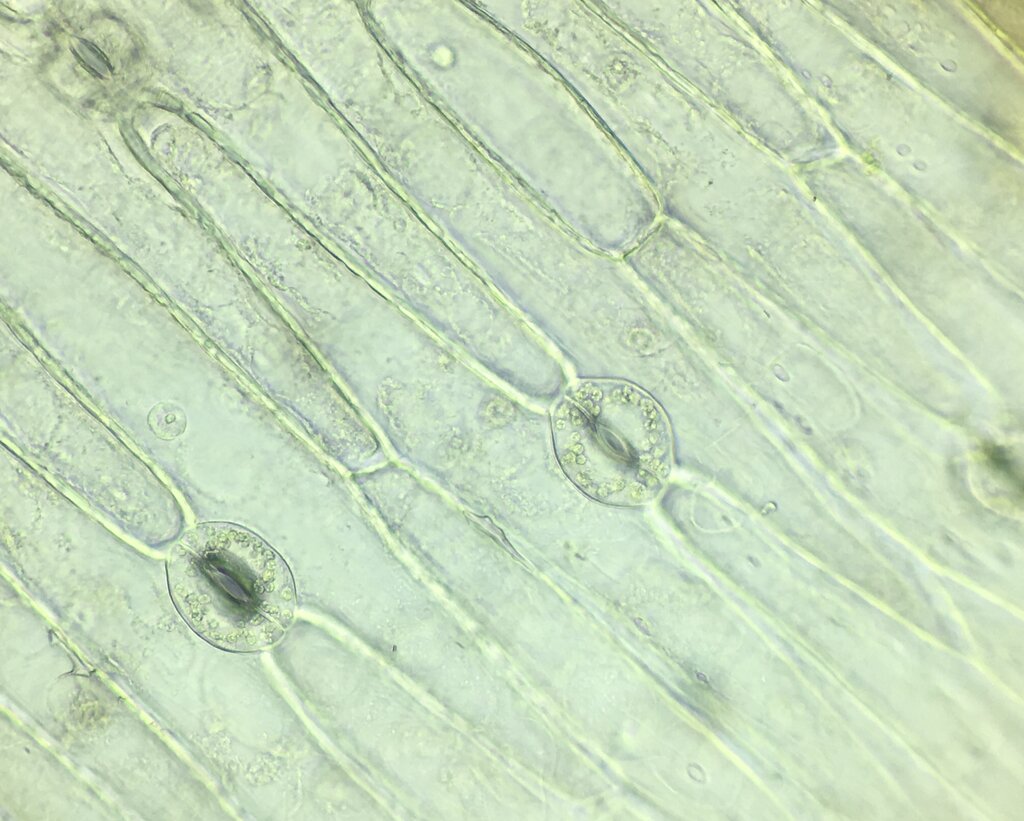
One of the most critical are the stomatal complexes. Each complex consists of a pore, called a stoma, flanked by two specialized guard cells. These guard cells can change shape to open or close the stoma, precisely controlling the exchange of carbon dioxide, oxygen, and water vapor with the atmosphere.
Another common specialization is the presence of trichomes, or leaf hairs. These outgrowths can serve many purposes. They can reflect excess sunlight, create a boundary layer of still air to reduce water loss, or secrete sticky or toxic substances to deter herbivores. In carnivorous plants like sundews, the trichomes are tipped with a sticky digestive fluid to trap and consume insects.
The Ground System
If the dermal system is the skin, the ground tissue system is everything else—the filler material that makes up the bulk of the plant body. It's not just passive filler, though. This is where most of the plant's metabolic work happens, from photosynthesis to food storage. The ground system is composed of three main cell types.
| Cell Type | Primary Wall | Key Function | Living at Maturity? |
|---|---|---|---|
| Parenchyma | Thin & flexible | Metabolism, storage | Yes |
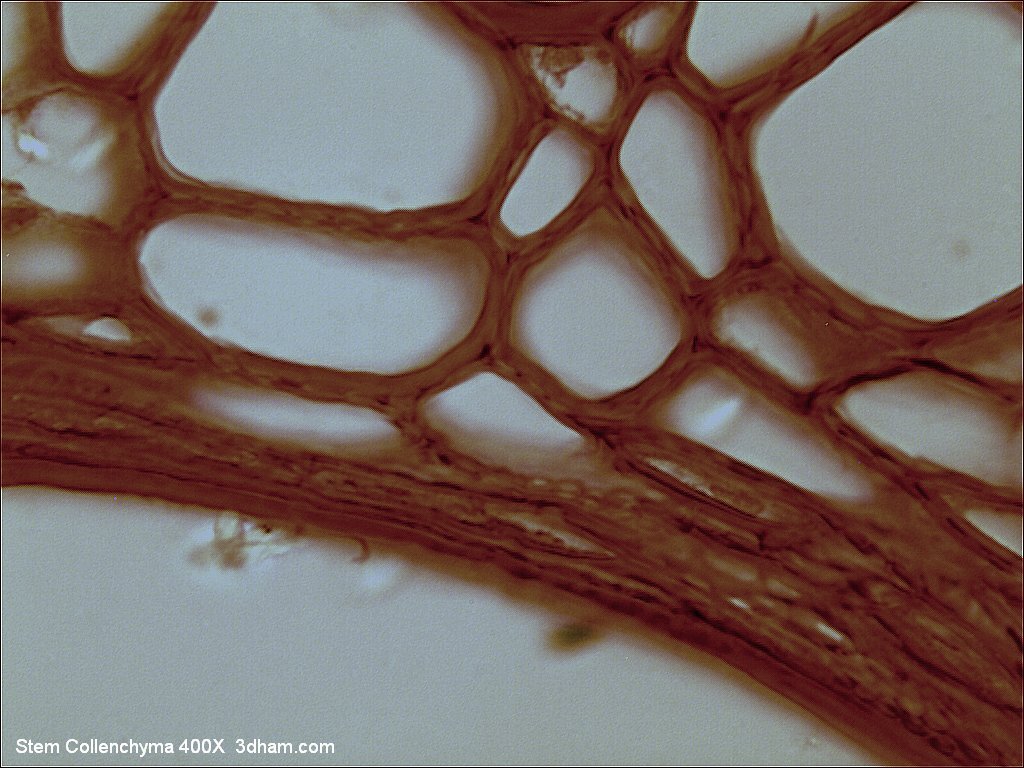
| Collenchyma | Unevenly thickened | Flexible support | Yes |
| Sclerenchyma | Thick & lignified | Rigid support | No |
Parenchyma cells are the most common and least specialized. They are living cells with thin walls, responsible for photosynthesis in leaves and storing starch in roots. Collenchyma cells provide flexible support for growing parts of the plant, like young stems and leaf stalks. Their primary walls are unevenly thickened, allowing them to stretch as the organ elongates. The satisfying crunch of a celery stalk is due to strands of collenchyma cells.
Sclerenchyma cells provide rigid, non-flexible support. They have thick secondary walls hardened with lignin, a complex polymer that makes wood strong. These cells are often dead at maturity, leaving behind their tough cell walls as a structural skeleton. They come in two forms: long, slender fibers (found in hemp and flax) and shorter, irregular sclereids, which give pears their gritty texture.
The Vascular System
The vascular system is the plant's circulatory and support network, a system of internal plumbing that transports vital substances throughout the plant. It consists of two primary tissues: xylem and phloem. These tissues are bundled together in vascular bundles, which run through the ground tissue.
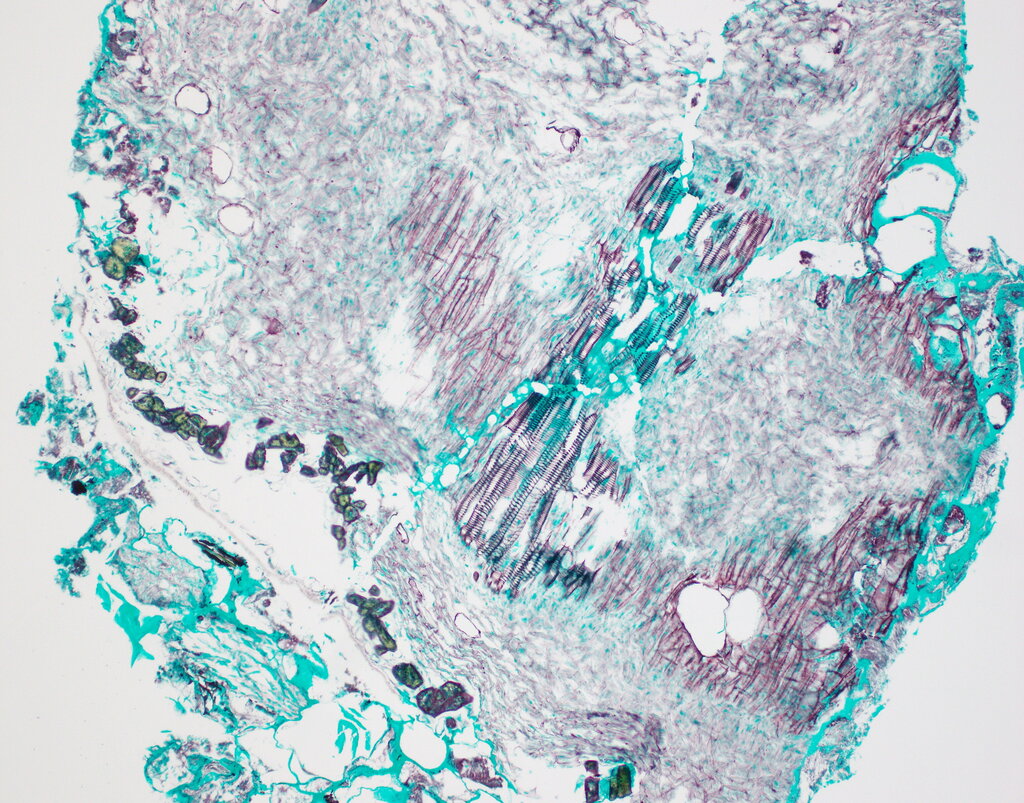
Primary xylem is responsible for transporting water and dissolved minerals from the roots up to the rest of the plant. It also provides significant structural support. The primary water-conducting cells are tracheids and vessel elements, which are hollow, dead cells that form continuous tubes.
Primary phloem transports the sugars produced during photosynthesis from the leaves to areas that need energy, such as growing tips, fruits, and roots. This transport is managed by , which are living but highly modified cells that form a conduit. They are assisted by adjacent companion cells, which manage their metabolic needs.
Together, these three tissue systems—dermal, ground, and vascular—form the fundamental architecture of the plant, allowing it to protect itself, perform metabolic functions, and transport resources efficiently.
Ready to test your knowledge on plant tissue systems?
What is the primary function of the dermal tissue system in plants?
The gritty texture you might notice when eating a pear is caused by which type of ground tissue cell?