Advanced Strategic Search Engine Optimization
Search Intent Mapping
Beyond the Keyword
You already know how to find keywords. The real challenge isn't finding them, it's understanding them. Modern SEO is less about hoarding terms with high search volume and more about deciphering the human intention behind each query. What does the user actually want to accomplish? Answering that question is the foundation of a strategy that doesn't just attract traffic, but traffic that converts.
This is where search intent mapping comes in. It’s the process of categorizing keywords based on the user's goal and aligning your content to meet that specific need. Instead of casting a wide, generic net, you create a precise pathway that guides a user from curiosity to conversion.
The Four Flavors of Intent
Nearly every search query falls into one of four main categories. Understanding these types is the first step to mapping them effectively.
| Intent Type | User's Goal | Common Keywords |
|---|---|---|
| Informational | To learn something. | how to, what is, benefits, tutorial, guide |
| Navigational | To find a specific website or page. | brand names, specific product names, "login" |
| Commercial | To research before making a purchase. | best, review, comparison, vs, top 10 |
| Transactional | To complete an action or purchase. | buy, price, coupon, for sale, discount |
A user searching "how to fix a leaky faucet" (informational) needs a helpful guide, not a product page. Someone searching "buy clawfoot bathtub" (transactional) is ready to make a purchase and wants to see options and prices. Giving them the wrong type of content is like answering a question they didn't ask. It's a missed opportunity, and Google's algorithm is smart enough to know it.
Mapping Intent to the Funnel
These intent types map directly to the classic marketing funnel. By aligning your keyword strategy with the user's journey, you can create content that nurtures them at every stage, from initial awareness to the final purchase.
Navigational intent is a bit different. It often applies to returning customers or users already familiar with your brand, so it can touch any part of the funnel. The key is to organize your keywords into groups that serve a common purpose. This is called , where you build a primary page (a "pillar") for a broad topic and support it with pages targeting more specific, related queries. For example, a pillar page on "Digital Marketing" could be supported by cluster pages on "SEO basics," "social media advertising costs," and "email marketing software reviews."
This approach transforms your website from a collection of disconnected articles into a structured library of expertise, making it a go-to resource for both users and search engines.
Decoding Google's Clues
How do you confirm a keyword's intent? Just ask Google. A is a direct reflection of what the algorithm believes users want. Analyzing its features is like getting a cheat sheet for your content strategy.
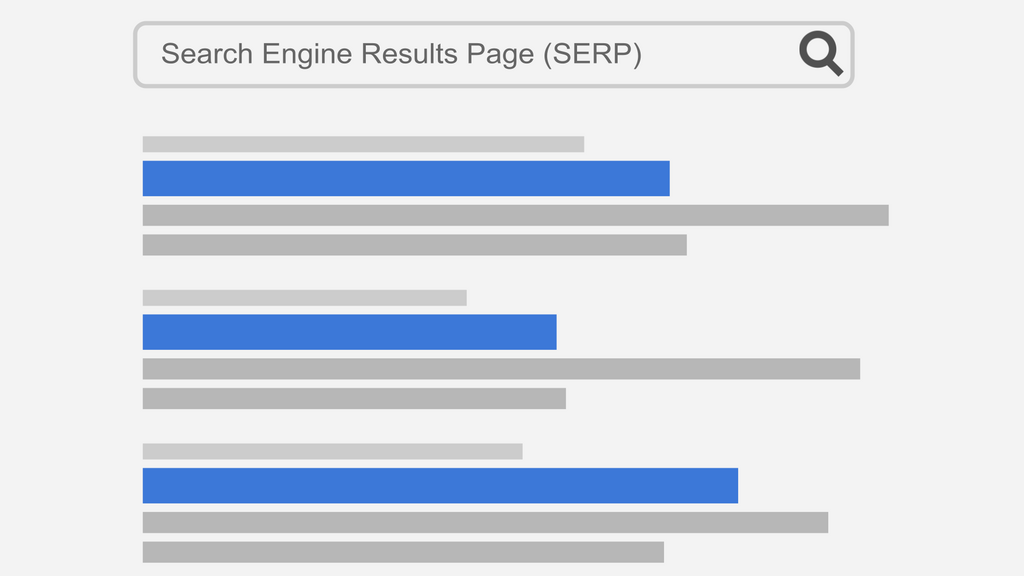
If you search for "how to bake sourdough" and see video carousels and step-by-step guides, the intent is clearly informational. The winning format is a tutorial. If you search for "best running shoes" and see product review listicles and shopping ads, the intent is commercial. The winning format is a comparison guide. Your job is to match the format that Google is already rewarding.
Finally, look at what your competitors are doing, and more importantly, what they aren't. Analyzing competitor keyword gaps shows you which high-intent, low-competition terms they're missing. If your top three competitors all rank for "transactional keyword A" but none of them are targeting "transactional keyword B," you've just found a golden opportunity to capture valuable, bottom-of-funnel traffic.
This is where the 3 Cs of search intent become your best writing ally:Content Type. Are people expecting a blog post, a product page, a landing page, or something else entirely?Content Format. What structure is winning the SERP? A how-to guide, a listicle, a side-by-side comparison?Content Angle. What perspective or hook is resonating most—beginner-friendly? Budget-conscious? Feature-rich? Fastest to implement?
With these concepts in mind, you're ready to test your knowledge.
According to the provided text, what is the primary focus of modern SEO?
A user searches for "how to tie a bow tie." What is the most likely search intent for this query?
By moving beyond simple volume metrics, you can build an SEO strategy that aligns perfectly with what your audience needs at every step of their journey.