Advanced Stock Market Investment Strategies
Portfolio Diversification
Beyond Owning More Stocks
You’ve probably heard the phrase, “Don’t put all your eggs in one basket.” In investing, this is the core idea behind diversification. But it’s not just about owning 50 different stocks instead of five. True diversification means owning different types of investments that behave differently in various market conditions.
Imagine one company has a bad quarter. If you only own that stock, your portfolio takes a big hit. If you own 20 different stocks, that one bad apple has less impact. But what if the entire stock market goes down? That's where owning different kinds of assets becomes crucial. The goal is to build a portfolio where some parts are likely to do well when others are struggling, smoothing out your overall returns.
Diversification is a fundamental way to manage risk by spreading investments across different asset classes, industries and regions.
Asset Allocation: Your Blueprint
The first step in diversification is asset allocation. This is how you decide to divide your investment money among major categories, or asset classes.
Asset Allocation
noun
The practice of dividing an investment portfolio among different asset categories, such as stocks, bonds, and cash. The process aims to balance risk and reward by apportioning assets according to an individual's goals, risk tolerance, and investment horizon.
The three main asset classes are:
- Stocks (Equities): These represent ownership in a company. They offer the highest potential for long-term growth but also come with the most volatility.
- Bonds (Fixed Income): This is like lending money to a government or corporation. In return, they pay you interest over a set period. Bonds are generally less risky than stocks and provide a steady income stream.
- Cash and Cash Equivalents: This includes things like money market funds. It’s the safest category but offers the lowest returns, often just enough to keep pace with inflation.
Your personal asset allocation depends on your financial goals, how much time you have, and how comfortable you are with risk. Someone nearing retirement might have a portfolio heavy on bonds for stability, while a young investor might lean more into stocks for growth.
| Risk Profile | Stocks | Bonds | Cash |
|---|---|---|---|
| Conservative | 20-40% | 50-70% | 10% |
| Moderate | 50-60% | 30-40% | 10% |
| Aggressive | 70-85% | 15-30% | 0-5% |
These are just examples. The key is to create a mix that works for you and then stick with it, rebalancing periodically to maintain your target allocation.
Layers of Diversification
Asset allocation is the foundation, but you can add more layers of protection by diversifying within each asset class.
Let's say your allocation calls for 60% stocks. You wouldn't just buy stock in one company or even one industry. That's where sector and geographic diversification come in.
Sector Diversification
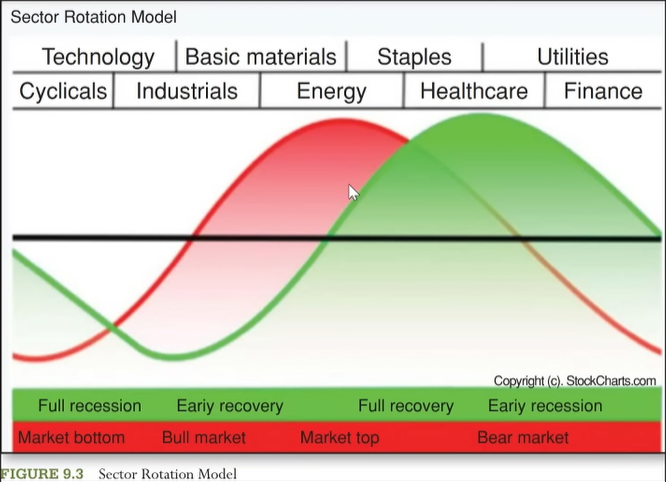
The stock market is made up of different sectors, such as technology, healthcare, energy, financials, and consumer goods. At any given time, some sectors will be performing well while others lag. For example, high oil prices might boost energy stocks but hurt transportation companies.
By spreading your stock investments across multiple sectors, you avoid being overexposed to a downturn in a single industry. Think of the dot-com bubble in the early 2000s; investors who were exclusively in tech stocks suffered massive losses, while those with diversified portfolios were better insulated.
Geographic Diversification
Just as different sectors perform differently, so do the economies of different countries. Investing internationally spreads your risk beyond your home country's economy and currency.
If the U.S. market is in a slump, markets in Europe or emerging economies in Asia might be growing. Holding international stocks or bonds can provide a buffer when your domestic investments are underperforming. This gives you a stake in global growth and protects you from localized economic or political risks.
Exploring Alternatives
To achieve even greater diversification, many investors look beyond traditional stocks and bonds to alternative investments. These assets have a low correlation with the stock market, meaning their prices don't necessarily move in the same direction.
Popular alternatives include:
- Real Estate: This can include direct ownership of property or investing in Real Estate Investment Trusts (REITs). Real estate can provide rental income and appreciation, and its performance isn't always tied to the stock market.
- Commodities: These are raw materials like gold, oil, and agricultural products. Gold, for example, is often seen as a “safe haven” asset that investors flock to during times of economic uncertainty, sometimes rising when stocks are falling.
- Private Equity: This involves investing in private companies that aren't listed on public stock exchanges. It's generally higher risk and less liquid, but can offer high returns.
Adding a small portion of these assets to a portfolio can provide an extra layer of diversification and potentially boost returns.
Ready to check your understanding of portfolio diversification?
What is the primary goal of diversification in an investment portfolio?
An investor who buys stocks from companies based in the U.S., Europe, and Asia is practicing which type of diversification?
By thoughtfully combining different asset classes, sectors, and regions, you can build a resilient portfolio that is better equipped to handle market ups and downs.