Advanced Soul Plan Clause Engineering
Psychological Frameworks for Personal Development
Building on Solid Ground
Psychological frameworks provide a map for human motivation. They help us understand what we need to thrive. By using these maps, you can write soul plan clauses that are not just aspirational but are also grounded in the realities of human nature. This ensures your plan supports your growth in a way that truly works.
One of the most famous models is Maslow's Hierarchy of Needs. It suggests that our needs are structured like a pyramid. We must satisfy the needs at the bottom before we can effectively pursue the needs at the top.
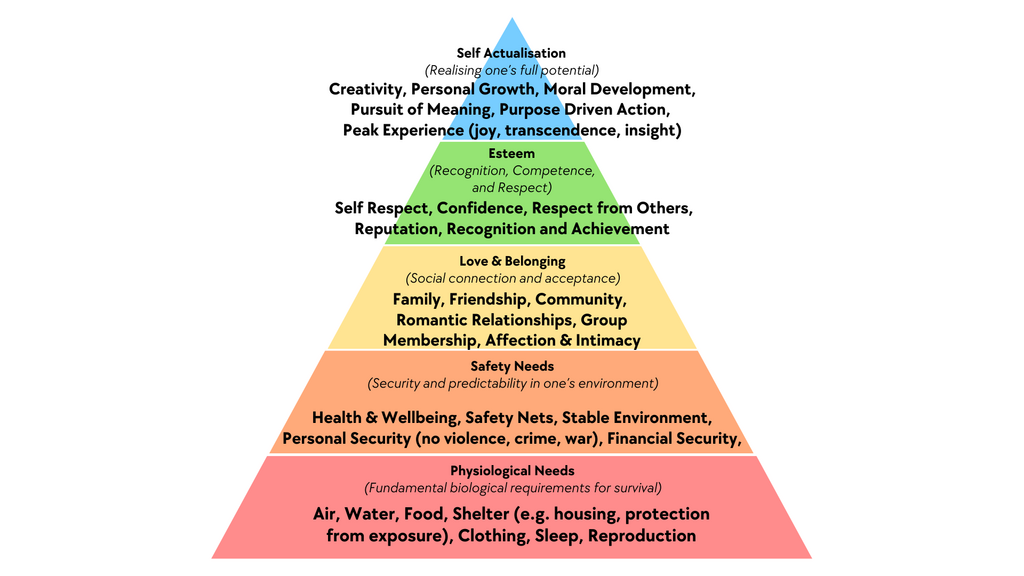
Here’s a breakdown of the levels:
- Physiological: These are your biological requirements for survival, like air, food, water, and sleep.
- Safety: This includes security of body, employment, resources, and health.
- Love and Belonging: This is the need for friendship, intimacy, and family.
- Esteem: This involves the need for respect, self-esteem, status, and recognition.
- Self-Actualization: This is the highest level—the desire to become the most that one can be.
When writing your soul plan, consider this hierarchy. A clause about achieving your creative potential (self-actualization) will be difficult to act on if you don't feel secure in your job (safety) or connected to your community (love and belonging). Your plan should address needs at all levels, creating a stable foundation for growth.
For example, a clause might be: "I will build a stable financial foundation (Safety) so I can freely pursue my artistic passions (Self-Actualization)."
The Three Core Drives
Another powerful framework is Self-Determination Theory (SDT). It proposes that all humans have three innate psychological needs. When these needs are met, we are more motivated, productive, and happy. Unlike Maslow's hierarchy, these are not sequential; all three are essential for well-being.
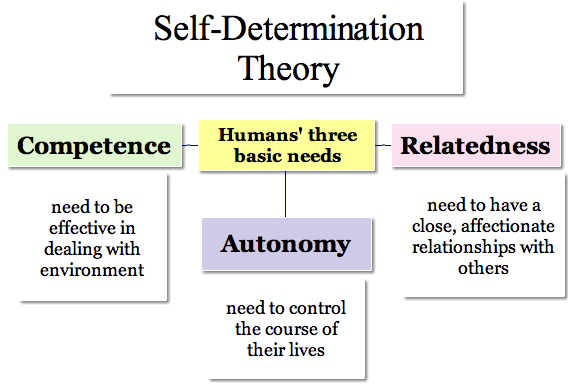
The three core needs are:
- Autonomy: The need to feel in control of your own behaviors and goals. It’s about having a sense of free will and choice.
- Competence: The need to feel effective and capable. It’s about mastering challenges and developing your skills.
- Relatedness: The need to feel connected to others. It’s about experiencing a sense of belonging and attachment to other people.
When you craft your soul plan clauses, check them against these three needs. Does a clause support your sense of choice? Does it help you build skills? Does it foster connection? Clauses that satisfy these needs are more likely to be intrinsically motivating, making them easier and more fulfilling to pursue.
Applying Theory to Practice
Using these frameworks helps you diagnose why you might be stuck and what you need to focus on. If you're feeling unmotivated, it might not be a lack of willpower. It could be an unmet need for safety, competence, or connection.
Let’s look at a practical example. Imagine a goal to "start a business." You can refine this goal into more effective soul plan clauses using these theories.
| Psychological Need | Clause Example |
|---|---|
| Autonomy (SDT) | "I will create a business plan that reflects my personal vision and values." |
| Competence (SDT) | "I will take a course on small business accounting to build my financial skills." |
| Relatedness (SDT) | "I will join a local entrepreneur group to connect with and learn from peers." |
| Esteem (Maslow) | "I will celebrate small wins and milestones to build my confidence as a founder." |
| Safety (Maslow) | "I will build six months of savings before leaving my current job to reduce financial risk." |
By grounding your personal development in these proven psychological principles, your soul plan becomes a powerful tool. It's not just a list of wishes, but a strategic guide for fulfilling your deepest human needs.
According to the provided text, what is a primary difference between Maslow's Hierarchy of Needs and Self-Determination Theory (SDT)?
A person decides to learn a new programming language to build a mobile app they've always dreamed of creating. Which core need from Self-Determination Theory is most directly being addressed by mastering this new skill?