Advanced Somatic Therapy Techniques
Advanced Somatic Therapy Techniques
Sensorimotor Psychotherapy
Sensorimotor Psychotherapy moves beyond just talking about past events. It focuses on the physical sensations and incomplete movements stuck in the body from trauma. The core idea is that traumatic experiences disrupt our ability to self-regulate and defend ourselves. These thwarted physical responses—like fighting back or running away—remain trapped in the nervous system as symptoms like tension, numbness, or collapse.
The therapy works in a phased approach. First, it establishes safety and helps the client develop somatic resources, such as grounding and centering. Then, it carefully accesses and processes the traumatic memory, not by retelling the story, but by focusing on the physical sensations, images, and movements that arise. The key is to help the client mindfully complete the self-protective actions they couldn't take at the time of the event. This completion creates a new, empowering physical memory that helps the nervous system resolve the trauma.

This approach is particularly effective for clients with complex trauma, attachment wounds, and dissociation, as it directly addresses the pre-verbal, body-level experiences that talk therapy often can't reach.
Exercise: Mindful Movement Completion. Notice a place of tension in your body. As you bring gentle awareness to it, see if a subtle impulse to move arises. It might be an urge to push, reach, turn away, or curl inward. Without judgment, slowly and mindfully allow your body to follow that impulse, exploring the movement on a small scale. Notice what happens to the tension as you complete the action.
Case Study: A client who experienced a car accident reported chronic shoulder tension. In therapy, they connected this tension to the memory of bracing for impact. The therapist guided them to mindfully recreate the bracing movement, but this time, to follow it with the action they wished they could have done: pushing the danger away. By physically completing this defensive response in a safe setting, the client's nervous system was able to release the stored trauma, and the shoulder tension significantly decreased.
EMDR and the Body
Eye Movement Desensitization and Reprocessing (EMDR) is a structured therapy that helps people heal from traumatic memories. It operates on the Adaptive Information Processing (AIP) model, which suggests that trauma can cause memories to be stored improperly in the brain, complete with the distressing emotions and physical sensations from the event. EMDR uses bilateral stimulation—typically eye movements, but also taps or sounds—to help the brain reprocess these memories, storing them in a way that no longer causes distress.
While often seen as a cognitive approach, EMDR is deeply somatic. During reprocessing, the therapist continually directs the client back to the physical sensations associated with the memory. The goal is not just to change the thought, but to clear the disturbance from the nervous system. A key part of the protocol is the "body scan," where the client checks for any lingering tension or discomfort after reprocessing a memory. The memory is considered fully processed only when the client can think about it without any physical activation.
Somatic practices like grounding, breathwork, and movement prepare the nervous system for EMDR and IFS, helping clients stay present while processing trauma.
Case Study: A veteran with PTSD experienced an intrusive memory of an explosion, which always came with a feeling of intense heat in his chest. During EMDR, the therapist used bilateral stimulation while the client focused on the memory. As the session progressed, the client reported the heat sensation lessened, transforming into a feeling of warmth, and then fading entirely. After processing, he could recall the event without the distressing physical sensation, feeling a sense of distance and peace.
Dance and Movement Therapy
Dance/Movement Therapy (DMT) is a psychotherapeutic approach that uses movement to promote emotional, social, cognitive, and physical integration. The core principle is that the mind and body are inseparable. Movement can be a form of communication, a way to express feelings that are too difficult for words, and a direct route to healing.
In a DMT session, the therapist might use techniques like mirroring, where they non-judgmentally reflect the client's movements to build rapport and empathy. They might also guide the client through movement explorations related to specific themes, such as boundaries, strength, or vulnerability. The focus isn't on technique or performance, but on the authentic expression that emerges from the body. It helps clients inhabit their bodies more fully, increase their range of emotional and physical expression, and find new ways of relating to themselves and others.
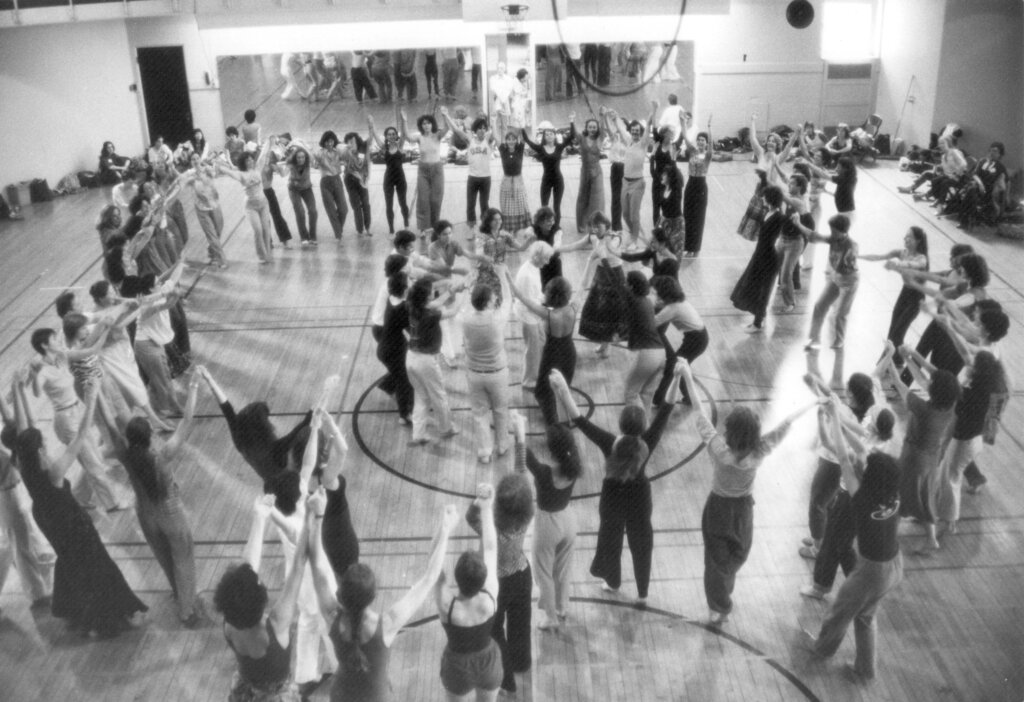
Exercise: The Shape of a Feeling. Think of a feeling you are currently experiencing or one you know well. Without overthinking, allow your body to take on the shape of that feeling. Hold the posture. Notice your breath, your muscle tension, and where you feel grounded. Now, explore what happens if you slowly begin to shift or change that shape. Does the feeling change with it?
Case Study: A person struggling with depression described feeling "stuck" and heavy. Their posture was collapsed, and their movements were small and constricted. The DMT therapist began by mirroring these small movements. Then, she gently introduced the idea of reaching, starting with just the fingers and gradually encouraging a fuller extension of the arms. Through this physical exploration of reaching, the client began to connect with a sense of hope and possibility that had felt inaccessible through words alone.
Ready to test your knowledge on these advanced techniques?
Sensorimotor Psychotherapy primarily focuses on resolving trauma by helping a client...
According to the Adaptive Information Processing (AIP) model used in EMDR, traumatic memories are improperly stored, leading to distress.