Advanced Social Engineering and Behavioral Dynamics
Introduction to Social Engineering
The Art of Hacking Humans
Most people think of cybersecurity as a battle between code and firewalls. But often, the weakest link isn't a piece of software. It's a person.
Social engineering is the practice of manipulating people to gain access to confidential information, systems, or physical locations. Instead of trying to break through digital defenses, attackers simply trick someone into opening the door for them. It's less about technical skill and more about understanding human psychology.
Instead of hacking and using technical tactics, social engineering attacks exploit human psychology to gain access to data, buildings, or systems.
These attacks prey on our natural tendencies to be helpful, to trust others, and to react quickly in stressful situations. By understanding these methods, we can start to see how attackers turn our own minds against us.
The Attacker's Playbook
Social engineers use a variety of proven tactics. While the specifics can change, most attacks are variations of a few core techniques. Let's look at the most common ones.
Phishing
noun
The fraudulent practice of sending deceptive communications that appear to come from a reputable source, usually to steal sensitive data like login credentials and credit card numbers.
Phishing is one of the most widespread forms of social engineering. Think of it like actual fishing. An attacker baits a hook (a deceptive email or text message) and casts it out to thousands of potential victims, hoping someone will bite.
The message often creates a sense of urgency or fear. It might claim your bank account has been compromised or that you've won a prize. The goal is to trick you into clicking a malicious link or opening a dangerous attachment.
Pretexting is a more targeted approach where the attacker invents a scenario, or pretext, to gain your trust. They build a credible story to trick you into giving them information.
For example, an attacker might call an employee pretending to be from the IT department. They'll say there's a network issue and they need the employee's password to fix it. Because the story sounds plausible, the employee might comply without a second thought.
Unlike phishing, which is often a wide net, pretexting is a carefully crafted story aimed at a specific individual or organization.
Finally, there's impersonation, which is a key element of many social engineering attacks. This is where an attacker pretends to be someone else. They might impersonate a senior executive to pressure a junior employee into making a wire transfer, a technique known as CEO fraud. Or they might pose as a delivery driver to gain physical access to a secure building.
The success of impersonation relies on the target's willingness to trust someone who appears to be in a position of authority or has a legitimate reason to be there.
Why These Tricks Work
Social engineering is effective because it exploits fundamental aspects of human nature. These aren't software bugs; they are features of our psychology that attackers have learned to manipulate.
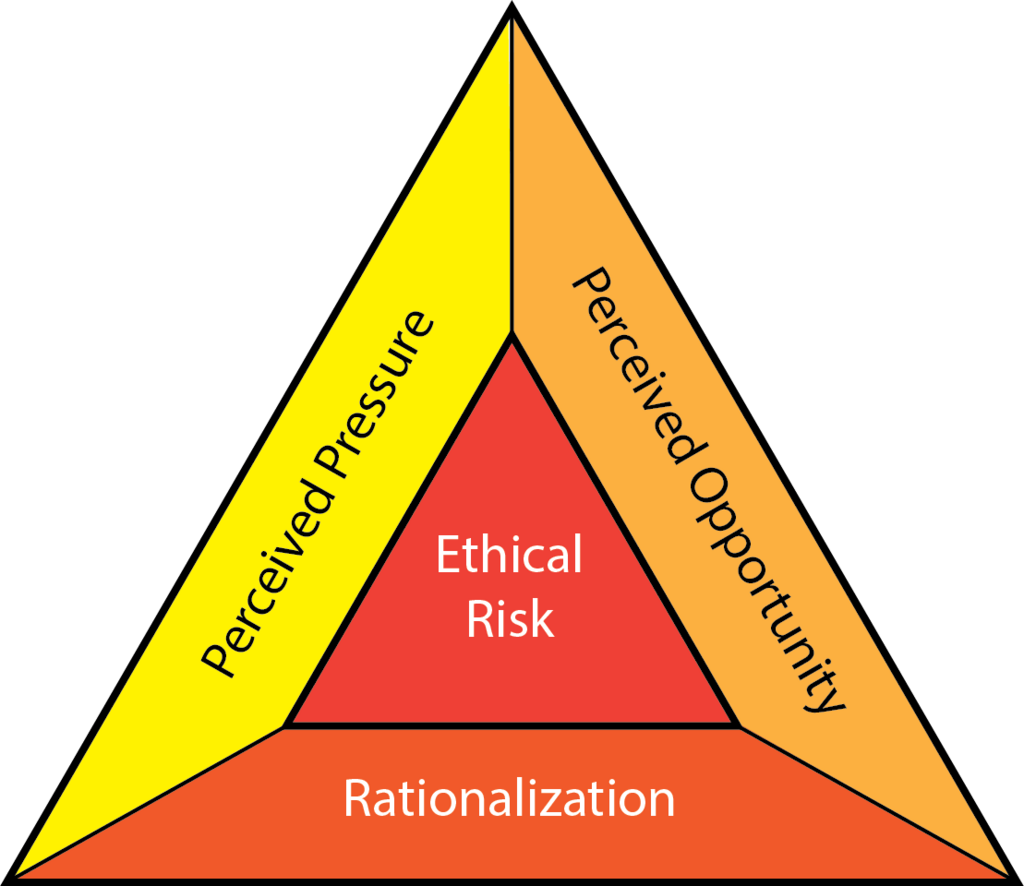
One of the main principles at play is trust. We are naturally inclined to trust others, especially if they appear credible. An email with a company logo, a caller with a confident tone, or a website that looks professional can all create a false sense of security. Attackers spend time crafting their disguises to look as legitimate as possible.
Another powerful tool is authority. People are conditioned to respect and obey authority figures. An urgent email that appears to be from a CEO or a law enforcement agency can make someone act without questioning the request. The attacker is banking on the idea that you'd rather comply than risk the consequences of refusing someone important.
Finally, attackers create a false sense of urgency. They try to rush you into making a decision before you have time to think it through. Messages that scream "URGENT ACTION REQUIRED" or "Your account will be suspended in 24 hours" are designed to trigger panic. When we're stressed, our critical thinking skills decline, making us more likely to make a mistake.
Social engineering is best described as the practice of...
You receive an email with the subject line 'URGENT: Your Account Is Suspended!' that asks you to click a link to verify your information. This is a classic example of what kind of attack?
Recognizing the psychological hooks is the first step toward not getting caught by them.