Advanced Self-Discovery
Foundations of Self-Awareness
The Foundation of Growth
Self-awareness is the ability to see yourself clearly and objectively through reflection and introspection. It’s not about being self-critical, but about being curious. Think of it as having an honest, internal mirror. You look into it to understand your own character, feelings, motives, and desires.
Without this foundation, personal growth is difficult. If you don't know where you're starting from, you can't map out a route to where you want to go. Understanding why you do what you do is the first step toward building better habits, making smarter choices, and improving your relationships.
Self-awareness is the cornerstone of self-improvement.
Two Sides of the Coin
Self-awareness isn't a single skill. It's made up of two distinct, yet connected, types: internal and external.
| Type | Focus | Key Question |
|---|---|---|
| Internal Self-Awareness | Understanding your inner world: values, passions, emotions, and thoughts. | "Why do I feel this way?" |
| External Self-Awareness | Understanding how other people see you. | "How am I coming across to others?" |
Internal self-awareness gives you clarity about your personal identity. It helps you understand what makes you happy, stressed, or motivated. External self-awareness helps you build empathy and better relationships by showing you your impact on the people around you. You need both for a complete picture. Knowing your values (internal) helps you act with integrity, while understanding how others perceive your actions (external) helps you communicate more effectively.
The Payoffs of Paying Attention
Cultivating self-awareness pays dividends in almost every area of life. When you understand your emotions, you're less likely to be controlled by them. Instead of reacting impulsively to a feeling of anger, you can pause, recognize the emotion, and choose a more constructive response. This is emotional regulation in action.
Decision-making also becomes sharper. With a clear sense of your values and goals, you can weigh options more effectively. You're able to ask, "Does this choice align with who I am and what I want?" This clarity helps you cut through the noise and make decisions that are right for you, not just easy in the moment.
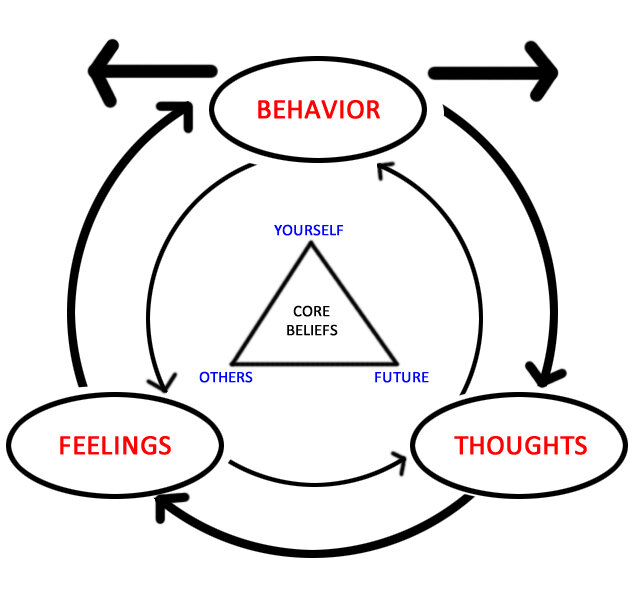
These benefits don't happen by accident. They come from practicing simple introspective techniques that help you turn your focus inward.
Simple Ways to Look Inward
Introspection is the examination of one's own conscious thoughts and feelings. It sounds complex, but the tools for it are quite simple. Two of the most effective starting points are mindfulness and journaling.
Mindfulness is the practice of paying attention to the present moment on purpose, without judgment. You can practice this anywhere. For just one minute, try focusing only on the sensation of your breath moving in and out. When your mind wanders, gently guide it back. That’s it. This simple act trains your brain to observe your thoughts without getting tangled up in them.
Reflective journaling is another powerful tool. It's not about documenting every event of your day. It's about exploring your thoughts and feelings on paper to gain clarity. You can start with simple prompts.
Try asking yourself:
- What was one thing that drained my energy today, and why?
- When did I feel most like myself today?
Writing down your answers can reveal patterns and insights you wouldn't notice otherwise. Both mindfulness and journaling are skills that get stronger with practice, slowly building your capacity for self-awareness.
What is the primary goal of self-awareness?
A manager notices their team seems hesitant to share ideas during meetings. After some reflection, the manager realizes their habit of immediately pointing out flaws in suggestions might be discouraging the team. This realization is an example of:
These foundational practices are the beginning of a deeper journey into self-understanding.